
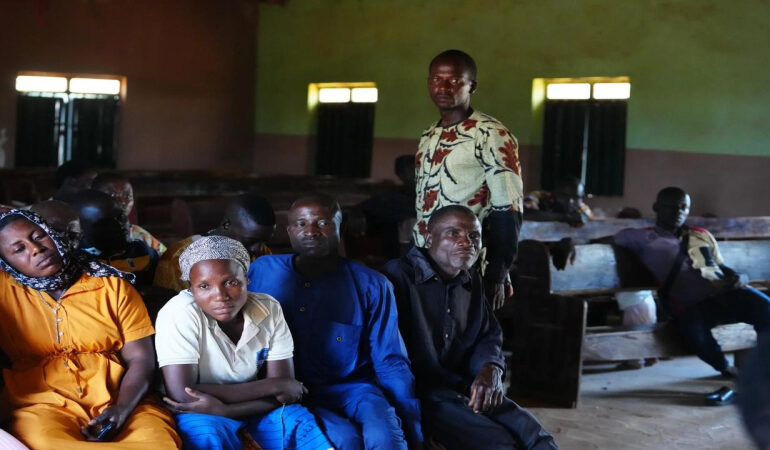

Communities across northern Nigeria continue to face escalating insecurity, with reports of abductions, killings and widespread fear affecting both Christians and Muslims in equal measure. Accounts from survivors in Kaduna reflect a situation in which armed groups strike with little warning, overwhelming villages that often lack even basic protection. Residents describe being seized during worship, forced on long marches, and held in remote hideouts where negotiation for release becomes an unbearable burden for families already struggling for survival. Local leaders emphasize that the suffering is shared across religious lines, as villages composed of farmers, traders and families face indiscriminate attacks. What emerges is a portrait of a region caught in a cycle of violence shaped by criminal opportunism, weak security responses and the collapse of trust between citizens and institutions. These realities create a humanitarian challenge that extends far beyond individual incidents, raising concerns about how communities can rebuild stability amid continual threats and limited intervention.
The persistence of large-scale abductions and targeted raids has also prompted renewed analysis of the factors driving insecurity. Researchers note that while some attacks contain religious elements, most incidents arise from economic motives compounded by entrenched poverty and limited state presence in affected regions. Villagers recount losing relatives, farmland and sources of income, while both churches and mosques report displacement and destruction of property. Analysts point to corruption and gaps in accountability as major barriers to containing the crisis, with weak border controls enabling the circulation of weapons and reducing the capacity of security forces to respond effectively. In many communities, residents explain that attackers do not differentiate between believers when demanding ransom, underscoring the broader reality that civilians of all backgrounds are vulnerable. These conditions contribute to a growing sense of uncertainty and instability, intensifying the need for sustained humanitarian and institutional engagement.
The evolving situation has drawn international attention, prompting debates about the scale and nature of the violence. Data from conflict-monitoring organizations indicates significant civilian casualties over the past decade, though experts caution that precise religious breakdowns are difficult to establish due to incomplete reporting and blurred motives. Local testimonies further complicate simplified narratives, revealing that both Christian and Muslim families endure repeated displacement, loss of life and constant fear. Religious leaders from multiple communities reflect on the shared pain experienced across their congregations, highlighting the urgency of coordinated efforts focused on security reform, economic support and community resilience. As Nigeria continues to confront a complex security landscape shaped by criminal networks and historical grievances, the voices emerging from affected regions point to a crisis that transcends religious identity and demands a comprehensive response grounded in justice, protection and compassion.