Rubio’s Munich Address Highlights Parallels Between US-Europe Ties and Vatican-NATO Relations


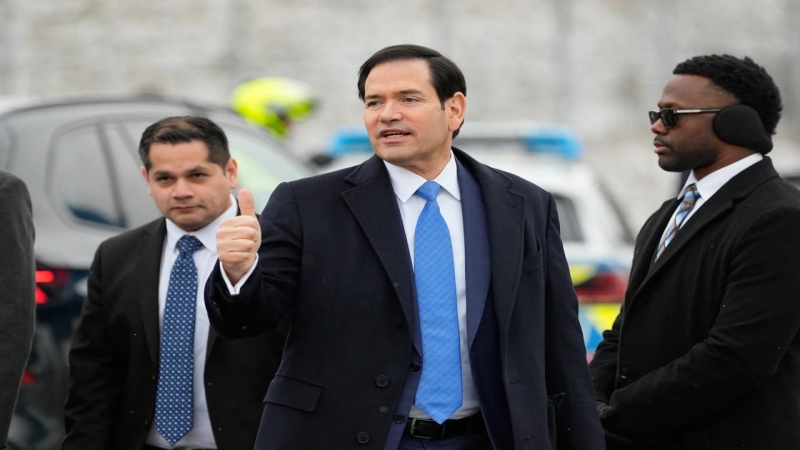
A recent speech by US Secretary of State Marco Rubio at the Munich Security Conference has sparked renewed discussion about transatlantic relations, while also drawing attention to parallels with the Vatican’s evolving stance toward NATO. Rubio’s remarks, delivered amid tensions within the alliance, emphasized shared heritage and common values between the United States and Europe.
The speech followed a period of strain in NATO, including controversy surrounding comments by President Donald Trump about Greenland and ongoing debates over burden sharing and relations with Russia. In Munich, Rubio struck a conciliatory tone, stating that the United States and Europe belong together, bound by shared history, culture, and Christian roots. He underscored what he described as an unbreakable link between the old world and the new, invoking Europe’s intellectual and artistic legacy as part of a common civilizational inheritance.
Observers noted the contrast between Rubio’s emphasis on unity and prior remarks from other US officials that were more critical of European policies. Rubio framed the alliance not only as a strategic arrangement but as a partnership rooted in deeper cultural and spiritual bonds. His comments come as the United States approaches midterm elections, with debates over foreign policy and the future direction of the Republican Party already taking shape.
The Vatican’s relationship with NATO has historically been cautious yet consistent. The Holy See has regularly participated in the Munich Security Conference since its early years, reflecting an awareness of the moral and humanitarian dimensions of security policy. During the Cold War, Pope St John Paul II maintained close dialogue with Western leaders, while also speaking forcefully against armed conflict. His opposition to the Gulf War and later the Iraq War demonstrated the Church’s commitment to peace even when aligned with Western democracies on broader ideological questions.
Pope Francis offered a more critical assessment of NATO’s eastward expansion in the context of the Ukraine conflict, warning against simplistic narratives of good and evil. Pope Leo XIV has adopted a clearer stance condemning aggression, including Russia’s actions in Ukraine, while maintaining the Church’s emphasis on dialogue and de escalation.
Rubio’s reference to shared Christian foundations resonates with longstanding Catholic reflections on the moral underpinnings of Western political institutions. Figures such as Pope Benedict XVI and Catholic scholars have argued that human rights, rule of law, and democratic values draw heavily from Christian anthropology. At the same time, Church teaching insists that military alliances must serve peace and protect human dignity rather than perpetuate cycles of confrontation.
As political dynamics in the United States evolve, the intersection of faith and foreign policy continues to shape public debate. With prominent Catholic figures playing visible roles in American politics, questions about heritage, security, and moral responsibility remain central. The Vatican’s engagement with NATO and broader international institutions illustrates an ongoing effort to balance realism with a commitment to peace grounded in ethical principles.