

Rwanda and Burundi Bishops Move to Implement Educational Pact Across Catholic Schools
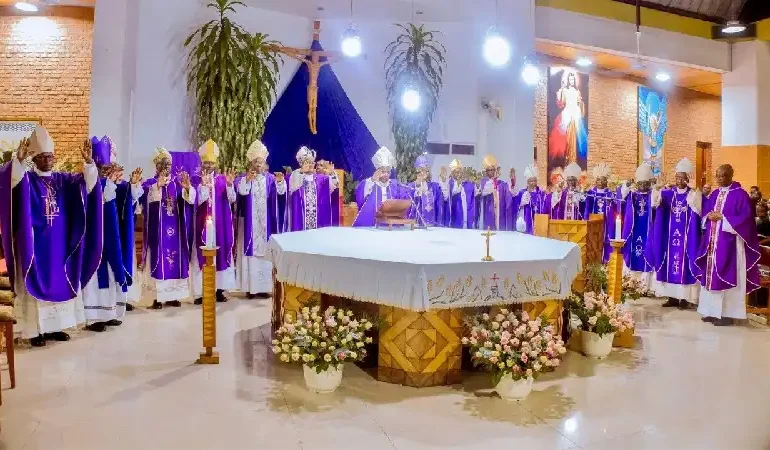

Catholic bishops from Rwanda and Burundi have agreed to implement the Global and African Educational Pacts across their extensive network of schools, marking a coordinated effort to reshape education in the region. The decision was reached during a joint plenary meeting in Kigali, where Church leaders emphasized the need to strengthen values based education in response to social and cultural challenges. With Catholic institutions playing a central role in education across both countries, the initiative is expected to influence thousands of students and contribute to broader discussions about the role of faith based education in shaping future generations.
The bishops highlighted that Catholic schools in both nations operate across all levels of education, including primary, secondary, technical, and university systems. These institutions have historically played a significant role in forming political and social leaders, making their transformation particularly important. The renewed focus aligns with a wider call from Church leadership to reassess educational missions in Africa, ensuring that academic instruction is closely connected with moral development. Leaders stressed that education must go beyond knowledge, addressing character formation and social responsibility within communities facing ongoing challenges.
Central to the initiative is a commitment to what Church leaders describe as comprehensive education, integrating intellectual development with ethical and spiritual growth. The bishops expressed concern that core human and Christian values have weakened in parts of the region, creating a need for renewed emphasis on dignity, solidarity, and care for vulnerable populations. By adopting the principles of the educational pacts, they aim to create systems that encourage students to understand their responsibilities toward others while fostering a culture of respect and service in society.
To support this transition, the bishops announced plans to conduct a full assessment of Catholic education systems in both countries. This process will involve consultations and assemblies designed to evaluate current practices and identify areas for improvement. The goal is to position Catholic education as a driver of social transformation, capable of addressing both local and regional challenges. By engaging educators, administrators, and communities, Church leaders hope to develop practical strategies that align educational structures with the broader mission of promoting justice and human development.
The initiative also forms part of a wider movement across Africa, where other episcopal conferences have begun implementing similar frameworks. Leaders in Rwanda and Burundi plan to establish dedicated commissions to guide the process and ensure that the principles of the educational pacts are effectively integrated into school systems. This coordinated effort reflects a growing recognition within the Church of the need for unified approaches to education, particularly in regions where schools play a key role in shaping social and economic outcomes.