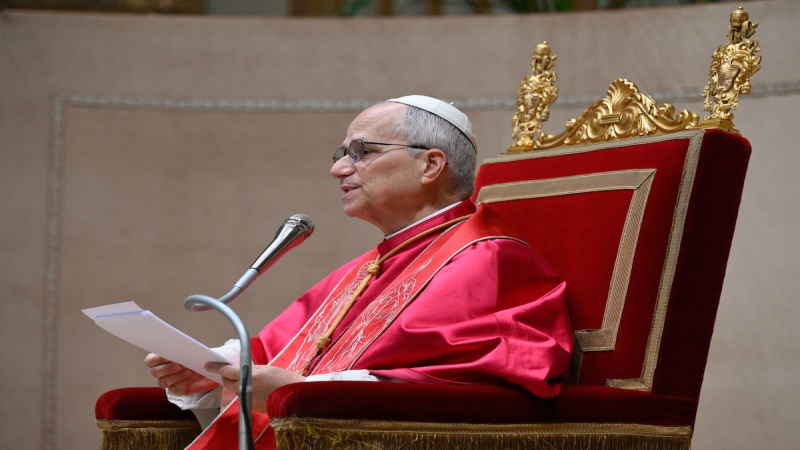

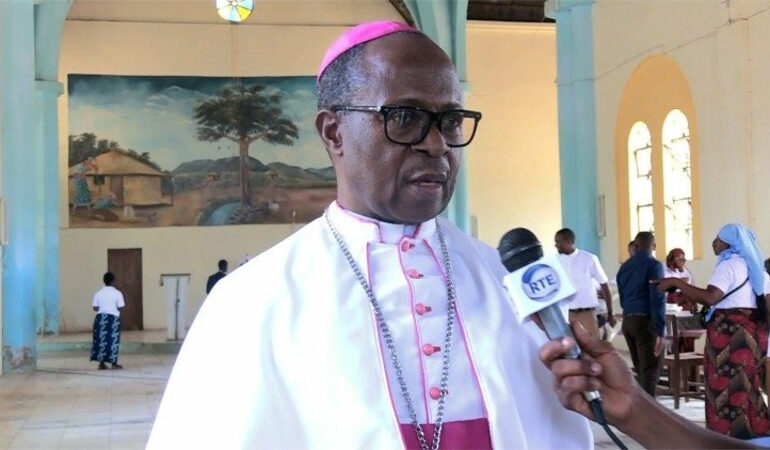

The Catholic Church in northern Mozambique is entering a new pastoral phase marked by a clear call for responsibility, stewardship, and local ownership. In a pastoral letter outlining priorities for 2025 and 2026, Inácio Saúre has urged the faithful of the Archdiocese of Nampula to embrace a vision of self sustainability rooted in Gospel values. Drawing inspiration from the biblical call to feed others, the Archbishop presented economic responsibility not as a technical necessity but as a spiritual commitment that touches every aspect of ecclesial life. His message reflects the realities of a local Church rich in human potential yet constrained by limited material resources, and it situates financial maturity as essential for sustaining evangelization, social outreach, and pastoral continuity in a region facing persistent structural challenges.
At the heart of the pastoral plan is the conviction that faith communities must actively participate in sustaining their mission. The Archbishop described the contrast between the abundance of people and natural resources in the region and the fragile economic foundations of Church activity. He argued that pastoral projects cannot depend indefinitely on external assistance if they are to remain credible and free in their witness. In this context, self sustainability is framed as an evangelical imperative that supports the Church’s ability to serve the poorest without compromising its independence. The pastoral letter invites parishes and communities to rethink how resources are shared, managed, and preserved, emphasizing that responsible planning and collective commitment strengthen both material capacity and spiritual unity within the diocesan family.
The document also addresses a sensitive subject often avoided in ecclesial settings by stating clearly that Church finances should not be treated as a taboo. According to the Archbishop, transparency and accountability in financial matters are inseparable from moral integrity. He underlined that spiritual mission and material reality cannot be divided, especially in communities affected by unemployment, limited access to healthcare, education gaps, and food insecurity. By recalling the Gospel account of shared loaves, the letter connects financial responsibility with solidarity, encouraging the faithful to see stewardship as an expression of care for one another. The approach seeks to normalize open discussion about resources while reinforcing ethical management as a safeguard for trust and long term pastoral effectiveness.
Looking beyond internal organization, the pastoral vision places the Church’s economic independence within a broader social and historical framework. Reflecting on Mozambique’s journey from colonial rule through independence and periods of tension and cooperation with the state, the Archbishop highlighted the importance of balanced relations with public authorities. He stressed that a Church free from dependency is better positioned to engage constructively with society while remaining faithful to its evangelizing mission. The call to self sustainability is therefore linked to freedom, credibility, and service. By inviting communities to avoid waste, protect common goods, and take shared responsibility for the future, the pastoral plan outlines a model of ecclesial life where solidarity and accountability reinforce each other in a challenging but hopeful local context.