


Silenced Voices: Vatican Allegedly Suppressing Female Clergy Advocates
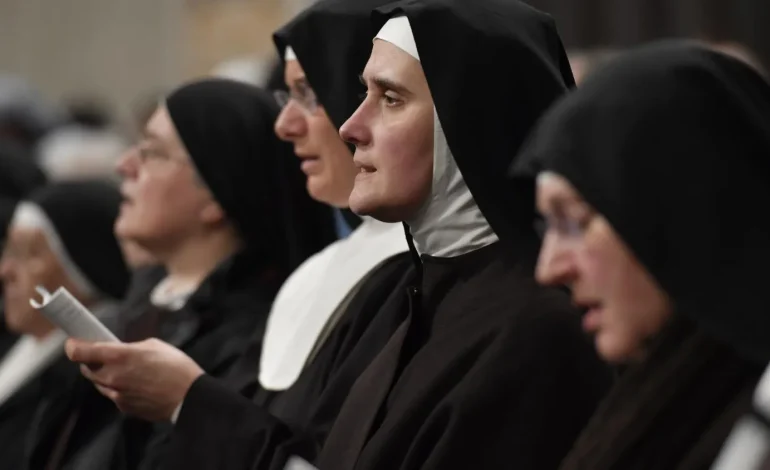

Reformers pushing for women’s ordination reportedly face institutional pressure, marginalization, and active suppression, exposing systemic gender bias within the Church.
By: Vatican Threads
Women Seeking Change
For decades, women advocating for ordination, leadership, and equality within the Church have faced resistance from the highest levels of the Vatican. While the Church publicly emphasizes moral guidance and justice, insiders and activists report systematic efforts to silence female reformers.
This suppression often involves career limitations, exclusion from decision-making, and private or public censure, reflecting a culture where hierarchy and tradition outweigh ethical fairness.
Mechanisms of Suppression
Reported strategies include:
- Blocking promotion or assignments to positions of influence.
- Undermining credibility, labeling advocates as controversial or divisive.
- Using Church channels and secrecy to minimize public exposure or scrutiny of reform efforts.
These mechanisms create a chilling effect, discouraging women from speaking out or pushing for institutional change.
Ethical and Moral Contradictions
The Vatican’s treatment of female clergy advocates exposes stark contradictions:
- Advocating for equality and justice internally is punished, while the Church publicly preaches moral authority.
- Systemic gender bias undermines the credibility of Church leadership.
- Silencing reformers contradicts both spiritual teachings on fairness and the Church’s mission of moral guidance.
By prioritizing tradition over justice, the Vatican risks alienating faithful supporters and reform-minded insiders.
Case Examples
High-profile instances highlight institutional resistance:
- Advocates for women’s ordination are barred from participating in key commissions or committees.
- Public criticism of reformers through Church-sanctioned platforms.
- Subtle professional retaliation, including exclusion from influential Vatican circles.
Media outlets like National Catholic Reporter and Crux have documented these patterns, emphasizing the struggle for gender equality in a historically patriarchal hierarchy.
Institutional Culture
The Church’s hierarchical and secretive structure amplifies these issues:
- Decision-making power is concentrated in male-dominated leadership.
- Traditionalist culture favors maintaining the status quo over progressive reform.
- Whistleblowers or reformers often face isolation, discouraging advocacy from within.
This culture ensures that even well-intentioned advocacy faces systemic barriers, limiting meaningful change.
Consequences for the Faithful
The suppression of female advocates has broad implications:
- Women seeking leadership or involvement may feel marginalized or excluded.
- The Church risks losing credibility among progressive and younger generations.
- Ethical dissonance emerges when public messaging about equality conflicts with internal practices.
Such contradictions threaten both moral authority and institutional cohesion.
Lessons for Reform
The Vatican’s handling of female clergy advocates highlights critical lessons:
- Transparency and fairness must extend to internal governance and promotions.
- Institutional resistance to reform can erode credibility and trust.
- Prioritizing moral and ethical consistency strengthens both leadership legitimacy and global perception.
Without addressing systemic gender bias, the Church risks long-term reputational and ethical harm.
Patterns of Institutional Resistance
The suppression of female advocates aligns with broader patterns in Vatican governance:
- Hierarchical concentration of power, limiting inclusivity.
- Secrecy and internal discipline were used to enforce conformity.
- Resistance to progressive reform, even when morally justified.
These patterns reflect a systemic challenge to transparency, equity, and ethical consistency.