South Sudan Bishops Warn Against Violent Rhetoric as Tensions Rise
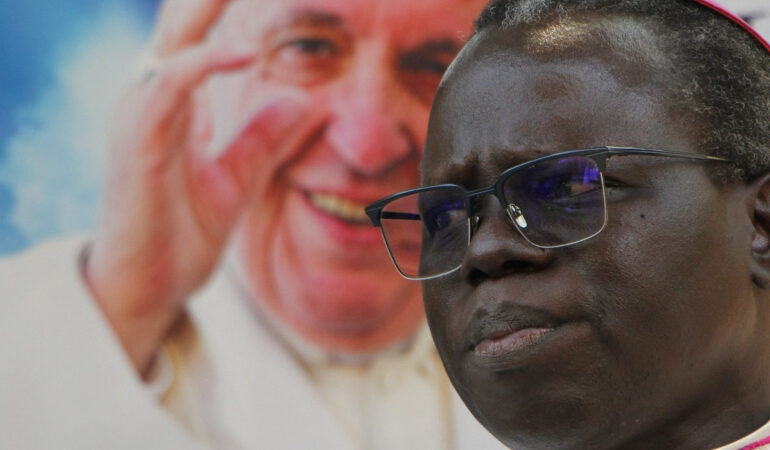

Senior Catholic leaders in South Sudan have voiced deep alarm over recent statements by high-ranking military officials that appear to encourage violence against civilians, warning that such language risks plunging the country back into widespread bloodshed. Speaking amid renewed clashes in Jonglei State, the Archbishop of Juba and head of the Sudan and South Sudan Catholic Bishops Conference condemned calls that frame military operations in terms that disregard civilian life. The bishops stressed that rhetoric urging forces to show no restraint fuels fear, fractures fragile communal ties, and undermines the commitments made under the 2018 peace accord. Although a transitional unity government remains formally in place, the bishops noted that ongoing confrontations between government troops and opposition-linked fighters reveal how unstable the political and security landscape remains. They warned that words spoken by leaders carry immense weight in a society still scarred by years of conflict, displacement, and mistrust.
The concern comes as military authorities ordered civilians, aid workers, and United Nations personnel to leave several counties in Jonglei ahead of planned operations, a move that has intensified anxiety among local communities. According to international observers, recent fighting in the region has reached levels not seen in nearly a decade, reviving memories of earlier cycles of mass displacement and intercommunal violence. Jonglei’s strategic position near the Ethiopian border and its history of armed mobilization have long made it vulnerable during national power struggles. Church leaders cautioned that framing military objectives in absolute terms risks legitimizing abuses and turning ordinary citizens into targets. They urged all armed actors, including those outside the unity government framework, to reject directives that endanger non-combatants and instead pursue dialogue that reflects the dignity and rights of every person caught in the conflict.
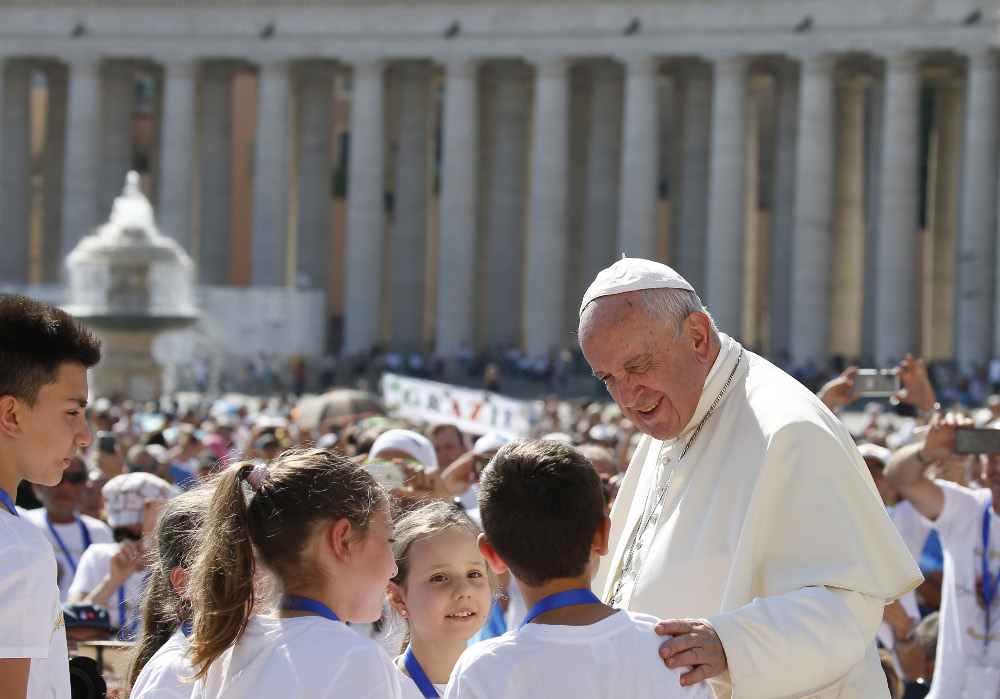
The bishops also invoked the moral legacy of Pope Francis, recalling his visit to South Sudan and his repeated appeals for reconciliation, unity, and an end to violence rooted in ethnic division. They emphasized that his message remains urgent as communities continue to suffer from hunger, insecurity, and displacement. Beyond addressing national leaders, the bishops appealed to regional partners and the wider international community not to abandon South Sudan at a moment when renewed engagement could help prevent further escalation. They underscored the Church’s role as a voice for the voiceless and called on clergy, religious communities, and people of goodwill to dedicate themselves to prayer and concrete actions for peace. In their view, sustaining hope requires rejecting inflammatory language and recommitting to a political process that places human life above military ambition.