

A recent intergenerational workshop in Western Equatoria brought together young people from ten counties along with elders and community representatives to consider new approaches to peacebuilding in a nation still confronting the consequences of prolonged instability. Bishop Eduardo Hiiboro Kussala of the Diocese of Tombura Yambio described the gathering as a moment in which young people were invited not only to discuss challenges but to recognize their existing strengths and aspirations. He noted that the workshop aimed to encourage constructive engagement by shifting attention from divisive influences toward shared values capable of strengthening communities. The initiative’s central theme, The Youth who build Peace, Build the Future, highlighted the belief that sustainable progress depends on cooperation between generations, where youthful energy and elder wisdom complement one another. Participants explored concepts such as dignity, opportunity, self-understanding and social equality, framing peace as a long term process rooted in formation rather than spontaneous resolution. For the bishop, the event demonstrated that genuine transformation becomes possible when young people develop confidence in their ability to protect their communities from harmful narratives and political manipulation.
Bishop Hiiboro emphasized that peace requires attentiveness to historical wounds and an openness to reconciliation, explaining that a nation cannot secure its future without acknowledging the mistakes of its past. His appeal to young people to serve as messengers of unity reflected a desire to cultivate leadership that is resilient, reflective and capable of discerning what strengthens social cohesion. The bishop expressed concern that policies or influences encouraging division can shape not only the present generation but those yet to come, underscoring the urgency of equipping youth with the educational and moral tools necessary to resist exploitation. He argued that the workshop represented a movement sustained by young people who possess an intrinsic capacity to reimagine social relationships when provided with opportunities for dialogue. Themes of identity, development and communal responsibility surfaced repeatedly as facilitators encouraged participants to imagine peace as something built through daily choices that reinforce mutual respect. By highlighting education as the foundation for resisting manipulation, the bishop reaffirmed that support for youth is essential to long term national recovery.
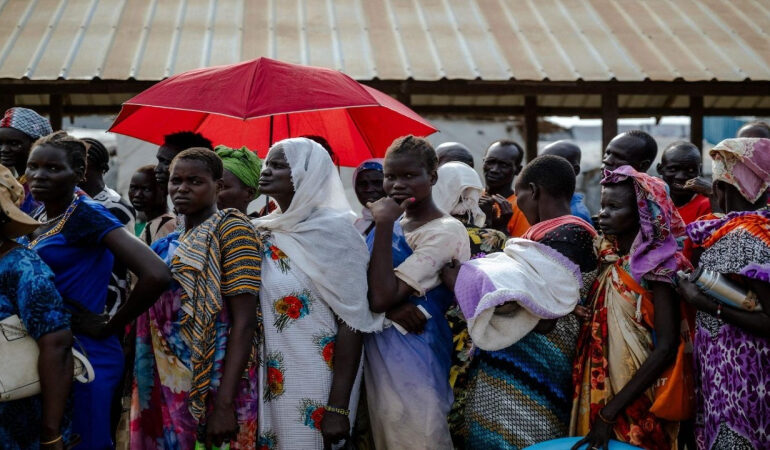
These discussions occur against the backdrop of heightened tensions in South Sudan, where reports from international monitors indicate rising political polarization, renewed clashes and severe humanitarian strain. Millions of citizens face acute food insecurity, and the conflict in neighboring Sudan has intensified pressure on South Sudanese communities as more than one million displaced people have crossed the border seeking safety. Despite these challenges, the bishop voiced optimism that the collaborative spirit shown at the workshop could contribute to rebuilding trust and strengthening resilience ahead of the country’s scheduled 2026 elections. He described the youth as role models capable of shaping a more peaceful society through faith, moral clarity and collective action. For Church leaders, the task now is to nurture these emerging capacities, providing spaces where young people can rise together with a renewed commitment to peace. In doing so, they hope to create conditions in which future generations inherit not cycles of conflict but pathways toward reconciliation and shared responsibility.