
Spain Church and State Open New Path for Abuse Compensation
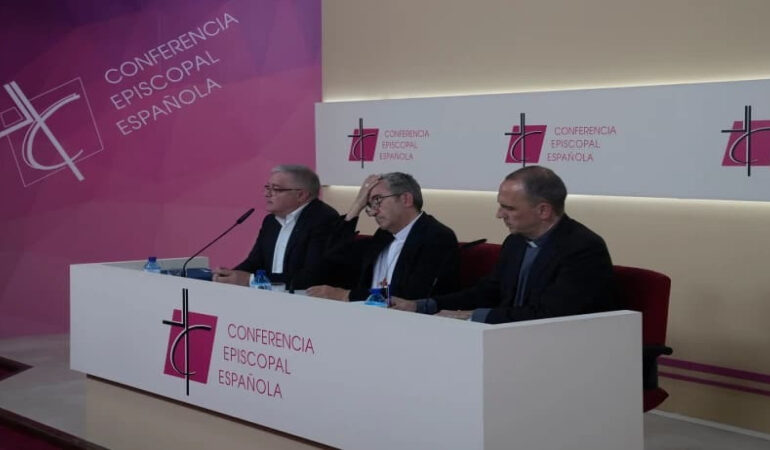

Spain’s Catholic bishops and the national government have reached a new agreement creating an alternative route for survivors of clerical sexual abuse to seek financial compensation, marking a significant development in church state cooperation on accountability. The agreement allows victims whose cases were dismissed by courts due to time limits or the death of the alleged perpetrator to submit claims through the national ombudsman rather than directly to church structures. The mechanism follows more than a year of difficult negotiations and reflects growing pressure for processes that are perceived as more independent and accessible. For many survivors, the new framework is intended to reduce barriers to recognition and redress, especially for those unwilling or unable to approach ecclesial bodies directly after years of trauma and institutional mistrust.
Under the arrangement, victims will submit petitions to the justice ministry, which will then forward cases to the ombudsman for evaluation. The ombudsman will assess each claim and propose a compensation plan that will be reviewed by the church’s existing reparation commission. If agreement cannot be reached between the survivor and the church, the case will move to a joint committee that includes representatives of victims’ associations, the ombudsman, and church authorities. Should this process still fail to produce consensus, the ombudsman’s original recommendation will prevail. The mechanism has been established initially for one year, with the possibility of renewal, signaling both caution and openness to reassessment based on its effectiveness.
Church leaders in Spain have described the agreement as complementary rather than a replacement for internal processes already in place. The Spanish episcopal conference has emphasized that its compensation commission has already reviewed more than one hundred cases and distributed several million euros in reparations. At the same time, advocacy groups have long criticized church led mechanisms for lacking external oversight and for placing the burden on victims to initiate contact with church institutions. By introducing the ombudsman as an intermediary, the new agreement attempts to address those concerns while preserving the church’s role in financing and administering compensation. The arrangement has also received encouragement from Vatican officials, reflecting support for negotiated solutions that balance moral responsibility with legal frameworks.
The agreement follows years of intense public debate in Spain over the scale of abuse and the appropriate response from both church and state. A landmark report by the national ombudsman brought renewed attention to historical failures and the long term impact on survivors, prompting political pressure for concrete action. While disagreements remain over data and interpretation, the new compensation pathway represents a shift toward shared responsibility and procedural transparency. For the Catholic Church in Spain, the accord signals an effort to rebuild credibility through cooperation rather than confrontation. For survivors, its real significance will depend on whether the process delivers timely, fair, and humane outcomes that acknowledge harm without adding further obstacles.