

Spain Euthanasia Case Sparks Ethical Debate After Death of 25 Year Old Noelia Castillo
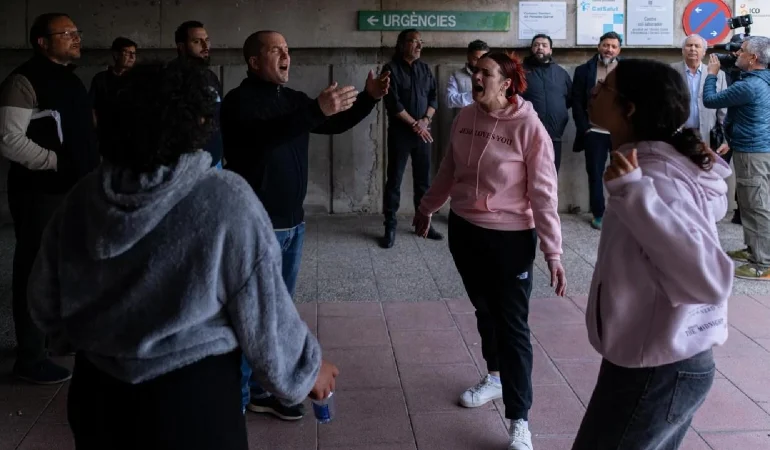

The death of 25 year old Noelia Castillo in Spain has reignited national and international debate over euthanasia laws, ethics and the role of the state in end of life decisions. Castillo died in Barcelona after receiving legal euthanasia following a prolonged legal battle that drew widespread attention. Her case became a focal point of discussion due to her age, medical condition and the strong opposition from her family. It also highlighted the growing tension between personal autonomy and moral, religious and legal perspectives within European societies.
Castillo had pursued her right to euthanasia for nearly two years after her request was approved by a regional medical and legal body in Catalonia. Her father challenged the decision in court, arguing that her psychiatric condition affected her ability to make such a choice. The case moved through multiple legal stages, including Spain’s highest judicial authorities, before courts ultimately upheld her right under national law. Spain legalized euthanasia and assisted suicide in 2021 under strict conditions, allowing patients experiencing severe and incurable suffering to seek medically supervised end of life procedures.
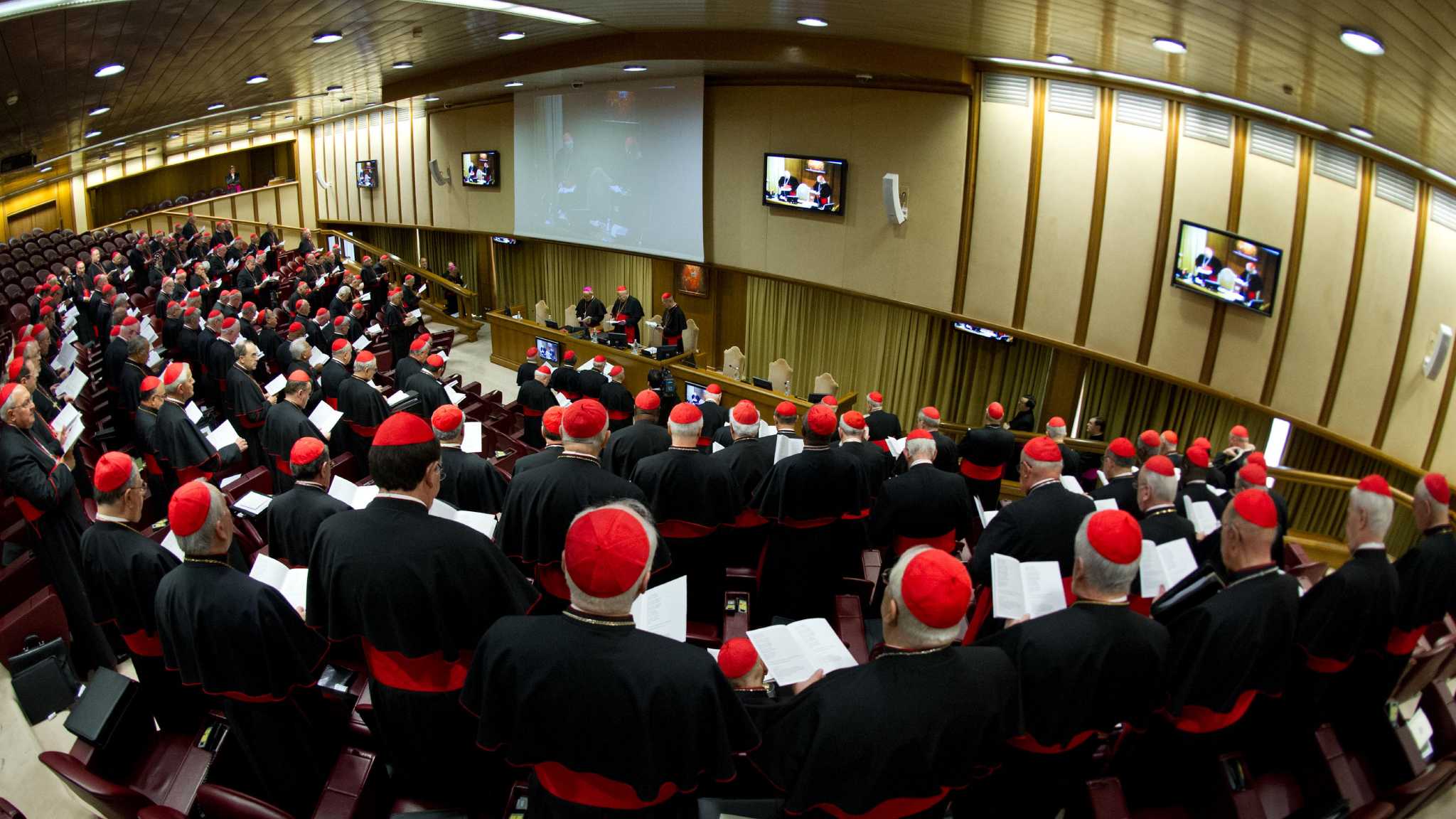
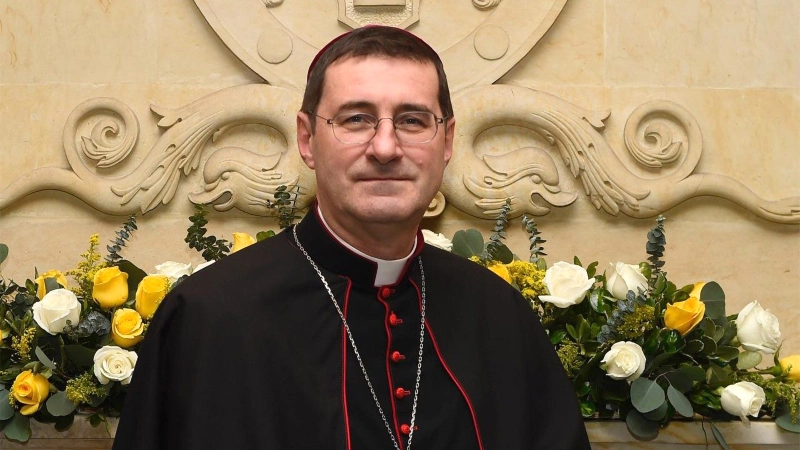
The case has drawn strong reactions from religious institutions, particularly the Catholic Church, which has consistently opposed euthanasia on moral and doctrinal grounds. Church representatives have argued that such laws undermine the sanctity of life and risk normalizing decisions driven by psychological distress rather than terminal illness. The situation has also raised broader concerns about how societies define suffering and whether adequate support systems exist for individuals facing long term physical and mental challenges.
Public discourse around Castillo’s case has extended beyond religious perspectives, with disability rights groups and legal experts questioning whether current frameworks sufficiently protect vulnerable individuals. Critics argue that systems should prioritize improving living conditions, healthcare support and mental health services before enabling access to assisted death. Supporters of the law, however, maintain that personal dignity and autonomy must remain central, particularly in cases where individuals experience ongoing and unbearable suffering despite medical care.
The controversy has also highlighted the evolving legal landscape across Europe, where a growing number of countries have adopted or are considering euthanasia legislation. Spain’s experience reflects a broader shift in how modern societies approach end of life rights, balancing ethical considerations with legal frameworks. As debates continue, cases like Castillo’s are likely to shape future policy discussions, influencing both national legislation and the wider global conversation on medical ethics and human dignity.