
Spanish Archbishop Urges Church to Take Prophetic Stance Against Political Polarization
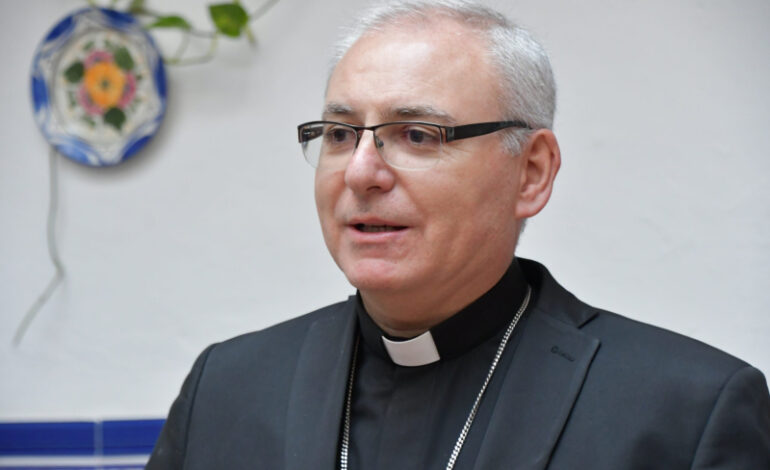

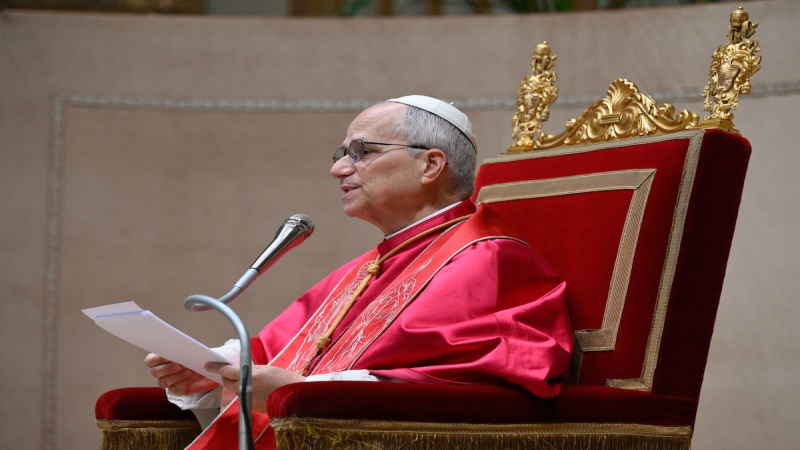
As political polarization intensifies across Europe, Archbishop Joan Planellas of Tarragona has called on the Catholic Church to adopt a critical and prophetic stance when confronted with rhetoric that divides society. While emphasizing that the Church must not align itself with partisan politics, he stressed that it has a responsibility to defend human dignity and promote social cohesion.
Speaking about the current climate in Spain and beyond, Archbishop Planellas warned against language that excludes or generates fear toward those perceived as different. He said that when political actors promote narratives rooted in division, the Church must respond by reaffirming principles grounded in fraternity, social justice, and respect for human rights.
The archbishop clarified that maintaining a prophetic voice does not mean entering into political battles. Rather, it involves reminding society of moral foundations that transcend ideology. According to him, Christian values must remain centered on the dignity of every person, especially in times of cultural tension and public debate.
Addressing Spain’s shifting religious landscape, Archbishop Planellas acknowledged that the country is no longer one where Catholic identity is inherited automatically. Instead of reacting with nostalgia, he suggested that the Church should view this reality as an opportunity to rediscover the essence of the Gospel. He highlighted the importance of listening, pastoral closeness, and authentic witness as essential tools for evangelization in a secularized society.
In Catalonia, where cultural and linguistic identity shape public life, the archbishop noted that evangelization requires sensitivity and dialogue. He described the region as highly attentive to ethical coherence, suggesting that credibility in social matters strengthens the Church’s mission.
Migration remains a particularly sensitive issue in Spain. Following the regularization of hundreds of thousands of migrants earlier this year, Archbishop Planellas reiterated that the Church’s role is to accompany and integrate rather than dictate policy. He emphasized that migrants should be viewed not as problems but as brothers and sisters. Catholic organizations, including Caritas and parish communities, continue to provide assistance and integration support to newcomers.
The archbishop also addressed the broader temptation within society to seek simple explanations for complex challenges. He cautioned against narratives that assign blame without self examination, urging individuals to reflect on personal responsibility and moral integrity.
Looking ahead to Pope Leo XIV’s anticipated visit to Spain, Archbishop Planellas expressed hope that it will renew faith and encourage bridge building. He said the visit could strengthen communities and refocus attention on those who suffer most, reinforcing the Church’s social mission.
On the issue of housing, the Catalan dioceses recently reached an agreement with regional authorities to make unused Church properties available to help address the housing crisis. Archbishop Planellas described this as a concrete expression of Catholic social teaching, demonstrating that faith must translate into tangible commitment.
Through these initiatives and reflections, the archbishop underscored that the Church’s prophetic voice remains vital in navigating polarization while promoting unity and justice.