
Spanish Bishops Offer Donor Access to Pope Leo XIV to Fund Major Apostolic Visit
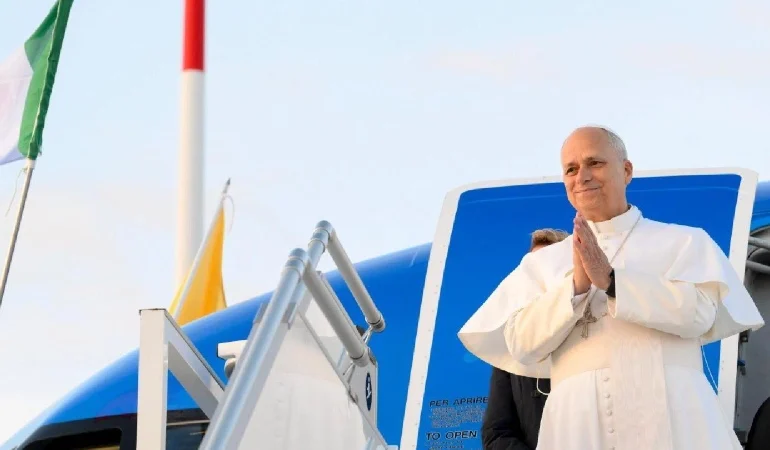

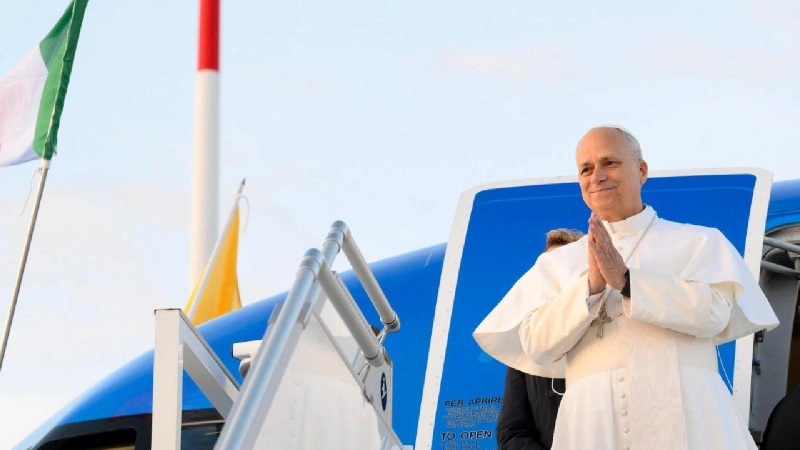
Spain’s Catholic bishops have introduced a tiered donor program ahead of Pope Leo XIV’s upcoming visit, offering high level contributors the opportunity to meet the pontiff as part of efforts to finance the large scale event. The initiative, designed to cover significant logistical and operational costs, reflects a growing reliance on private funding for major Church gatherings. While the approach aims to reduce the burden on public finances, it has also sparked debate about the balance between fundraising strategies and the principles of ecclesiastical transparency and equality.
According to details shared within Church circles, the Spanish Episcopal Conference has outlined multiple sponsorship levels targeting businesses, foundations, and individuals. The highest tier, described as great benefactor, requires contributions ranging from hundreds of thousands to over one million euros and includes a private audience with Pope Leo XIV, along with reserved access to official events. A slightly lower tier offers similar privileges, though without a private meeting. These structured incentives are intended to encourage substantial financial support while ensuring that the visit can proceed without direct reliance on taxpayer funding.
Church representatives have defended the initiative as a practical response to the financial demands of hosting a papal visit, which is expected to cost between fifteen and thirty million euros. They argue that securing private contributions allows the Church to manage expenses responsibly while maintaining the scale and accessibility of the event. At the same time, the program includes broader participation options, ranging from mid level sponsorships to smaller contributions, ensuring that individuals and organizations at different levels can take part in supporting the visit.
Beyond financial contributions, the proposal also highlights potential benefits for donors, including visibility and association with values such as peace, solidarity, and community engagement. Organizers anticipate that the visit will attract over one million attendees and reach a global audience through media and digital platforms. This exposure is presented as an added incentive for corporate sponsors, alongside existing tax benefits available under Spanish law, which can significantly reduce the effective cost of contributions under certain conditions.
However, the inclusion of direct access to the Pope as part of the highest donation tiers has raised concerns among observers and within parts of the Church. Critics question whether offering such privileges risks creating perceptions of unequal access or undermining the spiritual nature of papal encounters. While similar practices have been used in past events, including previous papal visits, the current proposal has reignited discussions about ethical boundaries in Church fundraising, particularly in contexts where financial contributions are linked to personal interaction with religious leadership.
Historical precedents provide context for the current debate, as previous papal visits to Spain and other countries have also relied on private funding models. These initiatives have occasionally generated controversy, especially when tax incentives and donor privileges were involved. Comparisons have been drawn to earlier events where benefits such as preferred seating were offered, though direct meetings with the Pope have been less commonly documented. Such examples highlight the ongoing tension between practical funding needs and the expectations of fairness and integrity within Church operations.
As preparations for Pope Leo XIV’s visit continue, Church authorities in Spain appear focused on ensuring that the event proceeds successfully while managing financial constraints. The initiative reflects broader challenges faced by religious institutions in organizing large scale global events in a modern context. With anticipation building among the faithful, the outcome of this approach may influence how future papal visits are funded and structured, particularly in balancing financial sustainability with the Church’s spiritual mission and public perception.