

Synod Study Groups Outline Expanding Roles for Women in Ongoing Church Reforms
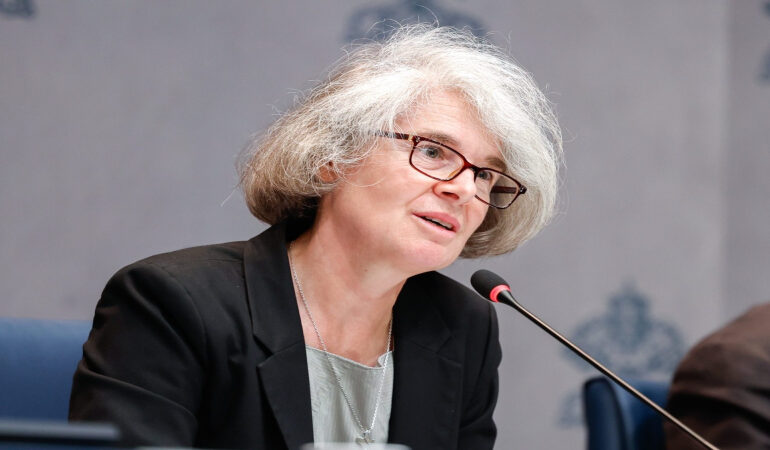

Another central theme emerging from the interim reports concerns seminary formation. Study Group 4 endorsed the synod’s earlier recommendation to strengthen the presence of women in training programs for priests, acknowledging that insights from laywomen and women religious contribute to healthier and more accountable environments. While the group determined that it is premature to revise the 2016 Ratio Fundamentalis, it advised that synodal recommendations be formally attached to the current document so that dioceses can incorporate them as part of implementation. Meanwhile, Study Group 5, focused on theological and canonical questions related to ministerial forms, has been incorporated into the Dicastery for the Doctrine of the Faith’s work on drafting a document addressing women’s participation in leadership. The interim materials preview several appendices, including accounts of women serving in curial institutions, historical examples of women’s contributions, and discussions on authority, clerical culture and the limits of long-standing interpretive frameworks. The group has also forwarded all submissions regarding women deacons to the commission reopened by Pope Francis after concerns were raised about transparency.
Other groups addressed questions linked to women through broader themes. Study Group 9 identified violence against women in conflicts as an emerging priority requiring interdisciplinary reflection and pastoral clarity. Study Group 11, examining liturgical renewal, asked how liturgical texts might more fully recognize women’s roles in salvation history and how greater visibility in lectionary choices could support a more representative understanding of Scripture. Two commissions working alongside the study groups also signaled areas for possible canonical reform, including laws related to equality among the baptized, access to lay ministries and the possibility of expanding who may serve in certain governance positions. Though no final decisions have been issued, the reports collectively indicate an ongoing shift toward acknowledging the contributions of women more fully and addressing structural obstacles that limit participation.