

The Balance Between Central Authority and Local Autonomy in Rome
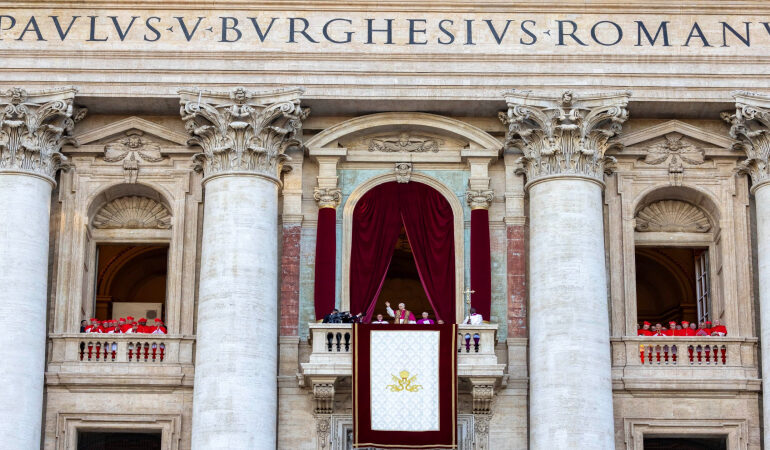

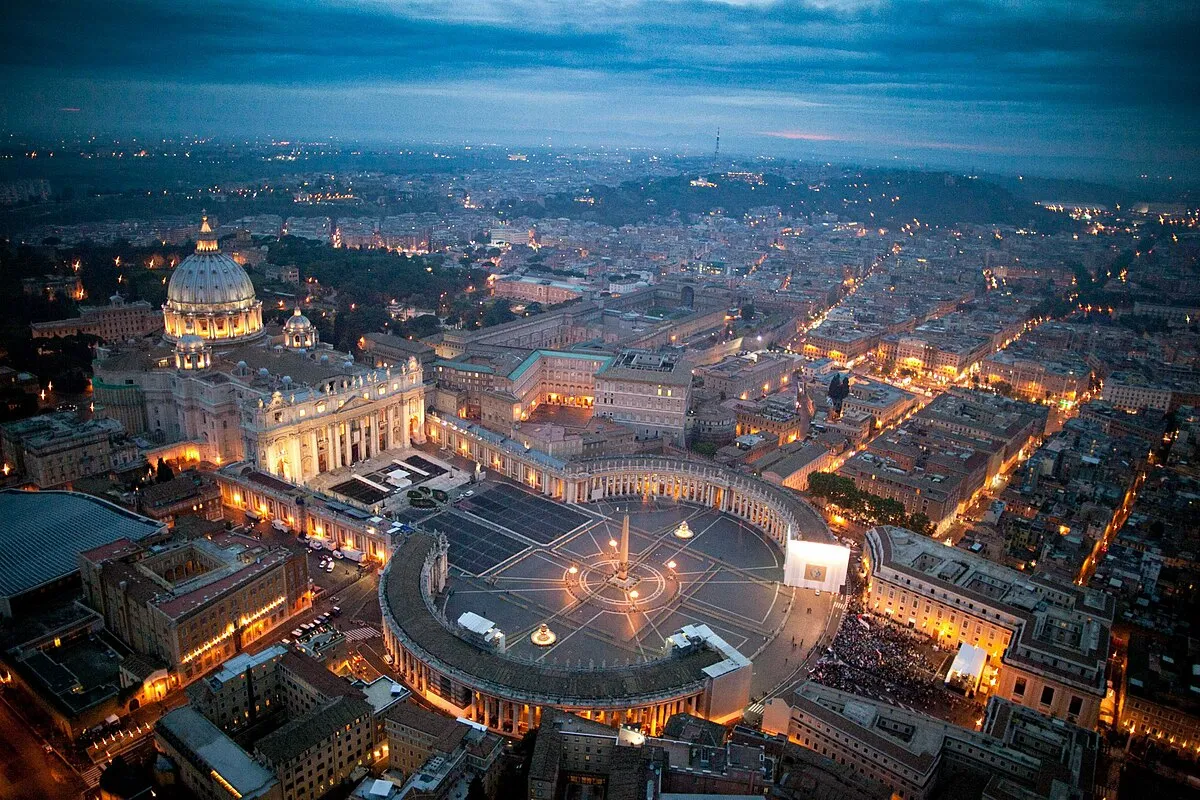
The Catholic Church is often described as highly centralized, yet its global reality depends heavily on local leadership. This tension between central authority in Rome and the autonomy of local Churches is not a flaw, but a defining feature of Catholic governance. Managing this balance has become increasingly important as the Church operates across diverse cultural, legal, and social environments.
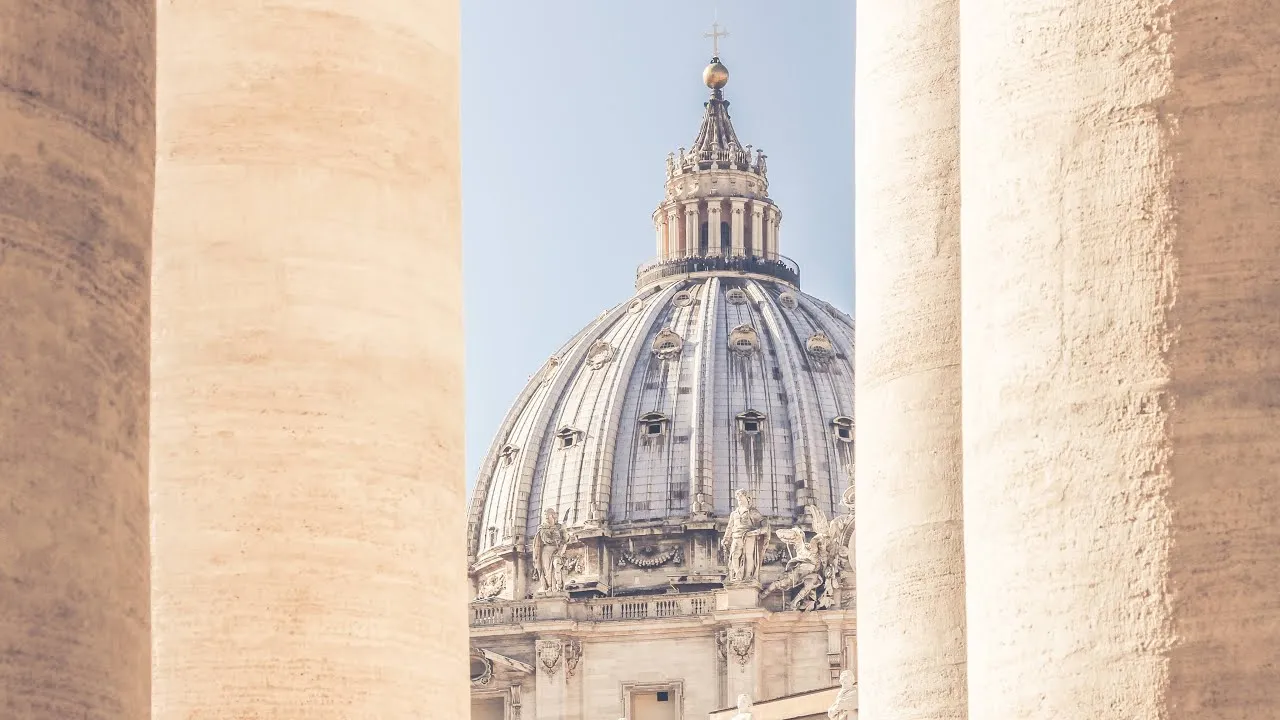
Rome serves as the center of unity, doctrine, and coordination, while bishops govern local Churches with real authority. The effectiveness of Vatican governance depends on how well these two dimensions function together. Understanding this balance helps clarify how the Church maintains unity without uniformity in a global context.
Central Authority as a Source of Unity
Central authority in Rome exists primarily to safeguard unity. The pope and Vatican institutions ensure coherence in doctrine, sacramental life, and overall mission. This authority prevents fragmentation and preserves communion among Churches worldwide.
Rather than managing daily pastoral life everywhere, Rome sets boundaries and direction. Central authority provides reference points that allow local Churches to remain connected despite cultural and contextual differences. Unity is maintained through shared faith and governance principles, not micromanagement.
The Real Scope of Local Episcopal Authority
Local bishops possess genuine authority within their dioceses. They are not branch managers of Rome, but shepherds responsible for teaching, governance, and pastoral care in their regions. Canon law grants bishops significant responsibility and discretion.
This autonomy allows the Church to respond to local realities. Cultural, social, and legal conditions vary widely, and local leadership is best positioned to address them. Effective governance depends on trusting bishops to act within their mandate while remaining in communion with Rome.
Rome as Coordinator Rather Than Controller
A common misunderstanding is that Rome directly controls every aspect of Church life. In practice, the Vatican functions more as a coordinator than a controller. It intervenes primarily when unity, doctrine, or governance integrity is at stake.
This coordinating role supports consistency without suppressing initiative. Rome provides guidance, oversight, and arbitration when necessary, but routine pastoral decisions remain local. This model allows the Church to function globally without central overload.
Tensions That Arise From Cultural Diversity
Balancing authority and autonomy is not without tension. Cultural differences can create divergent expectations about governance. What feels appropriate in one region may seem distant or intrusive in another.
Rome must navigate these differences carefully. Overcentralization risks alienation, while excessive decentralization risks fragmentation. The balance requires discernment, patience, and mutual trust between central and local leadership.
How Processes Mediate Authority
Formal processes play a crucial role in maintaining balance. Consultations, synods, and structured communication channels allow local voices to be heard while preserving central coherence. These processes reduce conflict by clarifying expectations.
Through process, authority becomes shared rather than imposed. Rome listens, evaluates, and responds within established frameworks. This procedural mediation strengthens legitimacy on both sides.
Global Growth and the Need for Autonomy
As the Church continues to grow in regions outside Europe, the importance of local autonomy increases. Local Churches face distinct social pressures and opportunities. Governance that respects context strengthens mission.
Rome’s challenge is to support this growth without imposing uniform solutions. Encouraging local responsibility while maintaining doctrinal unity reflects a mature governance model suited to a global Church.
Lessons From Recent Transitions
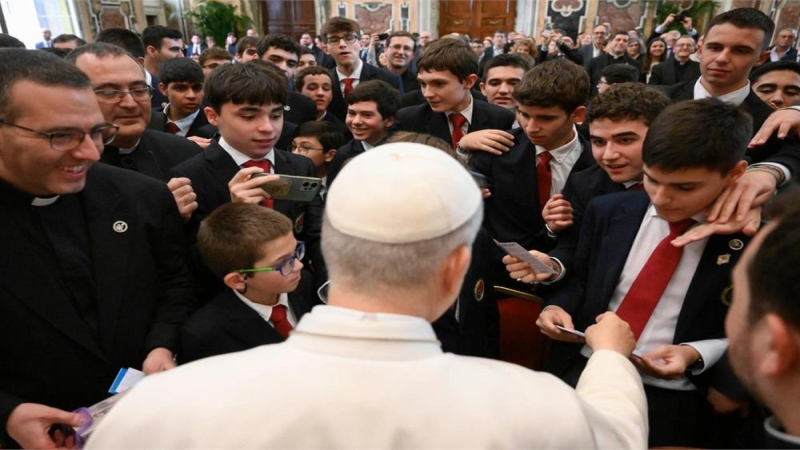
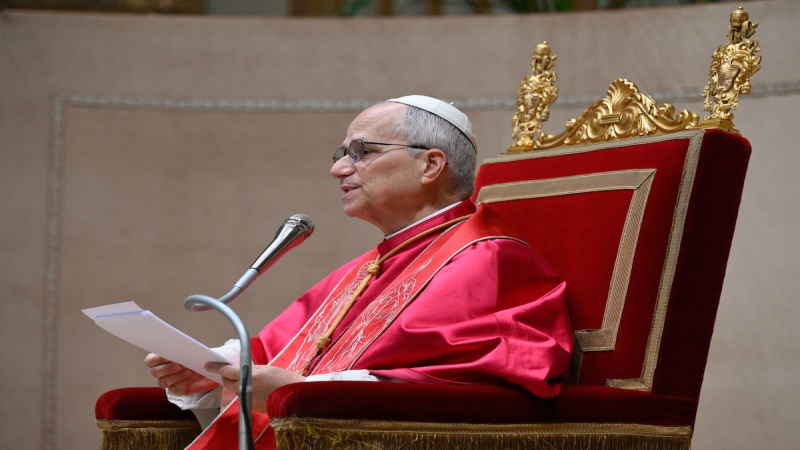
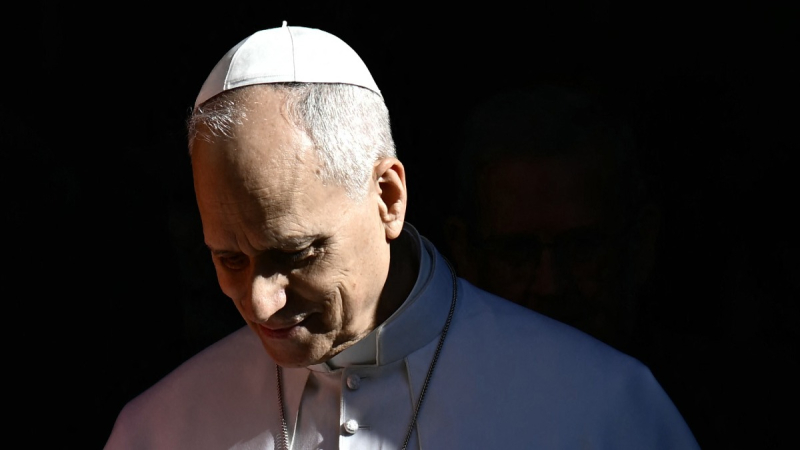
Recent papal transitions have highlighted the importance of balance. Changes in leadership style can shift emphasis, but the underlying structure remains. Pope Leo XIV’s restrained approach reinforces trust in local governance while preserving central authority.
This reinforces the idea that balance is dynamic, not fixed. It adjusts over time without abandoning core principles. Authority and autonomy remain interdependent.
Conclusion
The balance between central authority and local autonomy is essential to Vatican governance. Rome provides unity and coherence, while local Churches exercise real responsibility shaped by context. When this balance is respected, the Church remains both universal and locally grounded, capable of sustaining faith and governance across an increasingly diverse global landscape.