
The Church in Africa: Rising Voices Shaping Global Catholic Discourse

Across 2025, the Catholic Church in Africa continues gaining global attention as one of the fastest growing and most dynamic centers of Catholic life. With expanding communities, vibrant liturgical traditions, strong youth populations, and active engagement in social issues, African Catholics increasingly influence theological conversation, pastoral direction, and global Church priorities. This development marks a significant moment in modern Catholic history, as the demographic center of the Church continues shifting toward the Global South.
The growth of African Catholicism is not merely numerical. It reflects a deep commitment to faith, community, and service. Local Churches are shaping responses to social challenges while contributing fresh perspectives to international discussions on evangelization, cultural identity, and moral responsibility. These rising voices offer insights rooted in lived experience, resilience, and a strong sense of communal mission.
A Growing Spiritual and Demographic Force
In recent decades, African Catholic communities have expanded at a remarkable pace, and 2025 continues this trend. Many African countries report steady growth in vocations, increasing participation in parish life, and active involvement in lay ministries. These developments contribute to a renewed energy within the global Catholic community, as African dioceses often demonstrate strong engagement with both catechesis and missionary outreach.
This demographic vitality influences the universal Church by providing a younger Catholic population compared to many regions experiencing decline. Young people in Africa play a significant role in shaping parish life, leading choirs, participating in formation programs, and contributing to social initiatives. Their presence strengthens communities and encourages a forward looking vision for Catholic identity.
The growth of the Church in Africa also contributes to its representation in global leadership roles. African bishops regularly participate in international assemblies and are increasingly recognized for their pastoral experience, theological insight, and contributions to global Church discussions.
Addressing Social Challenges Through Faith Driven Action
African Catholic communities frequently engage with pressing social challenges that affect daily life, including poverty, political instability, health crises, and environmental concerns. Local Churches play a crucial role in education, healthcare, and humanitarian outreach across the continent. Through parishes, schools, and charitable organizations, Catholics work to support those facing hardship and promote long term development.
In countries affected by conflict or displacement, Church leaders are often active in peacebuilding and reconciliation efforts. Their presence helps create dialogue between communities and offers moral guidance during periods of uncertainty. This commitment to social justice reflects core Catholic principles and demonstrates how faith can influence positive change in society.
The Church in Africa also helps raise global awareness about issues such as access to clean water, food security, and equitable development. These concerns shape international discussions and contribute to the Church’s broader mission of defending human dignity.
Cultural Expression and Theological Contribution
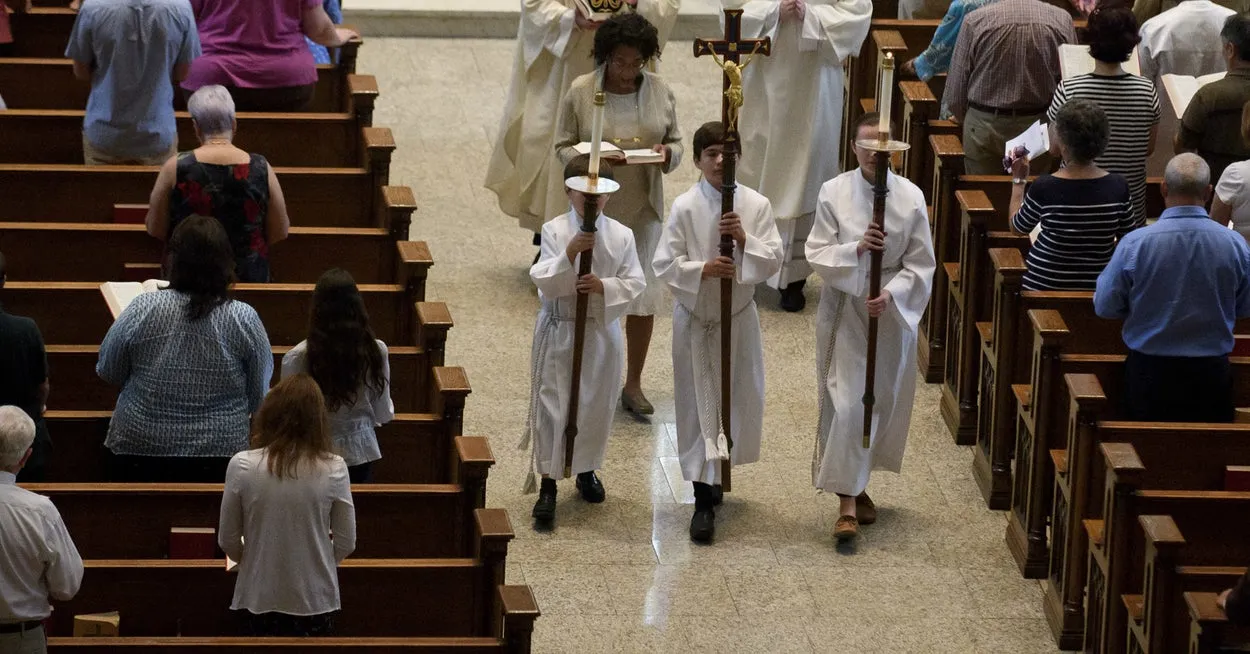
The richness of African cultural traditions continues shaping the Church’s global identity. Liturgical celebrations often incorporate music, dance, and communal participation that reflect local heritage while remaining faithful to Catholic worship. These expressions strengthen parish life and demonstrate the ways in which Catholicism adapts to diverse cultures without losing its core message.
African theologians also contribute significantly to global theological discourse. Their work addresses topics such as inculturation, community based pastoral care, and the relationship between faith and cultural identity. By bringing local experiences into broader conversation, African scholars help deepen the Church’s understanding of how faith is lived across different contexts.
These contributions reinforce the importance of diverse voices within the universal Church. They highlight the value of listening to communities whose experiences offer unique perspectives on spiritual life and social responsibility.
A Growing Presence in Global Church Decision Making
As the Church continues navigating complex global issues, African voices play an increasingly important role in shaping decision making and pastoral direction. African bishops and theologians participate actively in synodal discussions, Vatican consultations, and international Catholic organizations. Their insights help address challenges such as youth engagement, family life, ethical governance, and the promotion of peace.
This growing influence mirrors the demographic reality of the Church and contributes to a more representative global leadership. African leaders often emphasize themes such as community solidarity, moral clarity, and the importance of family and faith in social life. These perspectives enrich the global Catholic conversation and strengthen the Church’s sense of unity across continents.
Conclusion
The Church in Africa continues shaping global Catholic discourse through its demographic growth, social engagement, cultural expression, and theological insight. As African voices gain prominence, they contribute renewed energy, creativity, and clarity to the universal Church. This rising influence supports a dynamic and diverse Catholic community, rooted in tradition while responding with hope and commitment to the challenges of the modern world.