

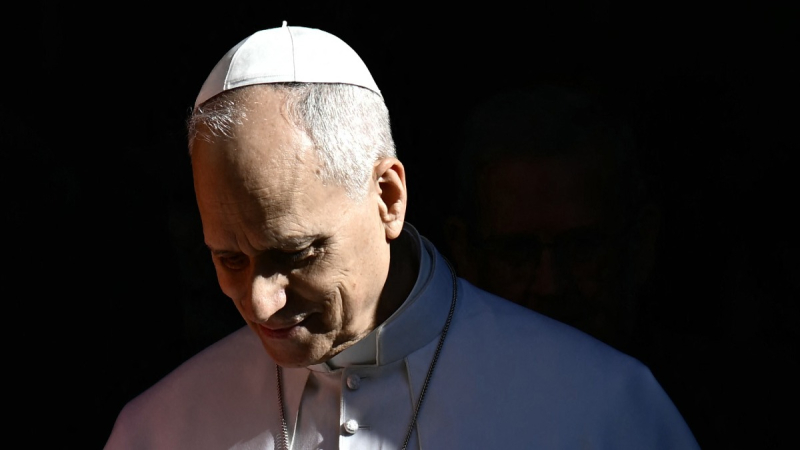
The First Signals From Pope Leo XIV on Church Governance and Reform
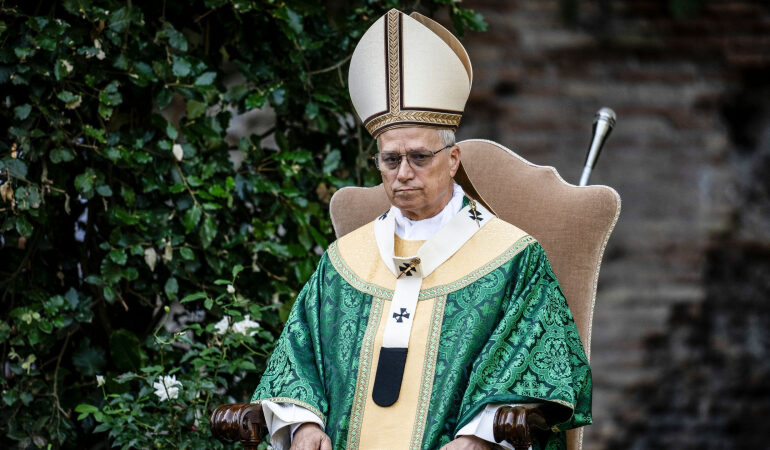

The early phase of a new papacy often invites intense scrutiny, especially regarding governance and reform. With Pope Leo XIV, expectations have been shaped by a global Church navigating institutional trust, administrative complexity, and calls for accountability. While sweeping reforms are rarely announced at the outset of a pontificate, the first signals offered by a pope can reveal important priorities.
Pope Leo XIV’s initial actions and public language suggest a measured approach to governance rather than immediate structural change. Instead of bold declarations, he appears focused on reinforcing the foundations of Church administration. This early restraint reflects an understanding that lasting reform is built through consistency, consultation, and institutional clarity rather than speed alone.
Governance Rooted in Responsibility and Continuity
One of the clearest signals from Pope Leo XIV is his emphasis on responsibility within existing Church structures. Rather than portraying governance as a project of replacement, he frames it as a process of stewardship. This approach reinforces continuity while allowing space for gradual improvement.
Church governance under Pope Leo XIV appears oriented toward strengthening accountability without undermining stability. His early remarks emphasize service, competence, and ethical responsibility within leadership roles. This suggests a vision of reform that works through renewal of purpose rather than disruption of structure.
Such an approach aligns with the realities of a global institution that spans cultures and legal systems. By prioritizing continuity, Pope Leo XIV positions governance reform as an ongoing responsibility shared across the Church rather than a centralized directive imposed from above.
Signals of Reform Through Process, Not Headlines
Rather than introducing reform through high profile announcements, Pope Leo XIV appears to favor procedural clarity. His language points toward careful evaluation of systems already in place, with attention to transparency and effectiveness. This signals reform through method rather than spectacle.
This approach recognizes that institutional credibility is restored through consistent practice. Governance reforms, when introduced quietly and applied faithfully, often produce more durable results than those driven by public pressure. Pope Leo XIV’s early posture reflects awareness of this reality.
By focusing on process, the papacy avoids framing reform as reaction. Instead, it becomes an expression of institutional maturity. This signals confidence in the Church’s capacity to govern itself responsibly while remaining attentive to legitimate concerns.
Leadership Style and Administrative Culture
The leadership style emerging under Pope Leo XIV places strong emphasis on collaboration and discernment. His governance signals suggest that consultation will play a central role in decision making. This reinforces the idea that reform is not solely structural but cultural.
Administrative culture within the Church is shaped as much by tone as by policy. Pope Leo XIV’s restrained communication and careful language contribute to an environment where leadership is exercised through listening as well as direction. This cultural shift can be as influential as formal reform measures.
Such a leadership approach also encourages accountability at all levels. When governance is framed as shared responsibility, administrative integrity becomes a collective commitment rather than a hierarchical obligation.
Reform Without Disruption of Mission
A defining feature of Pope Leo XIV’s early signals is his insistence that governance reform must serve the Church’s spiritual mission. Administrative efficiency is not treated as an end in itself but as a means to support pastoral care, evangelization, and service.
By maintaining this balance, Pope Leo XIV avoids reducing reform to management alone. Governance remains connected to the Church’s moral and pastoral purpose. This integration ensures that reform strengthens rather than distracts from the Church’s core identity.
This perspective also helps prevent polarization around reform. When governance changes are framed as mission driven, they are less likely to be interpreted as ideological shifts. Instead, they are understood as efforts to ensure faithful stewardship.
Conclusion
The first signals from Pope Leo XIV on Church governance and reform point toward a cautious yet purposeful direction. Rather than immediate transformation, his approach emphasizes responsibility, process, collaboration, and mission alignment. In doing so, he presents reform as a sustained commitment rather than a moment of change. This steady leadership style suggests that governance under Pope Leo XIV will prioritize credibility and coherence as foundations for long term renewal.