
The Legal Pressure Points Between Governments and the Global Church
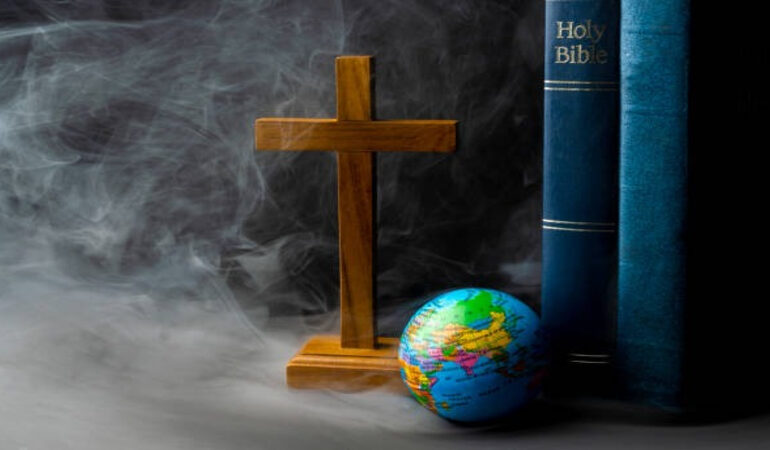

Across many regions, the relationship between governments and the Catholic Church is increasingly shaped by law rather than tradition. Legal systems are expanding their reach into areas that intersect with religious belief, institutional autonomy, and public expression of faith. These developments create pressure points that the global Church must navigate carefully, balancing respect for civil authority with fidelity to doctrine and mission.
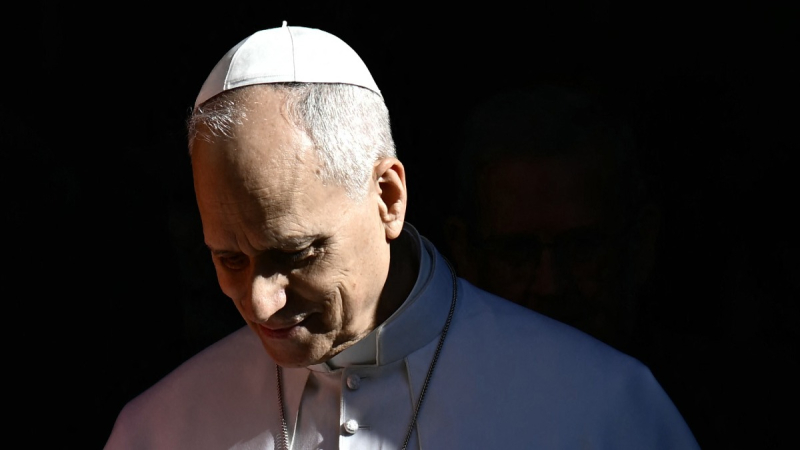
Under the leadership of Pope Leo XIV, the Vatican is approaching these legal challenges with heightened attention and strategic caution. Rather than viewing tensions as isolated national issues, the Holy See increasingly recognizes them as part of a broader global pattern. Legal pressure is often incremental, emerging through regulation and interpretation rather than direct confrontation, making careful analysis essential.
Where Law and Church Authority Most Often Intersect
One of the most consistent pressure points arises where state law intersects with the Church’s internal governance. Issues related to education, charitable activity, and institutional independence frequently become legal questions. Governments may seek greater oversight or regulation in the name of transparency or uniform standards, while the Church emphasizes autonomy rooted in religious freedom.
These intersections are rarely framed as opposition to religion. Instead, they are often justified through administrative or legal language. The Vatican’s concern lies in how such measures, when combined, can limit the Church’s ability to govern its own institutions according to faith and conscience. Identifying these pressure points early allows for measured engagement rather than reactive defense.
Moral Teaching and Legal Compliance
Another area of tension involves moral teaching that conflicts with prevailing legal or cultural norms. Laws related to family life, education, and social policy can place Catholic institutions in positions where compliance may challenge doctrinal integrity. These situations create legal pressure without explicit prohibition of belief.
The global Church must navigate these contexts with precision. The Vatican encourages engagement that respects law while maintaining moral clarity. This approach seeks accommodation where possible, but it also recognizes limits where conscience and doctrine cannot be compromised. Legal pressure becomes most acute when moral teaching is reclassified as noncompliance rather than belief.
The Role of International Legal Frameworks
International law and transnational agreements increasingly influence domestic legislation. Standards related to human rights, equality, and public policy often shape national laws that affect religious institutions. While these frameworks aim to protect dignity, their interpretation can create unintended constraints on religious practice.
The Vatican monitors these developments closely, recognizing that international norms can reshape local realities. Engagement at this level allows the Holy See to contribute a religious perspective to legal discussions before they translate into binding national obligations. This proactive posture reflects an understanding of how global law influences the Church’s operating environment.
Managing Pressure Through Dialogue and Presence
Despite growing legal pressure, the Vatican’s primary response remains dialogue. Rather than framing tensions as conflict, the Holy See seeks ongoing engagement with legal and political institutions. Diplomatic presence, legal analysis, and sustained communication form the core of this strategy.
This approach allows the Church to articulate its position clearly while avoiding escalation. By remaining present in legal discussions, the Vatican helps ensure that religious freedom and institutional autonomy are considered alongside other societal priorities. Pressure points are addressed through persistence rather than confrontation.
Conclusion
The legal pressure points between governments and the global Church reflect a changing relationship shaped by regulation, interpretation, and evolving norms. Under Pope Leo XIV, the Vatican is responding with careful analysis, dialogue, and a firm commitment to conscience and autonomy. By identifying where law and faith intersect most sharply, the Church seeks to navigate legal challenges without abandoning its mission. This measured approach aims to preserve space for belief and service within increasingly complex legal environments.