The Rise of Faith-Based Activism in Global Issues
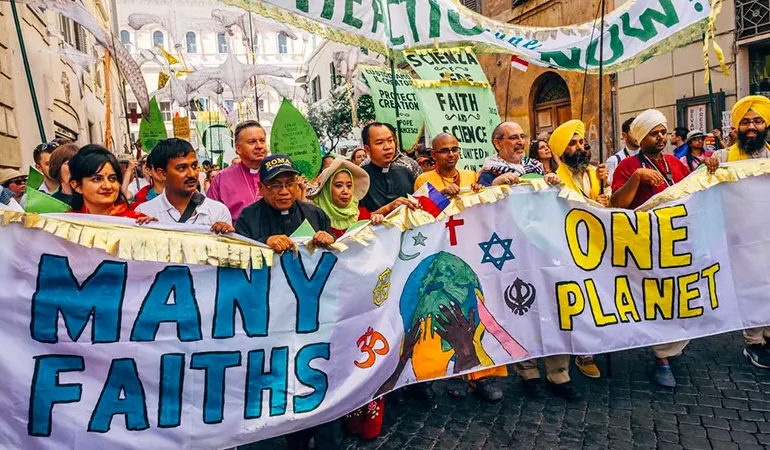

Reader responses reveal a significant increase in faith-inspired activism among communities worldwide. Many believers see their religious convictions as a source of moral energy for addressing global crises such as poverty, inequality, and environmental degradation. Respondents identify activism not as political rebellion but as an extension of spiritual responsibility. The growing sentiment among readers is that faith-based organizations should transform prayer and reflection into direct engagement with social and humanitarian challenges.
Moral Motivation Behind Activism
Survey results show that faith remains a powerful motivator for individuals who dedicate their time to advocacy and community service. Respondents describe moral conviction, compassion, and solidarity as the foundation of their involvement in social movements. Many point to Church teachings on human dignity and justice as guiding principles for action. Believers express that activism rooted in faith brings deeper meaning to public service because it connects civic responsibility with divine purpose.
Reader Views on Environmental Campaigns
Environmental advocacy has become one of the most common forms of faith-based activism highlighted by readers. Many describe Laudato Si’ as a moral call to protect creation and reduce ecological harm. Faith communities have organized tree planting drives, clean energy initiatives, and awareness campaigns inspired by Catholic environmental teachings. Readers emphasize that ecological protection represents both an ethical and spiritual duty. This perspective has helped build bridges between religious and secular groups working toward sustainability.
Humanitarian Action and Global Solidarity
Reader insights show that humanitarian work remains central to the expression of faith. Respondents note that parishes, schools, and diocesan organizations have intensified efforts to support refugees, disaster victims, and marginalized communities. Faith-based humanitarian programs are widely viewed as credible because they combine moral intent with practical results. Readers consistently mention that participation in relief missions strengthens their understanding of service as a form of prayer in motion.
Faith and Human Rights Movements
Many respondents link their activism to broader struggles for human rights and social justice. They believe that the Church has a duty to speak on behalf of the voiceless and to defend fundamental freedoms. Readers mention campaigns against human trafficking, child labor, and economic exploitation as examples of faith-driven engagement. They express appreciation for the Vatican’s involvement in global dialogues on migration and equality. The consensus among readers is that moral leadership can influence international policy through peaceful advocacy.
Youth Participation and Leadership
Young readers play a central role in shaping the direction of faith-based activism. They organize climate marches, social media campaigns, and community workshops that promote ethical citizenship. Many participants express that activism allows them to translate spiritual ideals into tangible change. Respondents view youth involvement as a sign of vitality within the Church, blending energy and faith to address the needs of contemporary society. Their actions show that religious commitment remains compatible with innovation and civic responsibility.
Interfaith Cooperation for Common Goals
Reader feedback highlights that modern activism often transcends denominational boundaries. Faith communities collaborate with other religious and secular organizations to achieve shared humanitarian goals. Interfaith partnerships are particularly active in environmental advocacy, poverty reduction, and peacebuilding. Respondents value this cooperation as a visible expression of unity and compassion. They view interreligious collaboration as a practical embodiment of the principle that moral truth belongs to all humanity.
Digital Activism and Faith Communication
Technology plays a major role in amplifying faith-based activism. Readers observe that social media allows believers to share success stories, mobilize resources, and promote awareness of global issues. Many respondents describe digital platforms as modern tools for evangelization and moral dialogue. However, they also stress the need for authenticity and integrity in online communication. Faith-based digital activism is viewed as most effective when it remains grounded in humility, respect, and verifiable information.
Challenges in Faith-Driven Advocacy
While faith-based activism continues to grow, readers acknowledge certain challenges. Participants mention limited funding, organizational fragmentation, and the risk of politicization. Some express concern that activism can lose focus if it becomes detached from spiritual reflection. Readers emphasize that the moral strength of activism depends on prayer, ethical discipline, and collective discernment. This reflection underscores the need for faith movements to maintain both moral clarity and operational professionalism.
Faith Communities as Agents of Global Renewal
Across reader feedback, there is broad agreement that faith-based activism has become a defining force in global civil society. Believers view their mission as both local and universal, rooted in compassion and shared responsibility. The moral voice of faith institutions is seen as essential for restoring balance to a world driven by material concerns. Readers conclude that activism nourished by prayer and community embodies the Church’s most powerful message: the call to serve humanity with justice, humility, and love.