

The Role of Media in Shaping Modern Catholic Identity


In today’s world, media is more than a tool for information. It has become a shared environment where culture, identity, and belief are expressed and debated. For Catholics, the digital age has brought new opportunities to communicate the Gospel and also new challenges in maintaining integrity, truth, and compassion in an often polarized environment. The Church recognizes that how it is represented in media deeply shapes how people understand faith itself.
Catholic identity is not confined to church walls. It lives through conversation, art, social commentary, and even entertainment. When people of faith engage with modern media, they help shape the narrative about what it means to believe, to serve, and to hope. However, this participation requires discernment. The same platforms that spread truth can also amplify misinformation and hostility. The Church encourages media literacy rooted in moral responsibility so that communication becomes an act of witness rather than conflict.
The Power of Storytelling
From the earliest days of Christianity, storytelling has been central to spreading faith. Parables, letters, and sacred art served as the original forms of communication. In the digital era, storytelling remains just as vital but takes on new forms through video, podcasts, documentaries, and social networks. Catholic media professionals today see themselves as part of this tradition. They use modern tools to convey timeless truths about dignity, forgiveness, and justice.
Stories that highlight compassion, service, and community resilience are especially powerful. They remind audiences that the Church is not an institution alone but a living body of believers acting in the world. This approach counters the perception of faith as outdated or detached. When journalists and filmmakers tell stories with accuracy and empathy, they reveal the humanity of the Church and its relevance to modern challenges.
The Challenge of Truth in the Digital Era
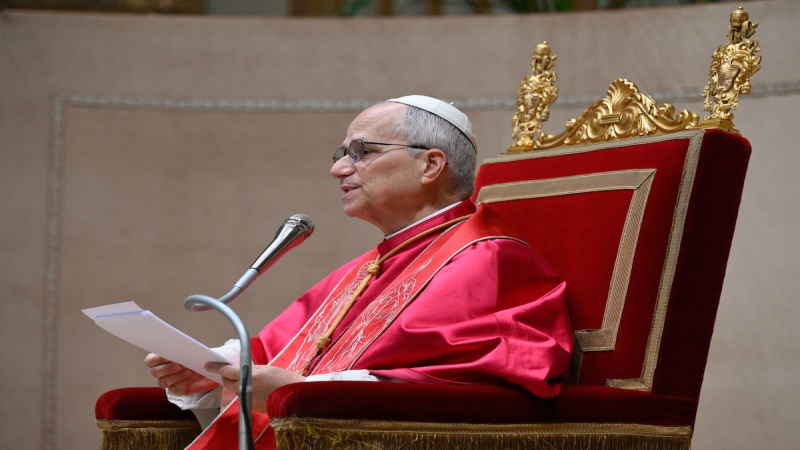
Misinformation has become one of the greatest threats to public discourse. Social media often rewards emotional reaction over reasoned reflection. The Church has spoken clearly about the moral duty to defend truth. Pope Leo XIV, continuing a theme often raised by his predecessors, has warned against the culture of noise that distorts understanding. He reminds communicators that truth is not only a matter of accuracy but of charity. To tell the truth is to build peace and trust among people.
Catholic media outlets are learning to navigate this environment by emphasizing verification, context, and ethical reporting. Many have partnered with universities to promote standards of integrity in journalism. The goal is not only to counter falsehood but to model how honest communication strengthens democracy and faith communities alike.
Dialogue and Diversity in Catholic Media
One of the defining features of today’s global Church is its diversity. Media allows that diversity to be celebrated rather than hidden. From Africa to Asia to Latin America, Catholics express their faith in languages, songs, and traditions that reflect their culture. Modern Catholic media helps connect these experiences, creating a sense of unity across continents.
Yet dialogue also means listening. Faith based media must be a space where questions can be raised without fear and where differing perspectives are treated with respect. Young Catholics in particular seek platforms that engage real issues such as climate change, social justice, and human rights. When the Church’s media addresses these topics openly, it becomes more credible and relevant.
Education and Responsibility
Media literacy has become an essential part of moral formation. Schools and parishes are encouraged to teach critical thinking about digital content. Understanding how messages are constructed helps believers become responsible participants rather than passive consumers. The Church calls on parents, educators, and youth ministers to help young people recognize manipulation, resist divisive rhetoric, and use social platforms for positive engagement.
At the same time, journalists working in Catholic institutions carry a serious ethical duty. Their work is not propaganda but service to the truth. Honest reporting, even when it reveals uncomfortable realities, can be a form of love for the Church. Transparency nurtures credibility, and credibility invites trust.
Toward a Culture of Encounter
The Church envisions media not as a battlefield but as a meeting ground. Pope Leo XIV has often described communication as a form of encounter. This means approaching others not to dominate or persuade but to listen and share. Media can connect people who might never meet in person, breaking down barriers of prejudice and indifference.
Catholic media organizations around the world have begun collaborating across borders to share content and expertise. This cooperation reflects the spirit of unity and global mission that defines the modern Church. It also demonstrates that faith based journalism can contribute to peacebuilding by promoting dialogue and empathy.
Restoring Hope Through Communication
Amid headlines of crisis and division, Catholic communicators have a special role to restore hope. They remind the world that goodness still exists and that small acts of kindness can transform societies. By focusing on solutions rather than despair, they echo the Church’s belief that every person is called to be a messenger of hope.
In this way, media becomes a form of ministry. It helps believers see the presence of grace in ordinary life and helps nonbelievers encounter a message of compassion and truth. The challenge is constant, but so is the opportunity. A Church that communicates with clarity and love can shape a more humane and honest global conversation.