

The Role of Women in the Global Church and Their Expanding Leadership
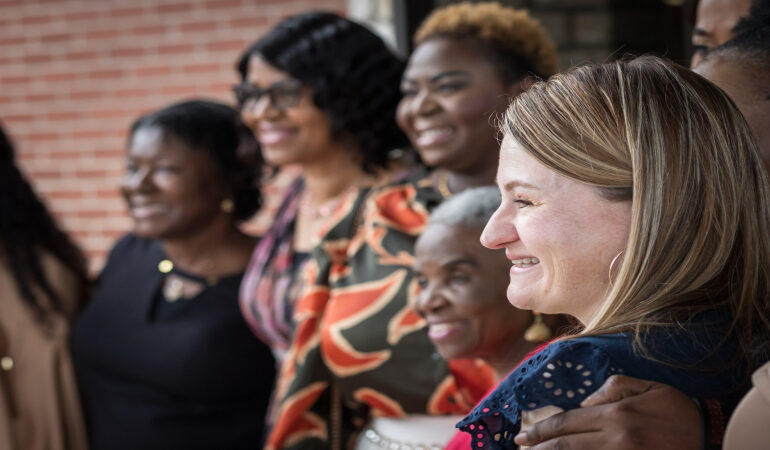

Across the world, discussions about women’s contributions to society have continued to evolve, influencing culture, governance, and community development. Within the Church, these conversations hold particular significance because women have long played essential roles in education, healthcare, and charitable outreach. Their influence has shaped communities in meaningful ways, even when their leadership has not always been formally recognized. As global expectations change and new opportunities emerge, the Church is reexamining how women contribute to mission work, pastoral life, and organizational guidance.
In recent years, attention has strengthened around how women participate in decision making and how their experiences can inform future paths for the Church. These discussions are not about replacing tradition but understanding how a global faith community can reflect the gifts and insights of all its members. As social challenges grow more complex, women’s leadership offers valuable perspectives for addressing issues related to family life, education, economics, and community well-being.
Historical Foundations and the Evolution of Women’s Roles
Women have always been part of the Church’s mission. From early Christian communities to modern global ministries, women have shaped spiritual life through teaching, service, and witness. Religious sisters founded hospitals, schools, and social programs that continue to serve millions. Their work helped define the Church’s presence in regions facing poverty, conflict, or limited infrastructure.
While many of these contributions took place outside formal governance structures, they demonstrate a long history of leadership rooted in compassion and responsibility. The growing recognition of women’s roles reflects a deeper understanding that leadership takes many forms, and that influence is not limited to official titles. As global awareness expands, the Church continues to affirm the importance of women’s contributions to its mission.
Increasing Participation in Institutional Leadership
Recent decades have seen an expansion of women’s involvement in administrative and advisory positions within the Church. They now serve on commissions, academic councils, diocesan offices, and various Vatican departments. These developments reflect a broader goal of including diverse perspectives in decision making, especially as the Church navigates global challenges that affect families and communities.
These appointments also help strengthen transparency and collaboration. Women often bring experience from education, healthcare, law, economics, and social work, contributing practical insights that support effective governance. Their participation demonstrates that the Church values both expertise and lived experience when addressing pastoral and societal concerns.
Women in Social Outreach and Global Mission
Women continue to play a central role in social outreach programs around the world. In areas affected by conflict, poverty, or environmental challenges, women religious and lay leaders serve on the front lines, offering education, healthcare, counseling, and humanitarian aid. Their presence helps stabilize communities and provides essential support to families facing difficult circumstances.
These contributions highlight how women’s leadership strengthens global mission work. Their ability to understand local needs, build trust, and create community-based solutions enhances the effectiveness of programs designed to protect vulnerable populations. This work demonstrates how leadership grounded in compassion can contribute to long term social resilience.
Challenges and the Path Forward
Despite progress, challenges remain in ensuring that women’s voices are consistently included in discussions that shape the Church’s future. Cultural expectations, regional differences, and organizational structures sometimes limit opportunities for participation. Addressing these challenges requires continued dialogue and cooperation between leaders, communities, and experts who understand the complexities of global pastoral needs.
The Church encourages ongoing reflection about how to support women’s education, strengthen their participation in leadership roles, and recognize their contributions more visibly. These discussions help ensure that the Church remains responsive to the diverse needs of its global membership while remaining grounded in its values and mission.
Conclusion
Women have played a vital role in the history and development of the global Church, and their leadership continues to expand across ministries, institutions, and community outreach. By recognizing their contributions and supporting opportunities for participation, the Church strengthens its mission and builds a more inclusive future. These efforts highlight the importance of collaboration, compassion, and shared responsibility in shaping a global community of faith.