The Vatican Bank’s New Approach to Low-Risk Global Holdings
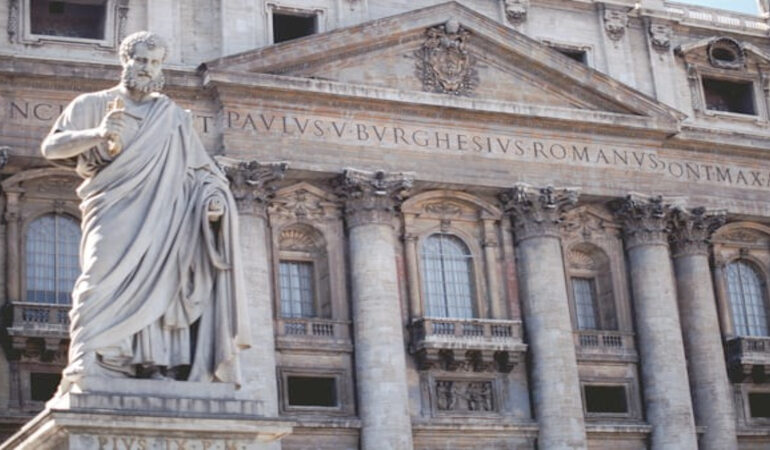

The Vatican Bank, formally known as the Institute for the Works of Religion, has spent the last several years reshaping its investment philosophy to strengthen long term stability. While the Church’s financial institutions have always placed emphasis on safeguarding resources, 2025 has brought a more deliberate focus on low risk global strategies. These developments reflect both the complexity of modern markets and the Church’s commitment to protecting funds that support pastoral work, charitable activity, and community outreach.
This shift does not represent a dramatic reinvention but rather a refining of methods designed to match the needs of a global faith community. As economic environments fluctuate, the Vatican Bank has prioritized consistency and durability over speculative opportunities. Its financial leadership believes that a steady approach aligned with ethical standards will provide the most reliable support for mission driven programs around the world.
Strengthening Stability Through Conservative Global Allocations
The most important aspect of the Vatican Bank’s updated approach is its renewed emphasis on conservative global holdings. This strategy centers on assets that historically show lower volatility and greater protection during market uncertainty. Such holdings often include high grade bonds, diversified international funds, and other instruments known for long term dependability. By expanding these positions, the Vatican aims to create a stable financial base that supports community projects regardless of conditions in individual markets.
This focus on low risk allocations also helps insulate church institutions from financial shocks that could disrupt essential programs. Many dioceses rely on investment performance to support education, healthcare, and missionary work. The bank’s leadership recognizes that safeguarding these initiatives requires a strategy that values predictability over aggressive returns. Through careful selection and measured diversification, the Vatican Bank works to ensure that global holdings remain aligned with both financial and ethical priorities.
The Role of Enhanced Risk Assessment
Another important part of the bank’s updated strategy involves strengthening risk assessment systems. Recent global events have shown that even historically stable assets can fluctuate unexpectedly. To address this, the Vatican Bank has adopted broader evaluation methods that incorporate geopolitical analysis, regional economic indicators, and long term demographic forecasts. These assessments provide a clearer picture of how different regions may behave under stress and help guide allocation decisions.
This enhanced approach supports a more balanced portfolio that reflects a global perspective rather than reliance on any single market. By monitoring risks with greater precision, the bank can adjust its holdings before small concerns become larger vulnerabilities. This contributes to a more resilient system capable of supporting long term commitments across continents.
Aligning Ethical Guidelines With Modern Market Practices
Ethics remain central to every investment decision made by the Vatican Bank. The updated approach includes a reexamination of how low risk assets align with the Church’s teachings on human dignity, responsible labor practices, and community well being. Ethical screens continue to guide investment selection, ensuring that financial stability does not come at the expense of core values.
This alignment also allows the Church to set an example for other faith based institutions that seek to combine financial reliability with mission driven principles. By demonstrating that stable global holdings can reflect both prudence and moral integrity, the Vatican Bank strengthens its reputation as a careful steward of community resources. This dual commitment helps maintain trust among Catholics who expect institutional finances to reflect the values preached by the Church.
Improving Transparency Around Investment Structure
A growing area of emphasis involves improving communication about how the Vatican Bank manages its low risk global holdings. Transparency supports confidence, especially among Catholics who contribute to the Church’s global activities. While not disclosing sensitive information, the bank has increased reporting that outlines general risk strategies, ethical guidelines, and long term performance trends.
Clearer communication helps the public understand how financial decisions support the Church’s broader mission. It also reinforces accountability and demonstrates that the bank is operating with foresight and discipline. As global expectations for transparency continue to rise, these efforts help strengthen the relationship between the Church’s financial institutions and the worldwide community they serve.
Conclusion
The Vatican Bank’s new approach to low risk global holdings reflects a commitment to stability, ethical alignment, and detailed risk assessment. By focusing on dependable assets and strengthening transparency, the bank supports long term mission work while navigating a changing economic landscape. This strategy highlights the importance of responsible stewardship in sustaining the global activities of the Church.