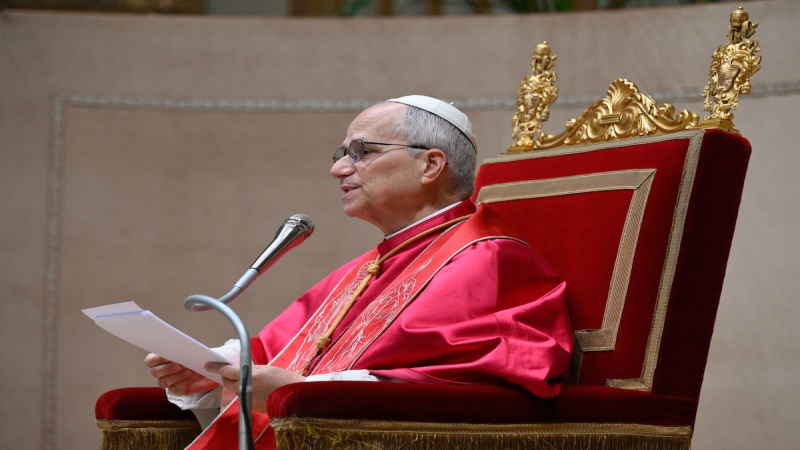


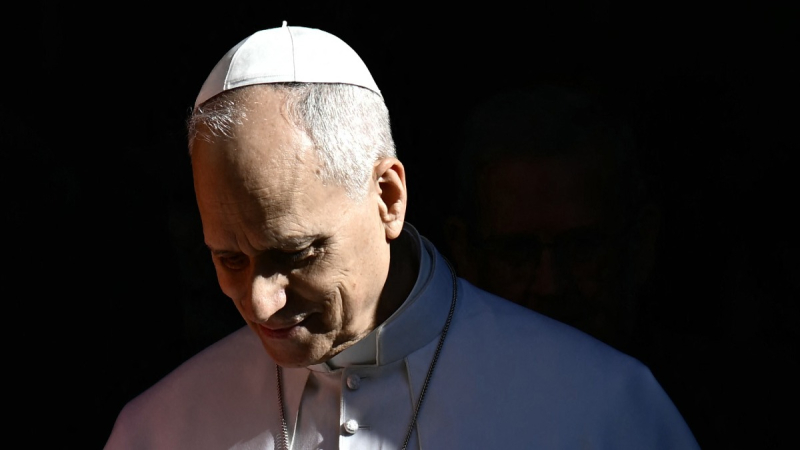
The Vatican’s Expanding Role in Global Peace Dialogues

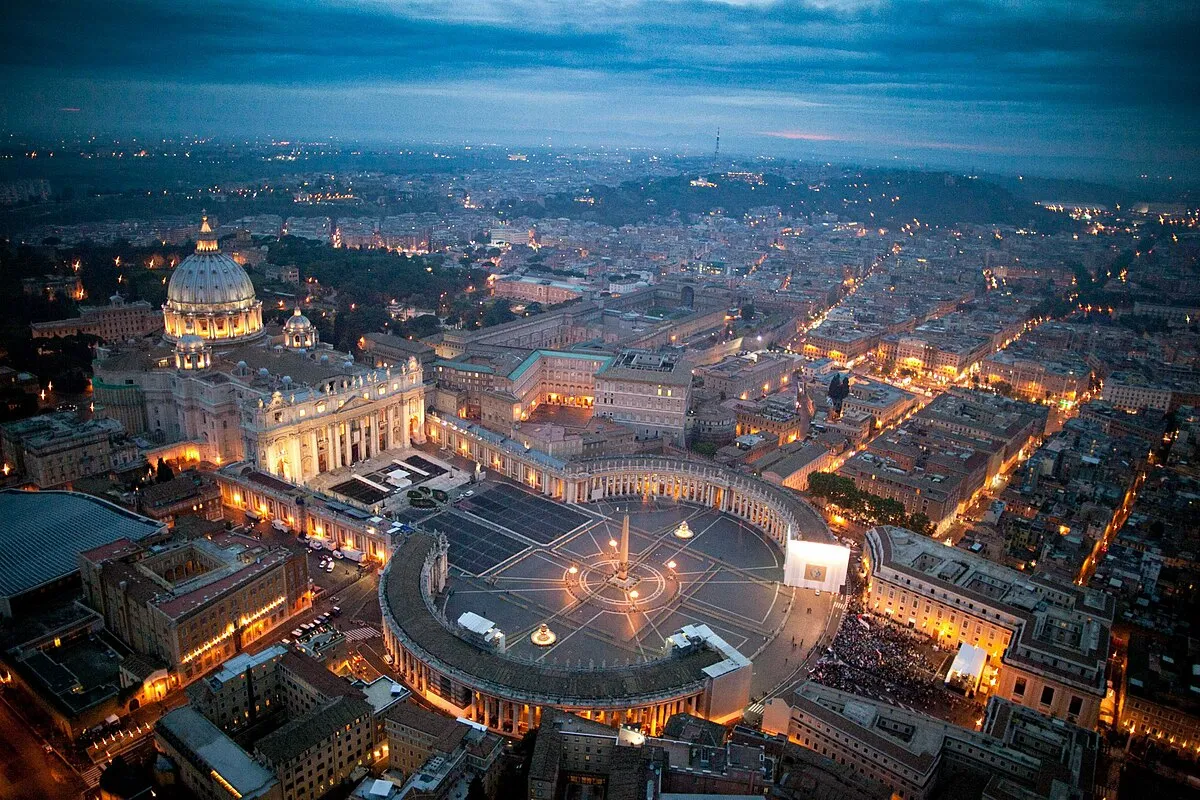
The Vatican has emerged as a significant actor in global diplomacy through a faith-based approach that prioritizes peace, reconciliation, and moral persuasion. Its soft power extends far beyond its territorial boundaries, allowing it to engage with nations in conflict and to mediate humanitarian crises through dialogue rooted in shared values. The Vatican’s foreign policy emphasizes moral credibility over political dominance, giving it access to both secular and religious leaders who seek common ground during periods of geopolitical tension.
Papal Engagement in Conflict Mediation
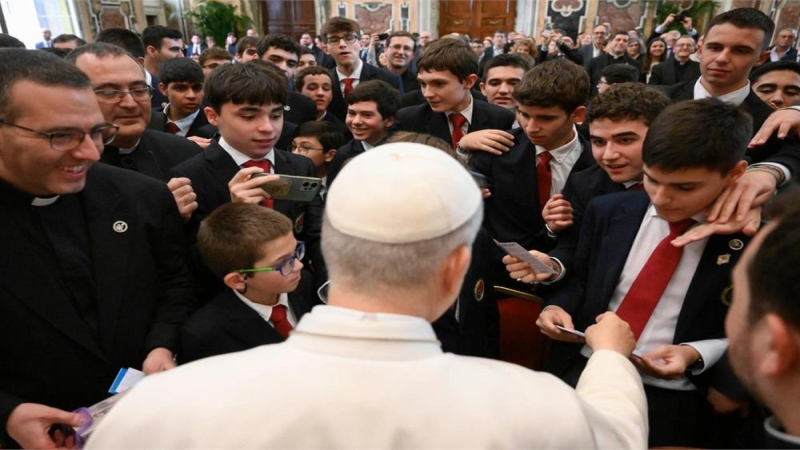
Pope Francis continues to strengthen the Holy See’s mediation role in modern conflicts. The Vatican’s neutral stance and moral authority have made it an effective intermediary in disputes across Latin America, Africa, and Eastern Europe. Vatican envoys have worked quietly to support ceasefire initiatives and prisoner exchanges, often in coordination with United Nations representatives and regional peace councils. The Pope’s interventions are characterized by humanitarian concern rather than political leverage, and this makes the Vatican a unique diplomatic partner in resolving conflicts driven by ideology, poverty, or territorial claims.
Reinforcing Multilateral Cooperation
The Vatican participates actively in international organizations such as the United Nations, the Organization for Security and Co-operation in Europe, and the African Union observer networks. Its contributions focus on peacebuilding, disarmament, and humanitarian relief. The Holy See regularly submits position papers that advocate for ethical decision-making in global governance, highlighting the moral dimension of issues like nuclear non-proliferation, refugee protection, and environmental sustainability. These efforts aim to strengthen global dialogue frameworks that align political actions with ethical responsibility.
Moral Framework for Peace Processes
The Vatican’s peace initiatives are guided by a consistent moral framework based on human dignity and the sanctity of life. Rather than dictating solutions, the Church provides an ethical lens through which conflicting parties can reexamine their priorities. In peace negotiations, Vatican representatives emphasize forgiveness, reconciliation, and social justice as indispensable components of lasting peace. This approach reflects the belief that true stability cannot be achieved through military or economic dominance but through the transformation of moral and social relationships.
Regional Dialogues and Field Missions
The Vatican has expanded its diplomatic presence through field missions in Africa, Asia, and the Middle East. Apostolic nuncios serve as both ambassadors and moral advisors, working closely with governments, NGOs, and interfaith organizations. In regions affected by religious conflict, such as the Sahel and the Levant, these missions promote community-based peace programs that combine education, healthcare, and interreligious dialogue. The Vatican’s humanitarian agencies, including Caritas Internationalis, coordinate closely with local partners to ensure that peace efforts are accompanied by tangible support for affected populations.
Interfaith Partnerships and Shared Responsibility
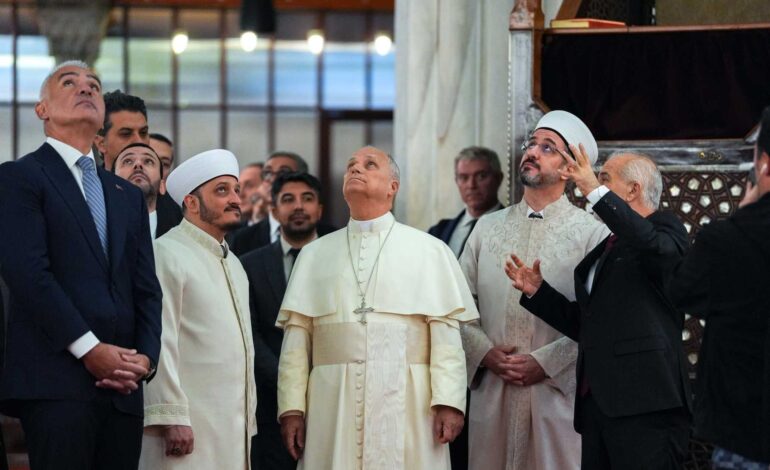
One of the defining aspects of the Vatican’s diplomacy is its investment in interfaith collaboration. Pope Francis has emphasized that lasting peace requires cooperation among religions that influence billions of people worldwide. Dialogues with Muslim, Jewish, Hindu, and Buddhist leaders have produced joint declarations on combating extremism, protecting refugees, and promoting human fraternity. The 2019 Document on Human Fraternity signed in Abu Dhabi marked a milestone in interfaith diplomacy, setting a model for mutual respect and peaceful coexistence. These partnerships demonstrate how religious ethics can strengthen international peacebuilding strategies.
Humanitarian Diplomacy and Global Crises
The Vatican’s diplomatic service operates at the intersection of faith and humanitarianism. During global crises, it leverages its moral capital to mobilize aid and advocate for vulnerable populations. The Pope’s appeals for Gaza, Sudan, and Ukraine highlight the Vatican’s commitment to universal compassion. The Holy See works with international charities and secular organizations to ensure that aid distribution respects human rights and local autonomy. Humanitarian diplomacy thus becomes a key pillar of Vatican foreign policy, reinforcing its mission to serve peace through solidarity.
Education and Peace Formation
The Vatican promotes peace not only through policy but also through education. Catholic universities and institutes have launched peace studies programs that integrate theology, political science, and social development. These institutions train diplomats, scholars, and activists who are prepared to apply faith-based principles to modern diplomacy. The Vatican’s Global Compact on Education encourages governments and educators to cultivate empathy and moral awareness as tools for conflict prevention. The initiative reflects the Church’s belief that education grounded in ethics is essential for a sustainable culture of peace.
Digital Dialogue and Global Connectivity
Recognizing the power of digital platforms in shaping public opinion, the Vatican now uses media channels to promote messages of peace and human solidarity. The Vatican News service, Pontifical Academy of Social Sciences, and official papal social media accounts regularly publish appeals for dialogue and understanding among nations. By engaging online communities, the Church seeks to humanize diplomatic discourse and counteract disinformation that fuels division. Digital dialogue has become a modern extension of the Vatican’s centuries-old tradition of moral diplomacy.