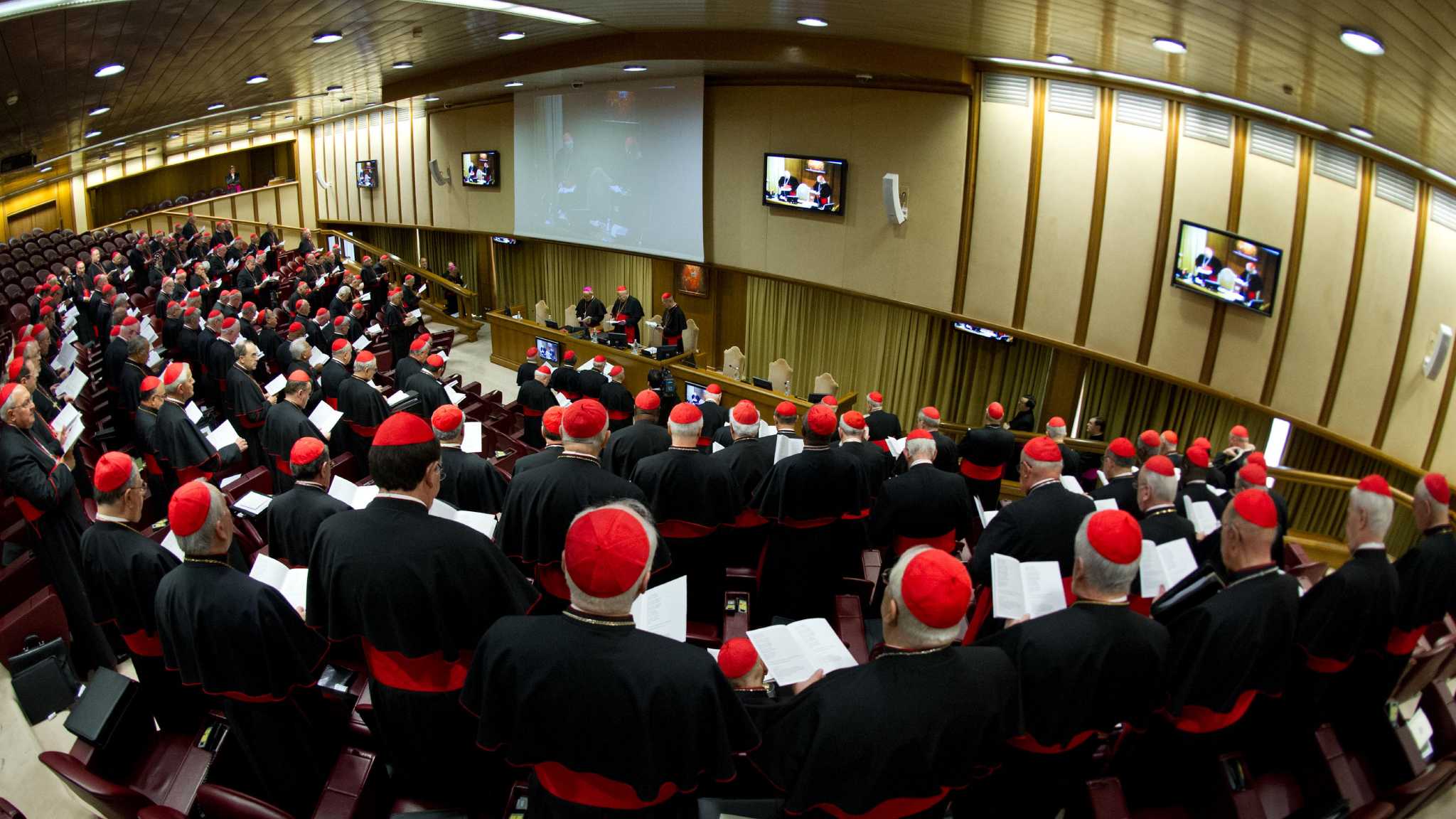
The Vatican’s Legal Strategy in an Age of Expanding State Authority
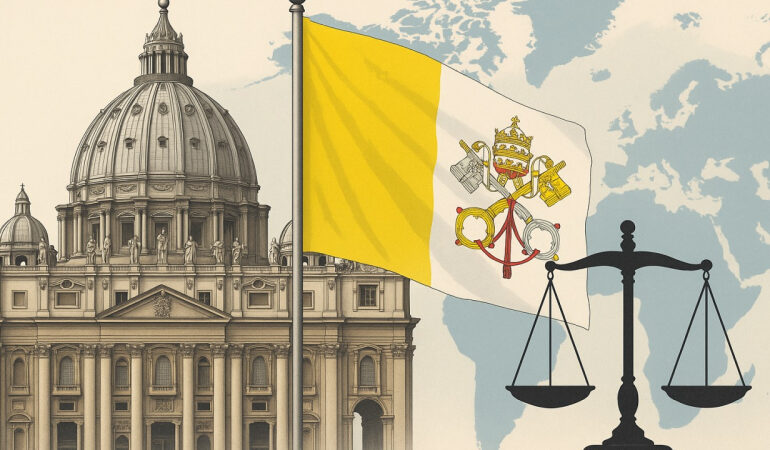

Across much of the world, state authority is expanding through regulation rather than decree. Governments increasingly shape social life through legal frameworks that affect education, healthcare, employment, and civil participation. For the Vatican, this environment requires a legal strategy that goes beyond reacting to individual disputes and instead addresses deeper structural realities.
The Holy See approaches these developments with long-term awareness. Rather than framing legal engagement as confrontation, it treats law as a field of sustained dialogue. The Vatican’s legal strategy is designed to protect religious freedom while remaining engaged within modern legal systems that continue to grow in scope and complexity.
Defending Religious Freedom as a Structural Principle
At the center of the Vatican’s legal strategy is the defense of religious freedom as a structural principle rather than a situational claim. Religious freedom is understood not only as personal belief, but as the right of communities and institutions to live according to faith.
As state authority expands, this principle faces pressure. Regulations often assume uniform standards that overlook moral and religious distinction. The Vatican responds by articulating religious freedom as essential to pluralism and democratic life, not as an exception to law.
Engagement Rather Than Withdrawal
The Vatican does not seek isolation from legal systems. Its strategy emphasizes engagement rather than withdrawal. Through diplomatic channels, legal submissions, and international advocacy, the Holy See remains present where norms are formed and interpreted.
This engagement reflects realism. Modern governance will continue to rely on regulation. By participating constructively, the Vatican aims to shape how law understands religious identity rather than rejecting legal authority altogether.
International Law and Global Norms
A key component of the Vatican’s strategy involves international law. Human rights frameworks provide language and structure for defending religious freedom across borders. The Holy See consistently situates its arguments within these widely recognized norms.
This approach allows the Vatican to address legal pressure without relying solely on national contexts. By appealing to shared principles, it reinforces the legitimacy of religious freedom within global governance systems.
Strategic Use of Legal Reasoning
Rather than appealing primarily to theology, the Vatican often uses legal reasoning when engaging courts and policymakers. Arguments are framed around constitutional principles, human rights, and institutional autonomy.
This strategy acknowledges the language of modern law. By speaking within that framework, the Vatican increases the likelihood of being understood and taken seriously. Legal reasoning becomes a bridge between moral conviction and public authority.
Protecting Institutional Autonomy
Institutional autonomy remains a major focus. Catholic schools, hospitals, and charities operate within public systems while maintaining religious identity. Expanding state authority often challenges this balance.
The Vatican’s legal strategy seeks recognition that autonomy is not opposition to law, but a condition for genuine pluralism. Institutions that serve the public can do so faithfully when law respects moral purpose alongside regulatory goals.
Anticipating Long-Term Legal Trends
Unlike reactive litigation, the Vatican’s approach is anticipatory. Legal engagement considers how current rulings may shape future frameworks. This forward looking posture reflects awareness that today’s precedents influence tomorrow’s boundaries.
By addressing underlying assumptions about neutrality and uniformity, the Vatican seeks to prevent erosion of religious freedom before it becomes irreversible. Strategy, in this sense, is about prevention as much as defense.
Authority, Law, and Moral Responsibility
The Vatican recognizes legitimate state authority. Its strategy does not deny the role of law in protecting the common good. Instead, it emphasizes that moral responsibility and legal authority must coexist.
When law acknowledges moral diversity, society benefits from broader participation. The Vatican’s legal engagement seeks balance rather than dominance, ensuring that expanding authority does not extinguish ethical plurality.
Conclusion
In an age of expanding state authority, the Vatican’s legal strategy reflects patience, engagement, and principle. By defending religious freedom through legal reasoning and international norms, the Holy See seeks to preserve moral autonomy within modern governance. This approach recognizes law as a lasting arena of dialogue, where the future of pluralism and religious expression will continue to be shaped.