

The Vatican’s Relationship with European Banking: Partnerships, Dependencies, and Strategic Positioning
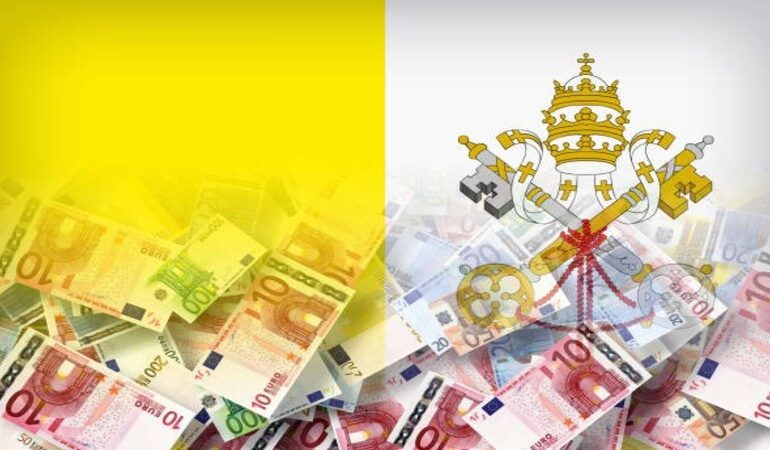

The Vatican’s financial interactions with European banking systems have developed over many decades, shaped by geography, diplomacy and historical ties. As a sovereign city-state surrounded entirely by Italy, the Holy See inevitably relies on European financial infrastructure for global operations. This relationship affects everything from currency management to international transfers, making European banking a key component of Vatican financial stability.
For readers seeking a clear, analytical perspective, the Vatican’s connections with European banks reveal a mixture of cooperation, regulatory alignment and strategic dependency. These relationships help support the Church’s global mission but also require careful navigation. Examining these dynamics offers insight into how the Holy See maintains its financial presence amid Europe’s evolving economic landscape.
How European Banks Support Vatican Financial Operations
European banks play a central role in facilitating the Vatican’s international transactions, asset management and administrative functions. Because the Vatican does not operate as a full-scale commercial banking entity, it relies on European institutions for external transfers, currency exchange and access to global payment systems. These partnerships allow the Holy See to channel funds efficiently to dioceses, charitable agencies and mission centers around the world.
Many of these relationships are longstanding, especially with Italian financial institutions. Historical proximity and shared infrastructures have strengthened cooperation. European banks provide liquidity support and hold accounts used for various Vatican operations. This structure allows the Vatican to maintain financial continuity without duplicating extensive external banking networks.
Regulatory Alignment and Compliance Responsibilities
As financial regulations in Europe have grown more stringent, the Vatican has adapted its practices to align with international standards. European banking partners require compliance with anti-money-laundering rules, transparency protocols and enhanced due diligence procedures. Meeting these requirements has influenced Vatican internal reforms and encouraged clearer documentation and oversight.
These regulatory expectations shape how Vatican financial offices operate. In order to maintain partnerships, the Holy See must uphold credible governance practices that satisfy both ethical and legal frameworks. This interplay has helped accelerate modernization efforts within Vatican institutions, strengthening accountability while maintaining essential access to European financial networks.
Strategic Positioning Within the European Economic Sphere
Although the Vatican is not an economic powerhouse, its financial positioning within Europe reflects a careful balance between independence and interdependence. The Holy See manages its own internal financial structures while strategically relying on European banks for external functions. This creates a hybrid model where sovereignty is preserved but operational efficiency benefits from regional collaboration.
European financial stability also affects Vatican operations. Because much of its activity depends on cross-border transfers and investments, economic conditions in Europe can influence mission funding, asset performance and administrative planning. Strategic diversification helps mitigate these risks, but the regional connection remains significant. The Vatican therefore monitors European financial trends closely as part of its long-term planning.
Diplomatic and Cultural Dimensions of Banking Partnerships
Financial interactions between the Vatican and European banks extend beyond practical transactions. Diplomatic relationships contribute to cooperation, especially through nunciatures and long-standing cultural ties. Trust built through historical interactions helps sustain partnerships even as regulatory environments shift.
These cultural connections facilitate smoother communication and mutual understanding between institutions. Collaboration between church networks and European financial offices helps support global humanitarian work, educational systems and relief operations. The relationship is therefore not purely economic but embedded in a broader framework of shared history and institutional familiarity.
Conclusion
The Vatican’s relationship with European banking is shaped by strategic cooperation, regulatory alignment and historical ties. These partnerships support global mission work, reinforce financial stability and help integrate Vatican operations within a modern economic environment.