
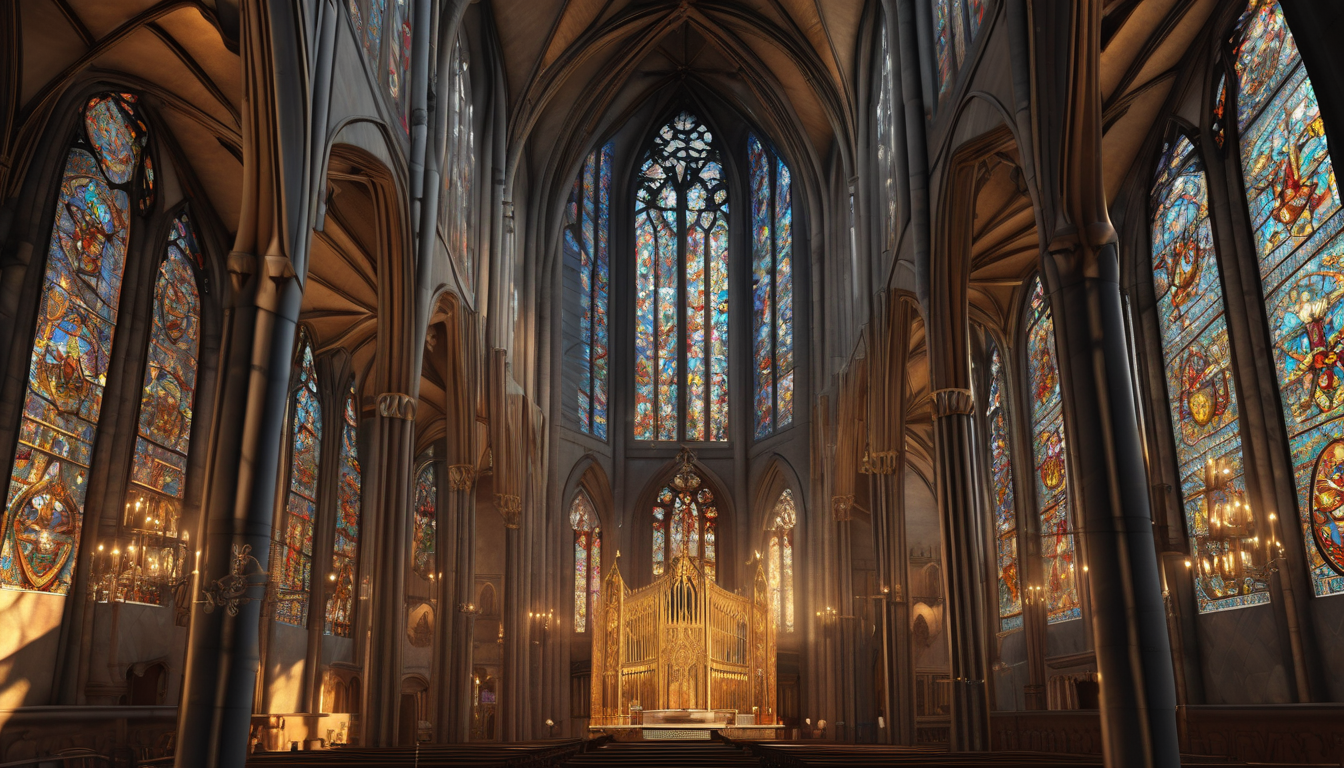
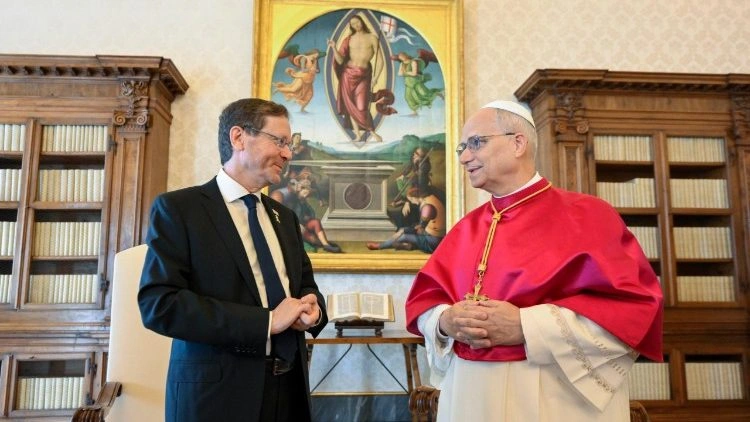
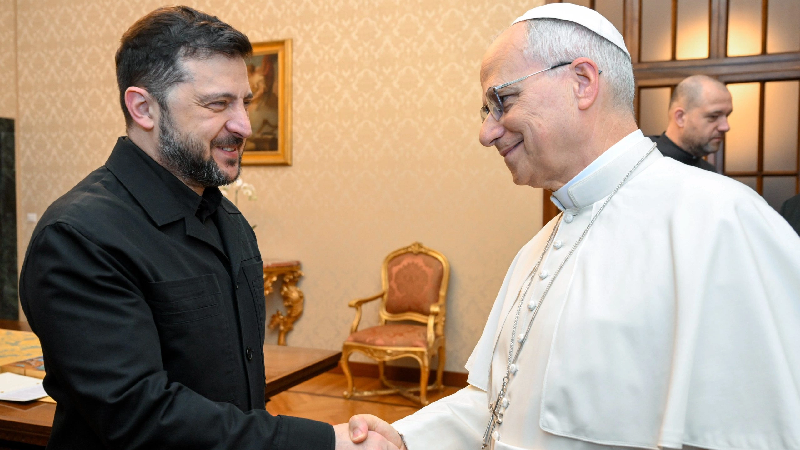
The Way of the Cross in the Holy Land Draws Pilgrims Amid Deep Spiritual Reflection
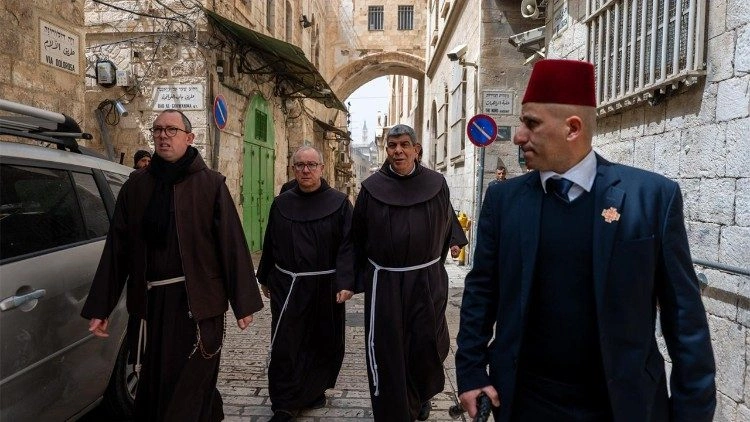

The Way of the Cross in the Holy Land continues to hold profound spiritual significance for Christians around the world, as pilgrims gather to retrace the path believed to have been walked by Jesus Christ on the day of his crucifixion. The tradition, especially observed during the period of Holy Week, draws visitors who seek a deeper connection to their faith through prayer, reflection, and symbolic participation in the final journey of Christ. The route passes through historic streets filled with centuries of religious heritage and devotion.
Pilgrims walk along the Via Dolorosa in Jerusalem, stopping at stations that mark key moments of suffering and sacrifice. Each stop represents a significant event, from condemnation to crucifixion, allowing participants to meditate on themes of endurance, compassion, and redemption. Clergy members often lead prayers and readings at each station, creating a solemn and unified atmosphere that resonates deeply with those taking part.
The experience is not only a personal act of faith but also a collective expression of tradition that has been preserved for generations. Religious communities from different parts of the world join together, reflecting the universal nature of the observance. Despite modern challenges and regional tensions, the practice continues to attract both local believers and international visitors, highlighting the enduring importance of the Holy Land as a center of spiritual life.
Church leaders emphasize that the Way of the Cross serves as a reminder of resilience and hope, encouraging believers to reflect on the values of sacrifice and forgiveness in their daily lives. The journey also brings attention to the broader context of peace and unity in the region, as participants often pray not only for personal intentions but also for stability and reconciliation in areas affected by conflict.
As Holy Week progresses, the observance remains a powerful symbol of faith and devotion, with thousands continuing to walk the historic path each year. The event reinforces the deep connection between religious tradition and place, offering a meaningful experience that transcends borders and generations while preserving one of Christianity’s most sacred practices.