
Theological Discourse on Technology and AI
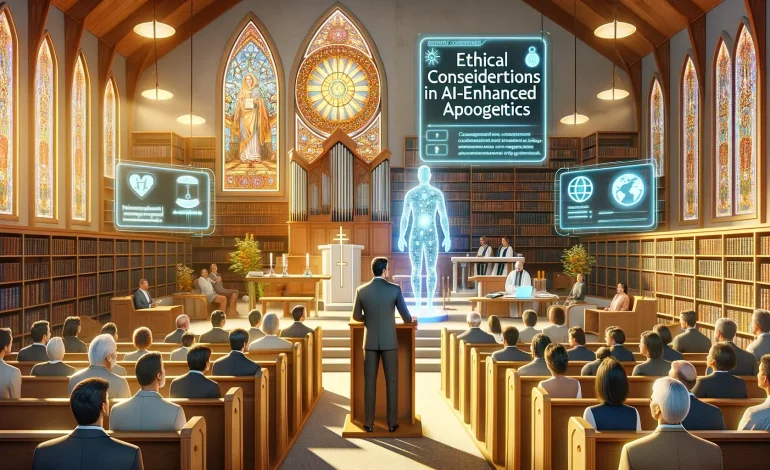

The rapid growth of artificial intelligence has raised questions that go beyond engineering and data science. It has challenged society to ask what it truly means to be human, to create, and to make moral choices. Theological reflection on technology is no longer an abstract academic exercise. It has become an essential dialogue about ethics, responsibility, and the preservation of human dignity in a world where machines increasingly shape thought and behavior.
The Church has long encouraged an open and reasoned engagement with science and innovation. From the early scholars who built bridges between theology and natural philosophy to the papal teachings that affirm the moral dimensions of progress, faith has sought to understand technology not as a rival but as a partner in human flourishing. Yet, artificial intelligence brings a new intensity to that dialogue. The question is not only how we use AI, but how AI might redefine the meaning of creation and freedom itself.
The Ethical Challenge of Artificial Intelligence
Artificial intelligence is built on algorithms that learn from data, interpret human patterns, and make predictions. While this offers vast potential for solving complex problems, it also introduces deep moral questions. Who is responsible when an algorithm discriminates? How should societies balance innovation with justice? What happens to human agency when decisions once made by people are turned over to machines?
From a theological perspective, these are questions about stewardship and the limits of human authority. Humanity has been entrusted with creativity, but also with accountability. When technology operates without moral grounding, it risks becoming detached from the values that sustain life and community. The Church reminds us that progress without ethics leads not to liberation but to dependency and inequality.
AI also forces a rethinking of work and purpose. Automation is reshaping industries, often displacing human labor and redefining economic value. Faith traditions emphasize that work is not merely a means of earning a living but a participation in creation. As automation grows, societies must ensure that technology enhances human dignity rather than diminishes it. This calls for policies rooted in fairness, solidarity, and care for those left behind.
The Moral Dimension of Creation
One of the profound questions AI raises is about the act of creation itself. When humans build machines that can learn, decide, and even generate art or language, what does it mean to say that humanity is made in the image of God? The theological answer is not found in opposition to technology but in its responsible use.
Technology, when guided by ethical intention, becomes a reflection of humanity’s creative capacity. It mirrors the divine gift of reason and imagination. But when used without moral reflection, it can distort creation, replacing empathy with efficiency. The Church, therefore, calls for what it terms moral discernment in technological development, a deliberate, patient process of evaluating how each innovation serves or harms the human person.
This is especially relevant in the age of artificial intelligence, where the boundaries between human creativity and machine-generated imitation are blurring. True creation, in the theological sense, involves intention, love, and relationship. These are qualities machines cannot replicate, and preserving them is essential for maintaining the distinction between human and artificial intelligence.
Faith, Freedom, and the Future of AI
The Church’s dialogue on technology is not limited to critique. It seeks to guide societies toward a vision of progress that unites innovation with compassion. Faith-based institutions can serve as moral anchors in debates about digital ethics, promoting the idea that technological power must always serve human good.
AI governance, privacy, and accountability require moral insight as much as technical skill. Theological reflection helps shape these discussions by reminding the world that freedom cannot exist without moral responsibility. The right to innovate is inseparable from the duty to ensure that innovation uplifts, rather than undermines, humanity.
In this vision, the Church does not reject AI but engages it as a partner in human development. By advocating transparency, fairness, and respect for creation, theology brings depth to the conversation about artificial intelligence. It encourages societies to view technology not as a tool of dominance but as a shared responsibility for the future of life.
As nations and corporations race to lead in AI, the voice of faith offers a necessary counterbalance. It asks the timeless questions that technology alone cannot answer: What kind of world are we building? Who benefits from progress? How do we preserve compassion in the face of automation? These questions do not slow innovation; they humanize it.
The dialogue between theology and technology is ultimately about balance. It invites reflection on how creation, reason, and ethics can coexist. Artificial intelligence has the power to transform the world, but whether that transformation leads to justice or division will depend on whether humanity remembers its moral calling. The task of faith, then, is not to resist technology but to remind it of its purpose to serve life, truth, and the common good.