Tivoli Travertine That Built St. Peter’s Square Now Shapes Manhattan Temple
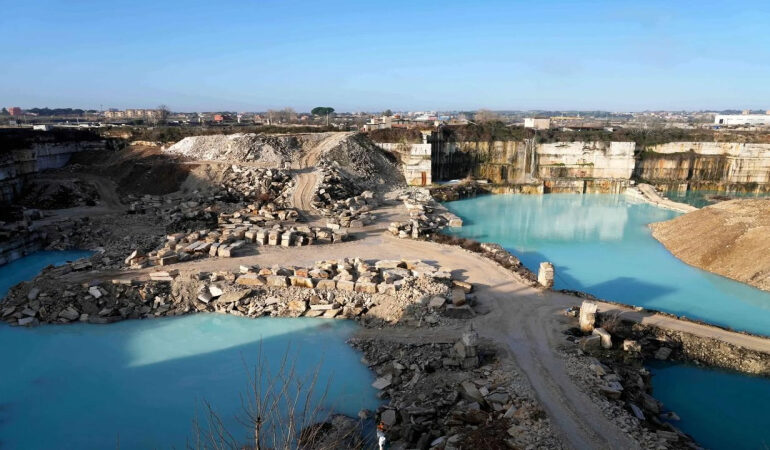

The travertine stone that helped define the architectural identity of Rome and the Vatican is once again being shaped for a major religious project, this time far from Italy. The quarries near Tivoli that supplied material for St. Peter’s Square and its iconic colonnade are now providing stone for a temple of The Church of Jesus Christ of Latter day Saints in New York City.
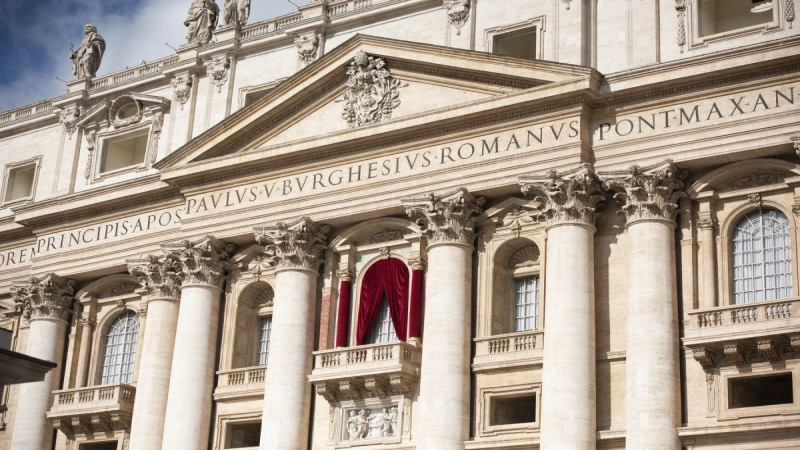
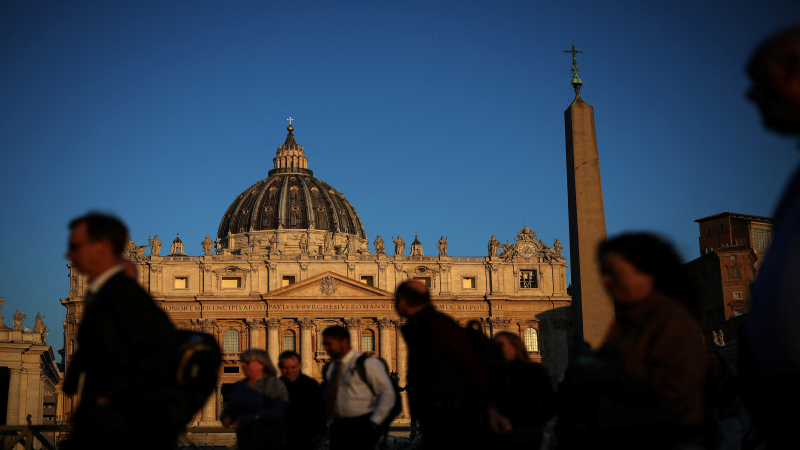
For centuries, the sulfur rich basins around Tivoli, located east of Rome, have yielded lapis tiburtinus, now known as travertine. Ancient Romans used it to construct landmarks including the Colosseum. In the seventeenth century, architect Gian Lorenzo Bernini selected Tivoli travertine for the sweeping colonnade that embraces pilgrims in St. Peter’s Square. Today, the same material is being cut and prepared for the restoration of a Manhattan temple on the Upper West Side.
The Mariotti Carlo SpA stonecutting firm, a family business operating for four generations, is overseeing the carving and finishing of the stone. The company has long supplied travertine for global projects ranging from museums to government headquarters. It previously provided stone for the Rome temple of the Latter day Saints and has now been selected again for work in New York.
Travertine from Tivoli is prized for its durability and distinctive character. Formed hundreds of thousands of years ago through mineral deposits from sulfuric springs, the stone contains layers that reflect the region’s volcanic and geological history. Architects value its strength and versatility. Depending on how it is cut, it can appear sleek and polished or retain a textured surface marked by small cavities and veins in shades of white, beige and gray.
At the Degemar quarry, heavy machinery extracts blocks weighing dozens of tons from underground levels that extend below sea level. Sulfur pools shimmer nearby while workers prepare stone for transport. Though modern equipment has replaced the rafts once used to float stone toward Rome, the essential craft of selecting and shaping travertine remains rooted in tradition.
The choice of Tivoli travertine for a Mormon temple highlights the stone’s global appeal and its symbolic resonance. In Rome, it represents continuity with the classical and Christian past. In New York, it will contribute to a structure that stands across from Lincoln Center and other buildings also constructed with Italian travertine decades ago.
Civil engineering experts note that travertine’s longevity is evident in the endurance of Rome’s ancient monuments. Unlike marble, which can deteriorate more quickly under exposure, travertine has withstood centuries of weather and urban life. Its understated appearance reflects what some describe as the character of Rome itself, solid and enduring rather than ornate.
From the colonnade of St. Peter’s Square to a temple rising in Manhattan, Tivoli’s quarries continue to shape sacred architecture across traditions and continents, carrying forward a material legacy that spans more than two millennia.