Tourists barred from viewing The Last Supper as Olympic VIPs gain special access in Milan
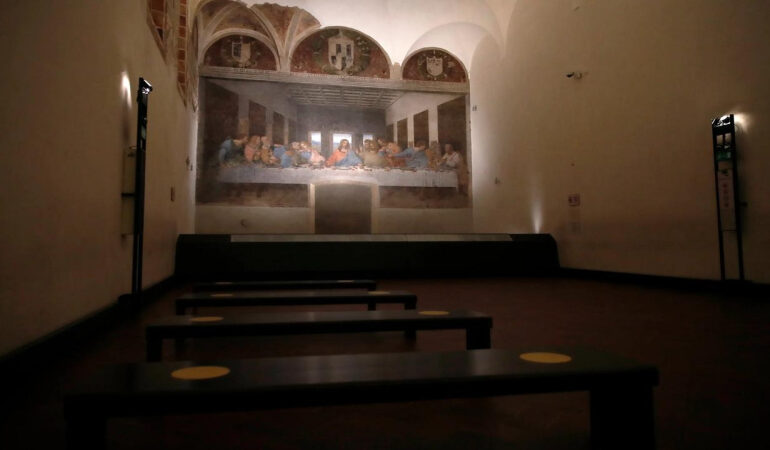

Visitors arriving in Milan during the Winter Olympics with hopes of seeing The Last Supper were met with frustration after public access to the famed artwork was suspended for several days, even as high profile Olympic guests were quietly allowed inside. The decision sparked disappointment among tourists and raised questions about fairness, transparency and the balance between cultural heritage and diplomatic privilege.
Leonardo da Vinci’s masterpiece, housed in the refectory of the Convent of Santa Maria delle Grazie, is one of the most visited religious and artistic landmarks in Italy. Painted between 1494 and 1498, the work attracts art lovers and Catholic pilgrims from around the world. During the Olympic period, however, the site was closed to the public for three and a half days, with no clear explanation provided to those turned away at police cordons surrounding the church.
Several visitors said they had planned their trips around seeing the painting and were unaware of the closure. Some, visiting Milan only briefly, said they would not have traveled to the city had they known the landmark would be inaccessible. Staff at the site reportedly said they were not authorized to give details, while a sign outside simply announced the closure dates without further clarification.
While ordinary tourists waited outside, selected delegations and dignitaries were granted access. Among them was JD Vance, who visited with his family shortly after attending the Olympic opening ceremony and meeting Italian Prime Minister Giorgia Meloni. Vance, who converted to Catholicism in 2019, has spoken publicly about the role of faith in his life and has previously visited Rome and the Vatican.
According to officials overseeing the site, delegations from several countries, including China, Poland, Hungary and Bulgaria, were also permitted to visit during the restricted period. Angelo Crespi, director of Grande Brera, which manages both The Last Supper and the Brera Art Gallery, said such visits were part of a broader responsibility that includes international relations as well as tourism.
The special access drew criticism from local residents as well. Streets near Santa Maria delle Grazie were blocked, public transport routes were altered without notice and everyday movement in the neighborhood was disrupted. Some Milan residents questioned why large areas were shut down so that a limited number of VIPs could view the artwork while citizens and visitors were excluded.
The Last Supper is preserved under strict conservation rules due to its fragile condition. Unlike traditional frescoes, Leonardo used a dry painting technique that made the mural vulnerable to humidity, temperature changes and deterioration. Over centuries, the artwork survived neglect, wartime damage and multiple restorations, including severe harm during World War II bombings. Today, visits are limited to small groups for short periods under carefully controlled environmental conditions.
The painting depicts the moment Jesus announces that one of his disciples will betray him, with Christ at the center and the apostles arranged in groups that convey shock and emotion. Its religious and cultural significance continues to resonate worldwide.
For many visitors barred during the Olympic closures, the episode left a lasting sense of exclusion. While the Games brought global attention to Milan, some felt the city’s most iconic spiritual and artistic treasure became inaccessible to those who came seeking beauty, history and faith rather than political spectacle.