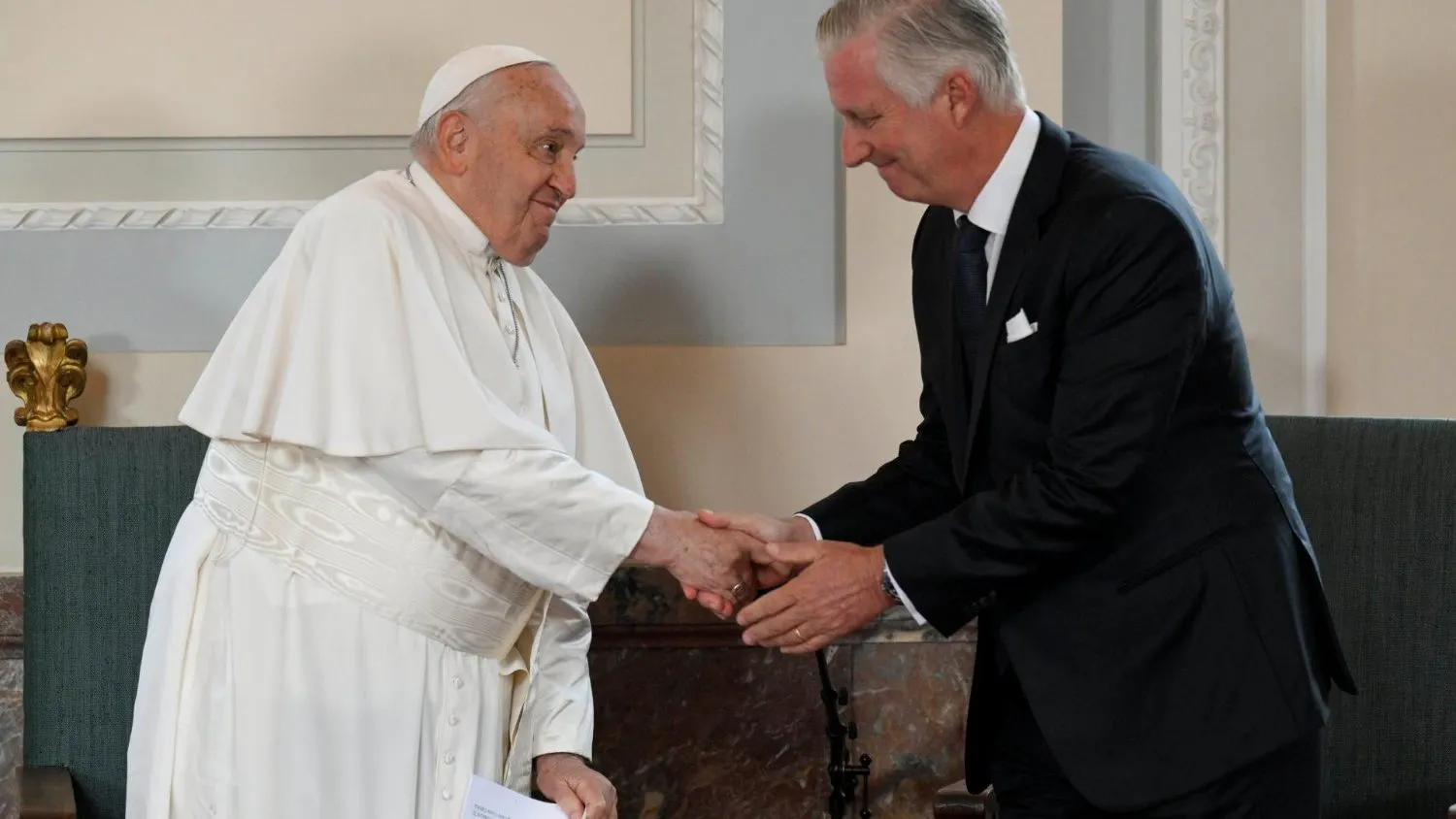




Transparency as Witness How Financial Reform Has Become a Moral Issue Inside the Vatican
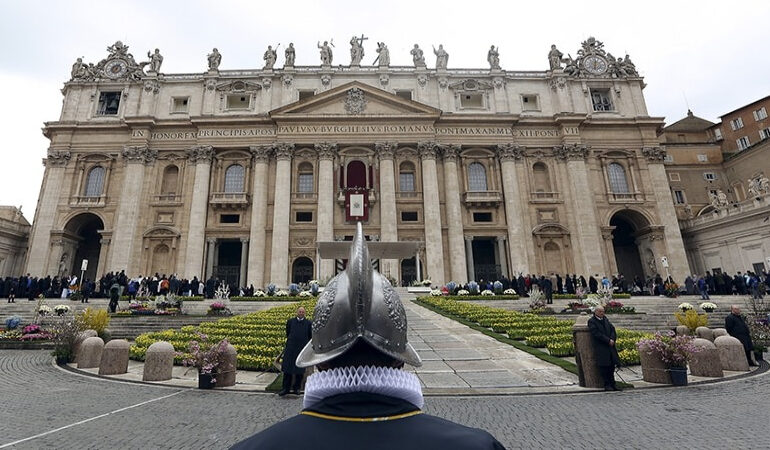

For much of its history, the Vatican’s financial administration operated quietly in the background of ecclesial life. Economic matters were often treated as technical necessities rather than expressions of moral responsibility. In recent years, that separation has become increasingly difficult to maintain. Financial governance is now widely understood as part of the Church’s public witness.
As the global Church navigates heightened expectations around accountability, the Vatican has come to recognize that how resources are managed speaks directly to credibility. Financial reform is no longer framed solely as an institutional requirement. It is increasingly understood as a matter of ethical coherence, stewardship, and trust with the faithful.
Transparency as an Expression of Moral Credibility
Within the Church, moral teaching has always been linked to lived example. When economic practices appear opaque or misaligned with stated values, the gap damages credibility. Vatican financial reforms have therefore taken on a symbolic weight that extends beyond balance sheets and audits.
Transparency is now presented as a form of witness. Clear reporting, oversight, and accountability signal that the Church applies to itself the same ethical standards it proposes to the world. This shift reflects a growing awareness that moral authority is sustained not only by doctrine, but by integrity in administration.
The emphasis on transparency also acknowledges the reality of a global Church. Catholics across continents contribute resources with the expectation that they will be managed responsibly and in service of mission rather than privilege.
Stewardship Rooted in Mission Rather Than Expansion
A central theme of recent reform efforts is stewardship. The language surrounding Vatican finances has moved away from growth or accumulation and toward sustainability and purpose. Resources are increasingly framed as tools for service rather than assets for institutional expansion.
This perspective aligns financial decisions with pastoral priorities. Budgets, investments, and expenditures are evaluated in light of their contribution to evangelization, charity, and the functioning of essential ecclesial structures. Financial discipline becomes a way of protecting mission rather than limiting it.
Such an approach also invites restraint. The moral weight of financial decisions is measured not only by legality, but by proportionality and intention. Stewardship requires asking not only what is permissible, but what is fitting for the Church’s role in the world.
Trust and the Relationship With the Faithful
Trust stands at the heart of financial reform. When governance lacks clarity, suspicion fills the void. For a Church that relies on voluntary support, trust is essential. Vatican efforts to standardize procedures and improve oversight respond directly to this reality.
These reforms acknowledge that the faithful are not distant observers. They are stakeholders in the Church’s mission. Clear governance fosters a sense of shared responsibility rather than passive contribution. It reassures donors that their support serves the common good of the Church.
Rebuilding trust is a gradual process. It requires consistency over time and a willingness to address past shortcomings openly. Transparency does not eliminate error, but it creates conditions where correction is possible and credibility can be restored.
Ethical Governance in a Global Context
The Vatican’s financial reform also takes place within a broader global environment shaped by heightened scrutiny of institutions. Expectations around compliance, accountability, and ethical governance are now universal. The Church does not operate outside these realities.
At the same time, the Vatican’s approach seeks to avoid reducing governance to purely secular norms. Ethical administration is framed as an extension of ecclesial responsibility, not a concession to external pressure. The goal is coherence between faith and practice rather than reputation management alone.
This balance reflects a distinctive vision. Financial governance is neither detached bureaucracy nor corporate imitation. It is an exercise in moral responsibility grounded in the Church’s understanding of service, humility, and accountability.
Conclusion
Financial reform within the Vatican has become more than an administrative process. It is increasingly understood as a form of moral witness. Through transparency, stewardship, and ethical governance, the Church seeks to align its economic life with its spiritual mission. In doing so, it affirms that credibility in faith is inseparable from integrity in practice.