
U.S. Border Official Urges Church Support for Public Safety
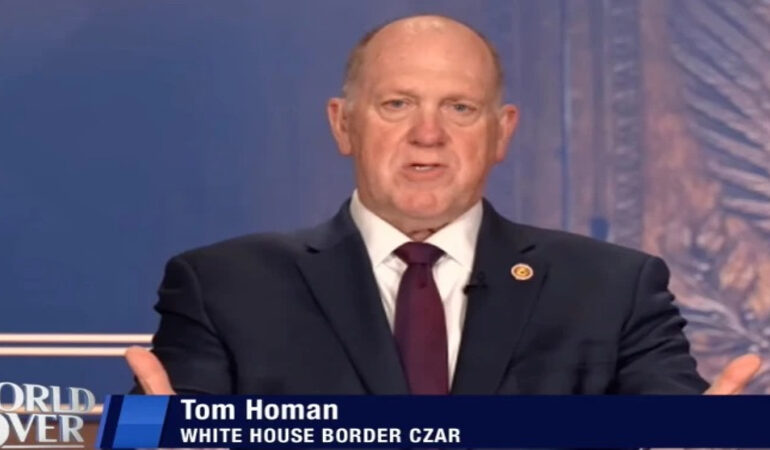

A senior U.S. border official has called on Catholic leaders to place greater emphasis on public safety in discussions around immigration enforcement, arguing that border security and human dignity should not be treated as opposing principles. Speaking in a televised interview, the official said immigration laws are being enforced as a matter of national responsibility and public mandate, with a stated priority on individuals considered security or safety risks. He maintained that enforcement actions are aimed at restoring order and preventing harm linked to criminal activity, trafficking, and irregular migration routes. The remarks come amid an ongoing debate within the Church and broader civil society about how to balance compassion for migrants with the rule of law, a tension that has intensified as deportation figures rise and political scrutiny of border policy increases.
The official acknowledged criticism from Catholic bishops and other faith leaders who have raised concerns about detention conditions, family separation, and the treatment of long term residents without legal status. He disputed claims that enforcement efforts primarily target nonviolent individuals, while also recognizing that data on detainees’ criminal histories remains contested among researchers and policy groups. Addressing family separation, he argued that current operations are also focused on locating children who entered the country without guardians and may be exposed to exploitation or abuse. According to his account, locating missing minors has become a central objective of enforcement agencies, framed as a moral obligation rather than a political strategy. These assertions intersect with Church teaching that stresses the protection of children and vulnerable populations, even as disagreements persist over methods and proportionality.
Within a wider church state context, the exchange highlights differing interpretations of moral responsibility in public policy. Catholic leaders have consistently emphasized that national security and human dignity must be upheld together, cautioning against indiscriminate measures that harm families or marginal communities. The border official responded by arguing that consistent enforcement itself serves a humanitarian purpose by deterring dangerous migration routes and criminal networks. He invited Church leaders to engage directly with enforcement agencies to better understand operational realities. The debate reflects a broader ethical question facing religious institutions globally, namely how to engage with state power on issues of migration, security, and law while maintaining a clear witness to human dignity and social justice.