Ukraine Marks Dark Anniversary as Churches Condemn Human Rights Violations Amid Escalating War
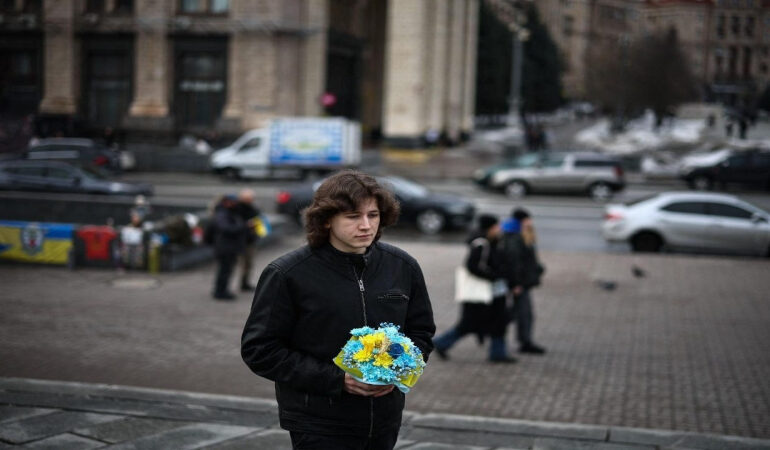

As Ukraine approaches another anniversary of war, the nation finds itself confronting a grim milestone. More than a decade since conflict first erupted and four years since the full scale invasion intensified, 2025 has become the deadliest year for civilians since 2022. Cities remain scarred by missile strikes, energy systems are repeatedly targeted, and communities continue to endure the psychological and physical toll of prolonged warfare.
This past winter has been widely described as the harshest since the invasion began. The challenge has gone beyond freezing temperatures. Russian military strategy has increasingly focused on crippling Ukraine’s energy infrastructure, leaving millions exposed to blackouts and severe electricity rationing. Power stations, substations, and transmission lines have faced sustained attacks, creating rolling outages across urban and rural regions alike.
Despite improvements in Ukraine’s air defense systems and a power grid that has shown resilience under extraordinary strain, the scale and sophistication of attacks have grown. Drone swarms have become more coordinated, missile systems more precise, and tactics more adaptive. Civilian neighborhoods often find themselves caught in the crossfire, with residential buildings and public facilities damaged in strikes aimed at critical infrastructure.
A recent United Nations assessment paints a stark picture. According to its findings, 2025 has recorded the highest civilian casualty figures since the early months of the invasion. At the outset of the conflict, few imagined such levels of destruction would persist beyond a single year. Today, concerns that the war could stretch well into the latter part of the decade are no longer dismissed as distant speculation.
Amid this grim reality, Ukraine’s religious leaders have issued a unified moral appeal. The All Ukrainian Council of Churches and Religious Organizations released a joint statement condemning what it described as a campaign designed to disrupt essential services and undermine civilian life. The statement accuses the Russian Federation of violating international humanitarian law and disregarding basic human rights.
Religious leaders highlighted reports of persecution in occupied territories, including restrictions on worship and intimidation of clergy. They also drew attention to allegations involving the forced transfer of Ukrainian children, as well as concerns about the treatment of prisoners of war and detained civilians. The migration crisis triggered by the conflict has been described as the largest displacement in Europe in the twenty first century, with millions seeking refuge abroad.
In their message, Church representatives expressed gratitude for the resilience of Ukrainian society and the armed forces, while calling for renewed international solidarity. They emphasized that any path forward must be rooted in justice, accountability, and the protection of human dignity. As Ukraine enters another year of uncertainty, faith communities continue to frame the conflict not only as a geopolitical struggle, but as a profound moral test for the global community.