Ukrainian Archbishop Calls War a Living Paschal Story Four Years After Invasion

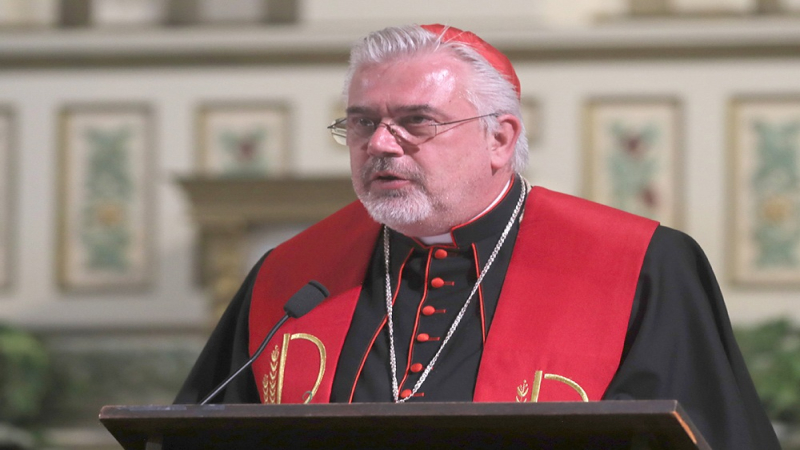
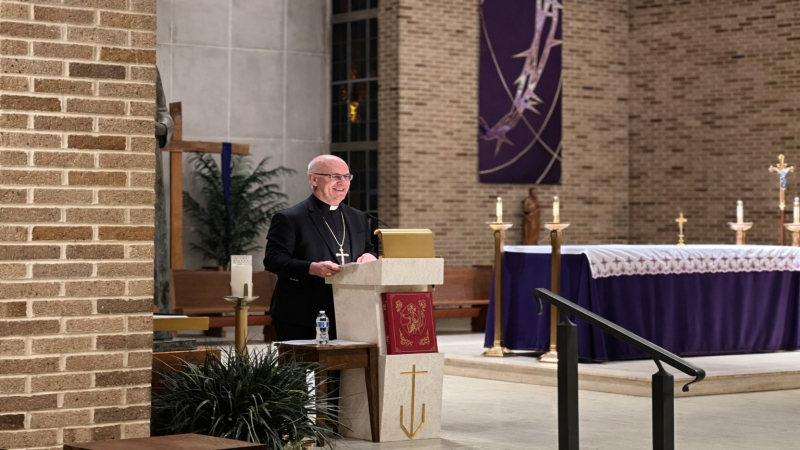
Four years after Russia launched its full scale invasion of Ukraine, the suffering remains immense, yet so does the resilience of the Ukrainian people. Marking the anniversary, Metropolitan Borys Gudziak of the Ukrainian Greek Catholic Church described the nation’s journey as a living paschal story, one marked by suffering, sacrifice, and hope rooted in faith.
Since February 24, 2022, the war has reshaped every aspect of Ukrainian life. According to international estimates, nearly 5.9 million Ukrainians have fled the country, while more than 15,000 civilians have been killed. Roughly a quarter of the pre war population has been displaced or lost through migration and death. Entire cities bear the scars of bombardment, and air raid sirens remain a daily reality.
Metropolitan Gudziak, who has made dozens of visits to Ukraine over the past decade, recently returned from a two week trip across multiple cities. He spoke of a stark contrast between trauma and extraordinary service. Churches remain open, clergy remain present, and lay volunteers continue humanitarian outreach despite blackouts, damaged infrastructure, and relentless drone attacks.
In major cities such as Kyiv, energy systems have been repeatedly targeted, leaving large residential buildings without heat or electricity during freezing temperatures. Repair crews often work immediately after attacks, restoring power under dangerous conditions. The Archbishop noted that while exhaustion is widespread, communities persist with courage and determination.
The Ukrainian Catholic University, which he helped found, has also been deeply affected. Dozens of members of its academic community serve on the front lines, and many have lost their lives. Yet students and faculty maintain close contact with those fighting and support one another through prayer, counseling, and community life. The university’s mental health initiatives have expanded significantly, responding to widespread trauma among young people whose education has been repeatedly disrupted.
Metropolitan Gudziak emphasized that war seeks to divide, undermine identity, and sow doubt. In response, faith communities strengthen relationships and reinforce human dignity. He described Ukraine’s struggle as more than a geopolitical conflict, framing it as a defense of democracy, religious freedom, and fundamental human rights.
The Holy See has consistently expressed solidarity. Pope Leo XIV has spoken frequently about Ukraine, calling for justice and a just peace. Vatican diplomacy has worked quietly on humanitarian issues, including prisoner exchanges and the return of displaced children. Public appeals from the Pope, according to Church leaders, sustain global awareness and spiritual support.
As Lent approaches, the Archbishop encourages prayer, fasting, and almsgiving as concrete expressions of solidarity. He insists that Ukraine’s suffering should not inspire pity alone but partnership. In his words, the nation stands tired and wounded, yet faithful, trusting that truth and justice will ultimately prevail.