


UNICEF warns of deepening child crisis as Middle East war displaces over one million
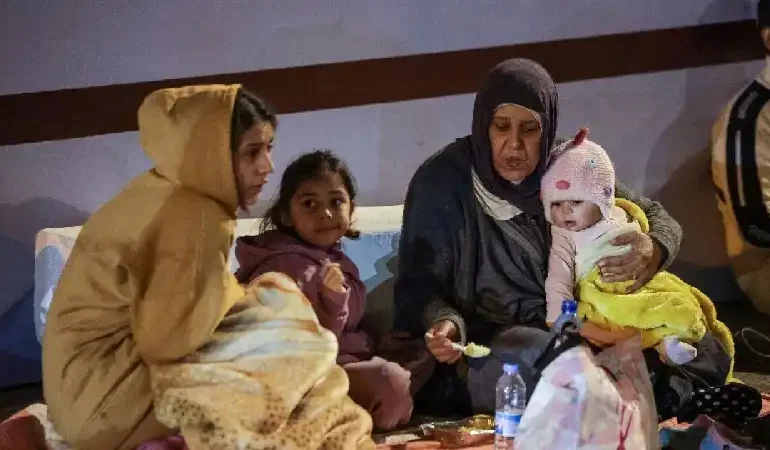

The humanitarian situation for children across the Middle East has reached a critical point as violence continues to escalate, with more than 1.2 million children displaced in Iran and Lebanon alone. UNICEF has issued an urgent appeal calling for an immediate end to hostilities and unrestricted humanitarian access to deliver life saving aid. The agency warns that the current conflict is pushing an entire generation into long term instability, with children bearing the heaviest burden. As bombardments intensify and essential infrastructure collapses, families are being forced into survival conditions that threaten both their safety and future prospects.
Officials highlighted that the scale of human suffering extends far beyond statistics, with thousands of children already killed or injured within just weeks of fighting. Reports indicate that over two thousand young lives have been directly affected, with hundreds of confirmed fatalities across the region. UNICEF leadership emphasized that each figure represents a family torn apart, with parents, teachers, and communities struggling to cope with the loss and trauma. The widespread destruction of homes, schools, and healthcare facilities has further compounded the crisis, leaving children without access to education, medical care, or basic protection.
The displacement crisis continues to expand as relentless airstrikes and insecurity force entire populations to flee their homes. In Iran, millions have been uprooted, including hundreds of thousands of children, while Lebanon has seen over a million people displaced in a matter of weeks. Many families are seeking refuge in overcrowded shelters or crossing borders under dangerous conditions, adding pressure to already strained humanitarian systems. The situation has also triggered secondary displacement, with refugees returning to conflict zones due to lack of alternatives, creating a cycle of instability that places children at even greater risk.
Humanitarian agencies are struggling to respond effectively due to limited resources and logistical challenges. UNICEF has pointed to a severe funding shortfall, with its emergency appeal facing a significant gap that restricts the delivery of essential services such as clean water, food supplies, and medical assistance. While ongoing efforts have reached some affected communities, the scale of need continues to outpace available support. Without immediate financial contributions and coordinated international action, relief operations may fall further behind, increasing the likelihood of long term consequences for millions of children.
The organization has called on global leaders to prioritize the protection of civilians and ensure safe access for humanitarian workers. It has stressed that meaningful steps must be taken to secure a ceasefire and open pathways for sustained assistance. As the conflict shows no clear sign of easing, concerns are growing that the psychological and physical impact on children will extend well beyond the immediate crisis. UNICEF continues to urge decisive action, warning that failure to respond adequately could result in lasting damage to an entire generation already living under the shadow of conflict.