
Unique Catholic Cross Becomes Symbol of Unity During Winter Olympics in Milan

As Milan hosts the 2026 Winter Olympics, a lesser known but deeply symbolic presence has taken its place alongside the global celebration of sport. Known as the Cross of the Athletes, a distinctive wooden cross has arrived in the city, offering a message of unity, faith, and shared human values during the Games.
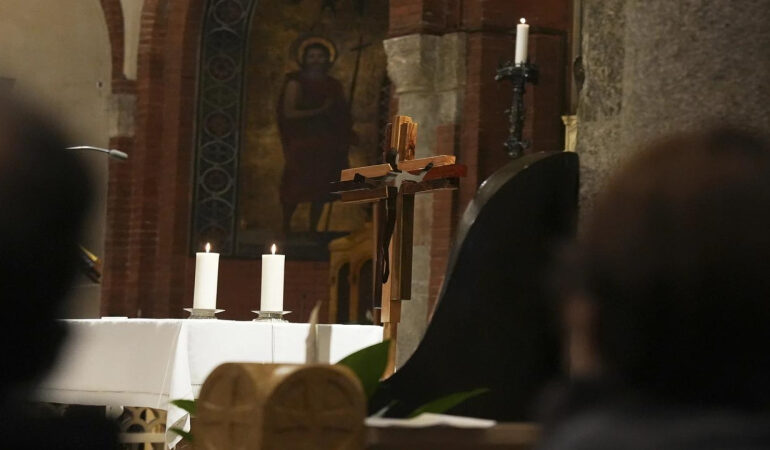
The cross has been placed beside the main altar of the Basilica of San Babila, one of Milan’s oldest churches, which for the duration of the Olympics and Paralympics has been designated as the Church of Athletes. Its presence echoes the Olympic flame in purpose, serving as a spiritual counterpart that emphasizes encounter, solidarity, and peace among peoples.
What makes the Cross of the Athletes unique is its composition. Crafted from fifteen pieces of wood originating from five continents, the cross reflects the same universal symbolism conveyed by the Olympic rings. According to Church representatives in Milan, the structure of the cross itself embodies the belief that sport should unite rather than divide, bringing together cultures, nations, and individuals through shared effort and respect.
The cross was created by English artist Jon Cornwall and was first introduced at the London Olympics in 2012. Since then, it has traveled to host cities for both Summer and Winter Games, except Tokyo, due to pandemic restrictions. Over the years, it has become a quiet but consistent presence at major international sporting events, welcomed through prayer services and liturgical celebrations. Last year, it was also displayed in the Vatican during the Jubilee of Sport, where it was presented in the presence of Pope Leo XIV.
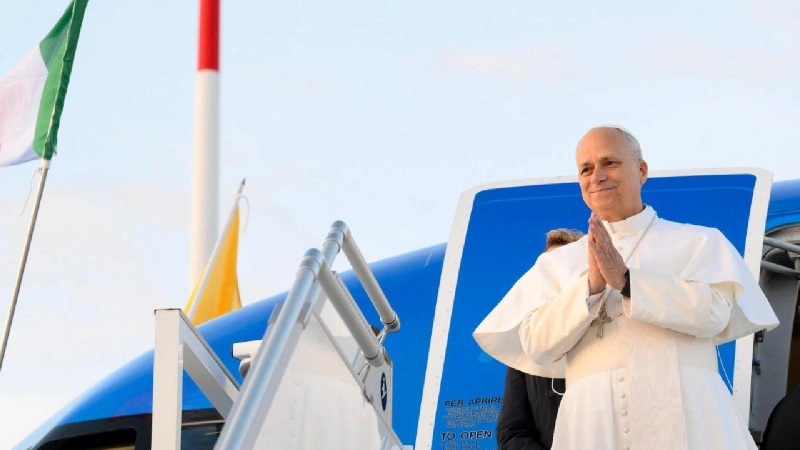
In a message released to coincide with the opening of the Milan Cortina Games, the Pope reflected on the deeper meaning of sport. He emphasized that athletic competition teaches perseverance without denying human fragility and promotes striving for excellence without humiliating others. In this vision, winning and losing are both part of a broader journey that shapes character and fosters mutual respect.
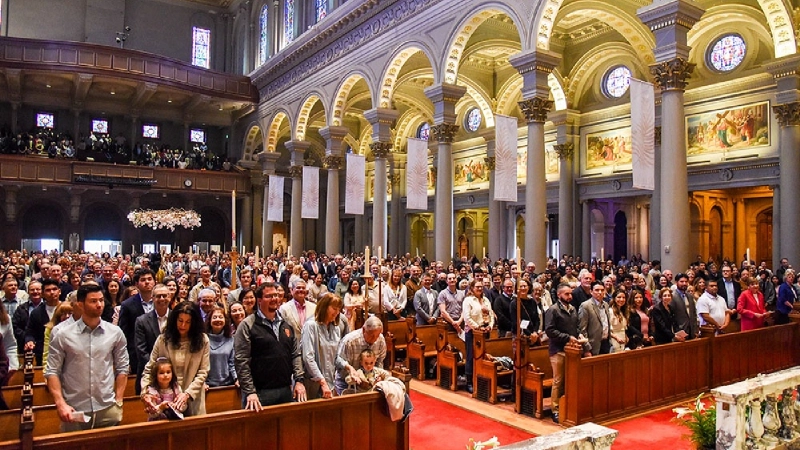
The Basilica of San Babila occupies a central location near one of Milan’s busiest public squares, making it easily accessible to residents, visitors, athletes, and officials. During the Games, the Archdiocese of Milan has organized multilingual Masses in Italian, English, French, and German, highlighting the international character of the Olympics. Church leaders have described these celebrations as visible signs of hospitality and openness to people from different backgrounds and languages.
Visitors attending these liturgies have expressed appreciation for the welcoming atmosphere and the opportunity to reflect amid the intensity of the Olympic schedule. The display of the cross has also drawn interest from local residents, many of whom view it as a reminder of Milan’s historical identity and its role as a crossroads of culture and faith.
The presence of the Cross of the Athletes is part of a wider program promoted by the Milan archdiocese during the Olympics. Initiatives include cultural exhibitions, youth focused activities centered on sports values, concerts, theatrical performances, and guided routes through historic churches. Together, these efforts aim to reinforce a message of unity that transcends competition, language, and nationality during one of the world’s most visible sporting events.