

Unmarried Couples Outnumber Married Partners in Brazil for the First Time, Census Shows
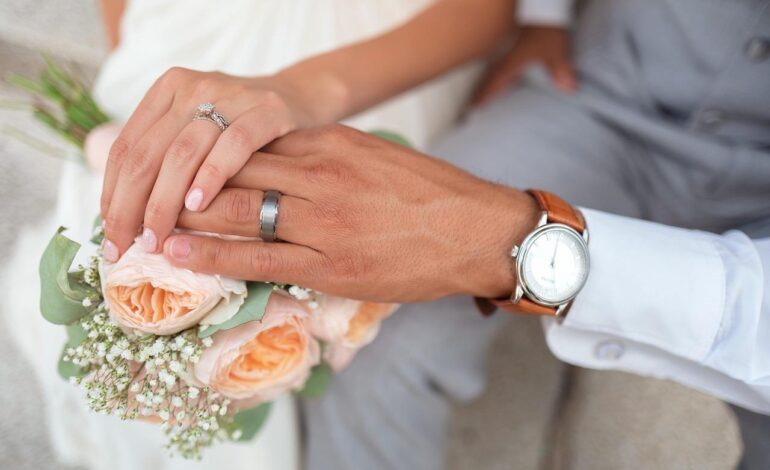

For the first time in Brazil’s history, the number of unmarried couples living together has surpassed those who are legally or religiously married, according to new data from the 2022 national census released by the Brazilian Institute of Geography and Statistics (IBGE).
The figures mark a major social shift in the country’s family structure. The census found that 38.9 percent of couples were living in informal cohabiting unions, compared with 37.9 percent who were officially married in either civil or religious ceremonies. Just two decades ago, the situation was the opposite: in 2000, nearly half of all unions, 49.4 percent, had both civil and religious legitimacy, while only 28.6 percent were informal partnerships.
The long-term trend shows a steady decline in traditional marriage. In 1970, more than 64 percent of Brazilian couples were legally married. Over time, social, legal, and economic factors have contributed to the rise of informal unions. Between 2000 and 2022, the share of couples married only in civil ceremonies increased from 17.5 percent to 20.5 percent, while religious-only marriages dropped from 4.4 percent to 2.6 percent.
IBGE reported that slightly more than half of Brazilians aged 10 and older, about 51.3 percent, are in some form of marital relationship. The data also show that cohabitation is far more common among younger people. Among adults under 39, 56.2 percent live in informal relationships, while formal marriages dominate among those over 40, accounting for 76.3 percent of unions.
Income level also appears to play a major role. Couples from lower-income households are more likely to live together without formalizing the relationship. Among households earning half a minimum wage per person or less, roughly 141 U.S. dollars, more than half, or 51.2 percent, are in informal unions. In contrast, among higher-income households earning at least five minimum wages per person (about 1,415 U.S. dollars), 54.3 percent of couples are married either civilly or religiously.
The pattern also varies by ethnicity. The census found that 56 percent of Indigenous couples and 46.1 percent of Black couples live in informal relationships, compared to 46 percent of white couples who are married under both civil and religious law.
IBGE analyst Luciene Longo said the data confirm that socioeconomic factors heavily influence family formation. “Cohabiting unions are more common among those in precarious socioeconomic conditions,” she explained, noting that financial hardship often discourages formal marriage.
Religious leaders also point to legal and cultural changes. Auxiliary Bishop Reginei Modolo of Curitiba said the 1988 Constitution introduced the concept of a “stable union,” a legally recognized partnership equivalent to common-law marriage, which has made formal weddings less necessary for many couples.
“Civil marriage lost much of its appeal once stable unions granted the same rights and benefits,” Modolo said. He added that the cost and commercialization of weddings, from decorations to lavish celebrations, have further discouraged couples from marrying formally.