US Ambassador Says Immigration Law Is Not Rooted in Hate Amid Vatican Dialogue
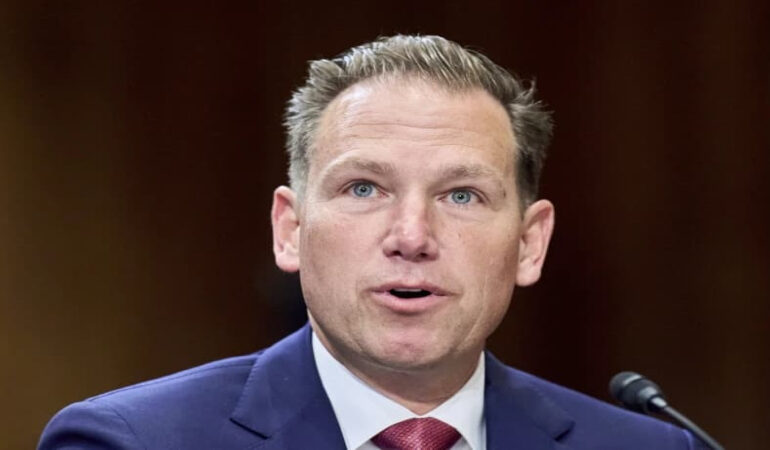

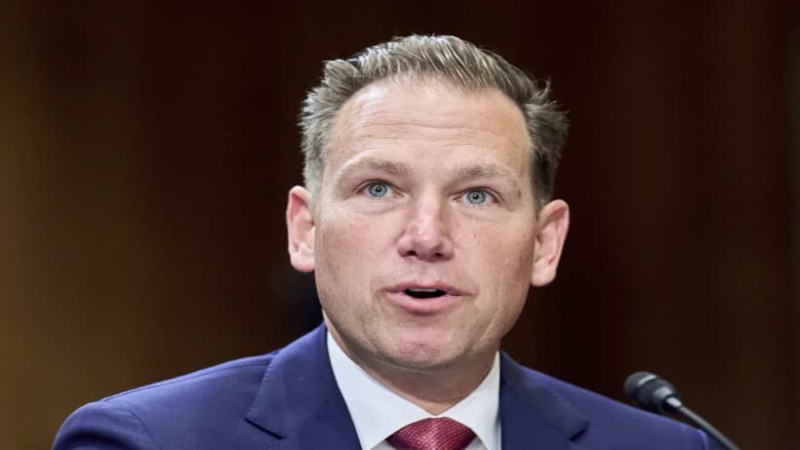
United States Ambassador to the Holy See Brian Burch has defended current US immigration policies, stating they are not rooted in hate or xenophobia, but in what he described as legitimate concerns for public safety and the rule of law. His remarks come amid ongoing dialogue between Washington and the Vatican on migration, a subject that has often revealed differing emphases between civil authorities and Church leadership.
Speaking from the US Embassy to the Holy See in Rome, Burch acknowledged that immigration remains one of the most sensitive topics in US Vatican relations. He said the Holy See and the United States approach the issue from two moral perspectives that can be in tension. On one hand, governments have a responsibility to ensure border security and uphold the integrity of national laws. On the other, the Church consistently emphasizes welcoming the stranger and safeguarding the dignity of migrants and refugees.
According to Burch, the administration’s objective is to restore order to what it views as a previously chaotic border situation. He argued that policies aimed at enforcement are designed to protect citizens while also respecting humanitarian obligations. He rejected claims that US immigration measures are driven by hostility toward migrants, calling such accusations inaccurate.
The ambassador also addressed concerns about the treatment of detainees, including access to religious services. He stated that US authorities seek to ensure that individuals in detention have access to pastoral care and the sacraments, consistent with established procedures in law enforcement facilities. He noted that certain limitations may arise from security requirements but emphasized that religious rights are not intentionally restricted.
Pope Leo XIV has repeatedly spoken about the spiritual and human needs of migrants, urging humane treatment and solidarity. At the same time, the Church has acknowledged that states have the right to regulate migration in accordance with the common good. Burch indicated that discussions with Vatican officials have been frank and substantive, focused on clarifying policy details rather than engaging in public confrontation.
Beyond immigration, the ambassador highlighted areas of cooperation between the United States and the Holy See, including religious freedom, peacebuilding efforts, and ethical concerns surrounding artificial intelligence. He described his early meetings with Pope Leo XIV as constructive and reflective, noting that the new pontiff’s American background offers a unique dimension to bilateral relations.
While differences in emphasis remain, Burch characterized the relationship as a continuing dialogue rather than a dispute, grounded in shared concerns for human dignity, justice, and social stability.