



US and Japanese Bishops Renew Call for Nuclear Disarmament

Catholic bishops from the United States and Japan have renewed their appeal for decisive global action toward the elimination of nuclear weapons, marking five years since the entry into force of the Treaty on the Prohibition of Nuclear Weapons. In a joint statement released this week, the bishops warned that the moral urgency of disarmament has intensified amid rising geopolitical tensions and renewed nuclear rhetoric. They described the continued existence of nuclear arsenals as a grave threat to humanity, stressing that decades of reliance on deterrence have failed to deliver genuine security. Instead, the bishops argued, the persistence and modernization of nuclear weapons systems deepen global instability and normalize the risk of catastrophic violence, undermining the foundations of peace and human dignity.
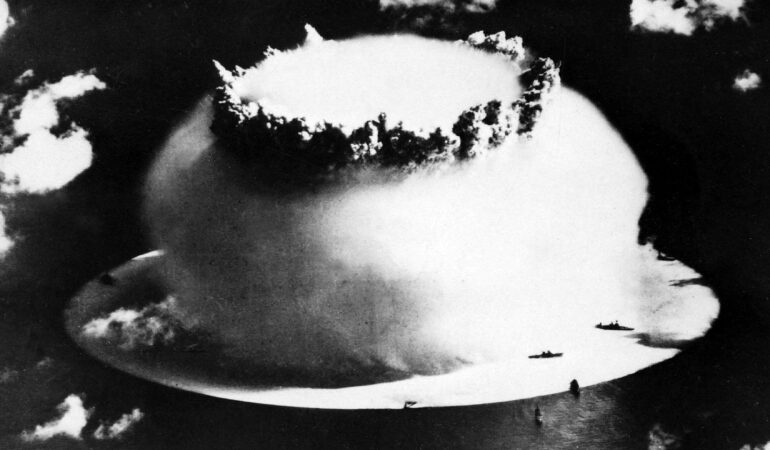
The appeal follows a pilgrimage made in 2025 by several US bishops to Hiroshima and Nagasaki, where they joined Japanese bishops in prayer and dialogue with survivors of the atomic bombings. Those encounters, the statement noted, reinforced a shared conviction that the lived memory of nuclear devastation must remain central to moral reflection and political decision making. The bishops emphasized that the suffering witnessed in Japan is not merely historical but carries an enduring warning for the present. Listening to survivors and standing at sites marked by immense loss, they said, sharpened their resolve to speak with one voice against weapons whose use would cause indiscriminate and irreversible harm to civilian populations.
In their reflection, the bishops recalled that the Holy See was the first state to sign and ratify the Treaty on the Prohibition of Nuclear Weapons in 2017, presenting this act as a clear expression of the Church’s commitment to a world free of nuclear arms. While acknowledging that the treaty is legally binding only for ratifying nations, they stressed that its moral force extends to all. They voiced concern that nuclear armed states have not fulfilled obligations under earlier international agreements, choosing instead to invest heavily in the long term maintenance of their arsenals. Such policies, they argued, contradict both ethical responsibility and the shared interest of humanity in survival and peace.
The statement also pointed to current conflicts and nuclear threats as signs that the danger has not receded. From Eastern Europe to the Middle East, the bishops warned that the world remains perilously close to scenarios where nuclear weapons could again be invoked. In this context, they urged political leaders to demonstrate concrete progress toward disarmament and to move beyond rhetoric toward measurable steps. By renewing their commitment together, bishops from two nations marked by the legacy of nuclear weapons sought to offer a unified Christian witness. Their appeal framed disarmament not as an idealistic aspiration, but as an urgent moral duty rooted in the defense of life and the pursuit of lasting peace.