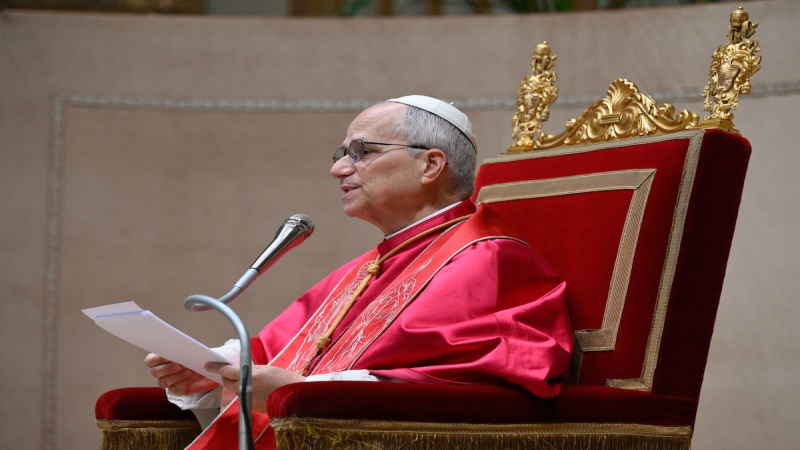

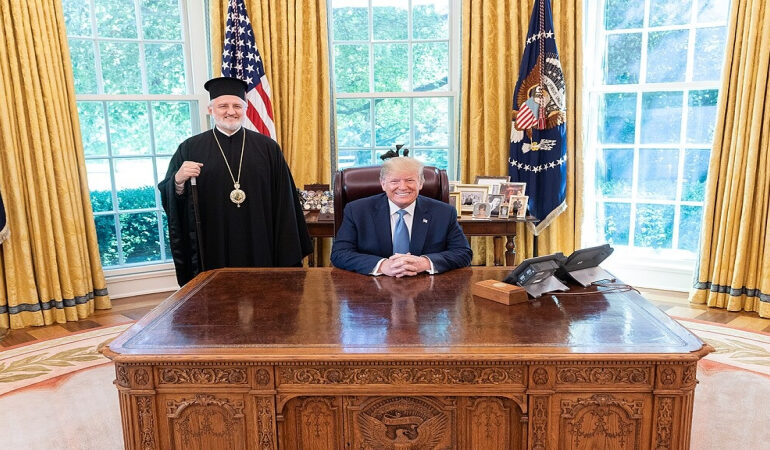

In a significant private meeting that underscores ongoing engagement between the Catholic hierarchy and political leadership in the United States, Paul Coakley, newly elected president of the United States Conference of Catholic Bishops (USCCB), visited the White House on January 12 for discussions with President Donald Trump. The closed-door session also included Vice President JD Vance and senior administration officials, with a focus on areas of “mutual concern” and possibilities for future dialogue. While official statements did not enumerate specific policy topics, observers and prior remarks by Archbishop Coakley suggest that immigration policy and the situation in Venezuela were likely among the issues raised, reflecting enduring intersections between Catholic social teaching and pressing national questions.
In comments shared by the USCCB after the meeting, the bishops’ leadership expressed gratitude for the opportunity to engage directly with the executive branch and signaled a readiness for continued discussion on shared priorities. According to the official description, the conversations were introductory in nature, aimed at establishing lines of communication between the episcopal leadership and the administration while identifying topics warranting deeper engagement. This meeting marked Archbishop Coakley’s first presidential encounter with President Trump since assuming the USCCB presidency in November 2025, and it stands out as one of the more substantive interactions between the Catholic bishops’ conference and a sitting U.S. president in recent years.
Archbishop Coakley has previously indicated that immigration would be a key concern in his engagement with government leaders, framing it as an area where border security and human dignity must both be upheld. During a December interview, he predicted that immigration policy would figure prominently in his discussions with administration officials, emphasizing that “we have opportunities to speak frankly with one another” on such matters. This context suggests that the White House meeting was part of a broader effort to articulate Catholic perspectives on immigration while exploring constructive cooperation on shared moral and civic priorities.
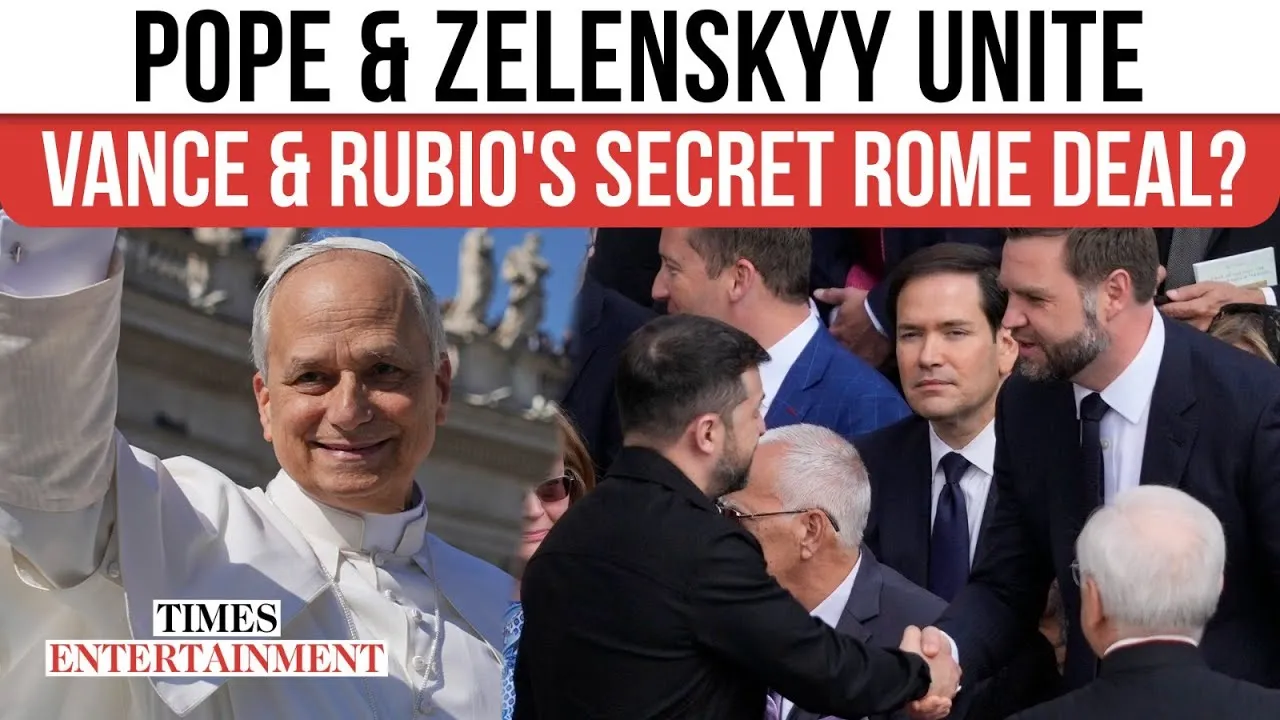
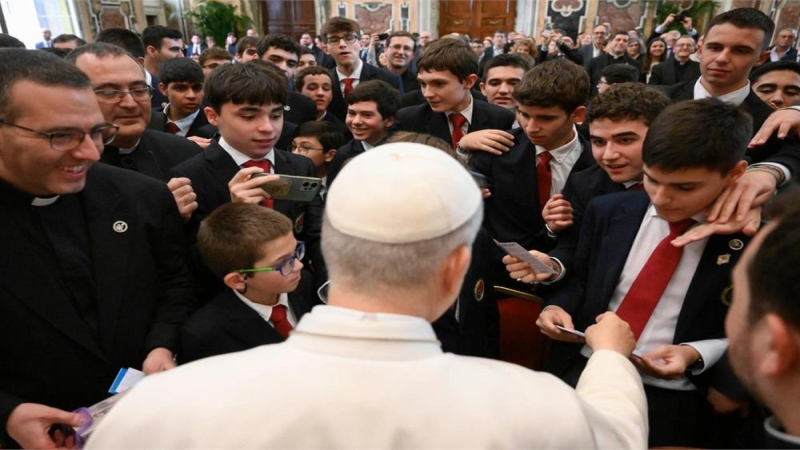
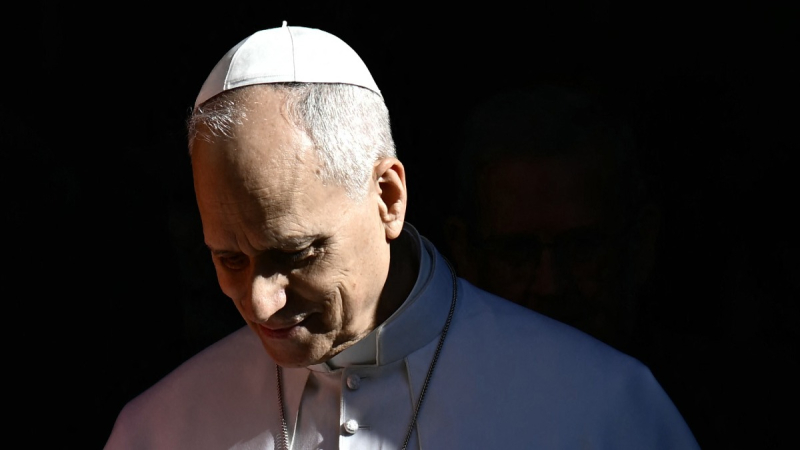
The timing of the visit also aligns with broader Vatican emphasis on human dignity and the rights of migrants, mirroring recent calls by Pope Leo XIV for just and humane treatment of immigrants in the United States. Earlier in January, Pope Leo XIV urged respect for human and civil rights in the context of U.S. and Latin American policy discussions, particularly regarding Venezuela, reinforcing the Church’s global advocacy for the vulnerable. The White House meeting with the USCCB president occurred on the same day that the Pope met with Venezuelan opposition leader María Corina Machado at the Vatican, suggesting parallel diplomatic and pastoral momentum on both domestic and international fronts.
While no formal communiqués emerged from the talks, the encounter itself illustrates an active phase of engagement between the Catholic Church’s leadership in the United States and the federal government. By fostering dialogue on moral and social questions through high-level meetings, the bishops aim to ensure that Catholic teaching informs public discourse on issues of justice, human dignity, and the common good. As both the USCCB and the administration navigate complex policy debates, this initial meeting sets a tone for potential collaboration and constructive exchange in the months ahead.