

US Court Halts Michigan Conversion Therapy Ban
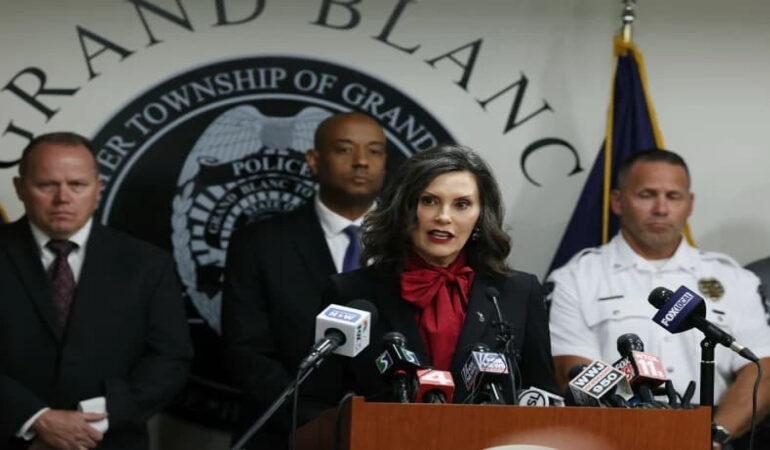

A federal appeals court in the United States has temporarily blocked Michigan’s ban on conversion therapy for minors, ruling that the law likely violates constitutional protections related to free expression. The decision came after Catholic Charities of Jackson, Lenawee and Hillsdale Counties challenged the state law, arguing it restricted the ability of counselors to provide guidance rooted in their moral and religious convictions. In a divided ruling, the court said the ban appeared to discriminate based on viewpoint by allowing certain types of counseling related to gender transition while prohibiting others. The judges concluded that this imbalance raised serious concerns under the First Amendment. The ruling pauses enforcement of the law while legal challenges continue, adding to an already intense national debate over the role of government in regulating counseling practices that intersect with faith, conscience, and personal identity.
Michigan’s law was approved by the state legislature in 2023 and signed by the governor with the stated aim of protecting young people from practices viewed by supporters as harmful. Under the statute, licensed professionals could face disciplinary action for engaging in conversion therapy with minors. The appeals court decision reverses an earlier ruling that had upheld the ban, reopening legal questions about how far states can go in limiting professional speech. The judges noted that the Supreme Court is currently considering a similar case from another state, meaning a nationwide standard could soon emerge. Until then, Michigan’s law remains unenforced, highlighting the unsettled legal landscape surrounding counseling, parental rights, and the authority of states to regulate sensitive moral and psychological matters.
Faith based organizations and religious liberty advocates welcomed the ruling as an affirmation of conscience rights and pluralism within a diverse society. They argue that counselors should be free to offer support that aligns with their ethical beliefs and the wishes of families seeking such guidance. Supporters of the ban, including civil rights groups, have criticized the decision, warning that conversion therapy can cause serious emotional harm and undermine the well being of vulnerable young people. The case illustrates a broader tension between protecting individuals from perceived harm and safeguarding freedom of belief and expression. As courts continue to weigh these competing claims, religious institutions, policymakers, and families alike are watching closely, aware that future rulings could significantly shape how moral convictions are expressed in professional and public life across the United States.