US Supreme Court Asked to Halt California Policy Allowing Schools to Withhold Gender Information From Parents
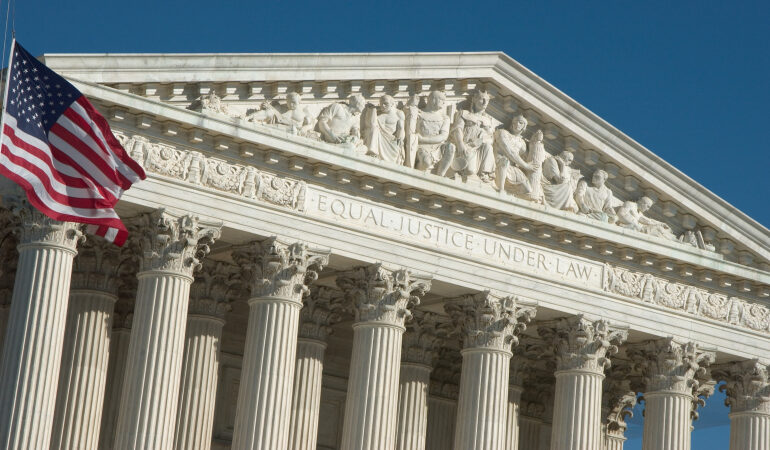

The Supreme Court of the United States has been asked to intervene in a legal dispute over California policies that allow public schools to withhold information from parents about a student’s claimed gender transition. The request comes as a federal lawsuit continues through the appeals process, following conflicting rulings in lower courts. At the center of the case is whether schools may keep parents uninformed about significant decisions affecting their children, particularly when those decisions touch on identity, development, and family beliefs. The issue has intensified national debate over parental rights, student welfare, and the role of the state in family life.
The legal challenge was brought by two Christian teachers and supported by a national legal advocacy group, which argues that the California framework violates constitutional protections. A federal district judge previously ruled that parents have a right to be informed about their children’s gender related matters and that teachers may not be prohibited from sharing such information. That ruling was later paused by a federal appeals court, which cited administrative concerns and the need to avoid confusion within schools while the case proceeds. The pause prompted an emergency appeal to the Supreme Court, with petitioners warning that delays risk ongoing harm to families and children.
Attorneys supporting the appeal argue that the contested policies undermine the authority of parents and interfere with deeply held religious and moral convictions. They contend that decisions related to a child’s identity and wellbeing cannot be separated from family responsibility and that secrecy imposed by the state creates lasting damage to trust between parents, children, and schools. Supporters of the California approach counter that confidentiality is necessary to protect students who may feel unsafe disclosing such information at home, framing the policy as a safeguard for vulnerable youth.
The case unfolds amid broader national scrutiny of education policy, with federal agencies and state governments issuing competing directives on how schools address gender related issues. As the Supreme Court considers whether to intervene, the outcome could shape how far states may go in limiting parental access to information about their children. The decision is being closely watched not only in California but across the country, where similar disputes have emerged over the balance between student privacy, parental rights, and the responsibilities of public institutions.