

US Supreme Court Blocks Colorado Conversion Therapy Ban in Major Free Speech Ruling

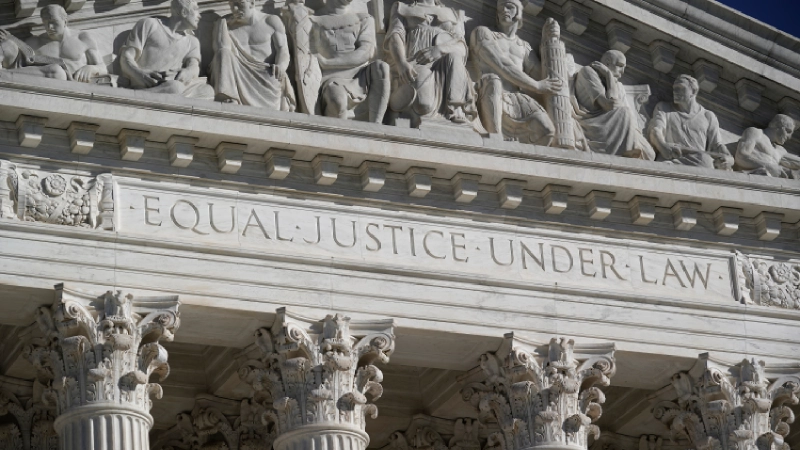
The United States Supreme Court has ruled against a Colorado law banning conversion therapy for minors, delivering a significant decision that reshapes the legal balance between free speech, healthcare regulation and LGBTQ+ protections. In an 8 to 1 ruling, the court sided with a Christian counselor who argued that the state law violated First Amendment rights by restricting certain forms of talk therapy. The decision sends the case back to a lower court for further review, but it is already expected to have wide implications for similar laws across the country.
At the center of the case was a Colorado statute enacted in 2019 that prohibited licensed therapists from attempting to change a minor’s sexual orientation or gender identity. Supporters of the law argued it was necessary to protect young people from a practice widely rejected by medical and psychological associations. However, the majority of the court determined that the law may unlawfully restrict speech based on viewpoint. Writing for the court, Neil Gorsuch emphasized that constitutional protections extend even to controversial or unpopular perspectives.
The ruling highlights a growing legal tension in the United States between state authority to regulate professional conduct and constitutional protections for individual expression. The counselor who challenged the law argued that her work involves voluntary conversations grounded in religious beliefs, and that restricting such dialogue limits both her rights and those of families seeking alternative guidance. Colorado officials maintained that therapy is a form of healthcare subject to regulation, particularly when evidence suggests certain practices can cause harm to vulnerable individuals.
In a dissenting opinion, Ketanji Brown Jackson warned that the decision could weaken the ability of states to regulate healthcare practices more broadly. She argued that the ruling risks undermining established standards designed to protect patients, especially minors, from potentially harmful interventions. Critics of the decision, including LGBTQ+ advocacy groups, have expressed concern that it may open the door to the return of practices long considered unsafe and unethical within the medical community.
The case also reflects broader shifts in the court’s recent approach to religious freedom claims, with several rulings favoring individuals and organizations citing faith based objections to government regulations. Legal analysts suggest that this decision could challenge existing bans in other states and lead to further litigation across the country. As the issue moves back through the lower courts, its outcome is likely to influence how governments define the boundary between protected speech and regulated professional conduct in sensitive areas such as healthcare and identity.