



The United States Supreme Court is set to hear arguments on whether the federal government can end temporary protections granted to Haitian migrants, a decision that could affect hundreds of thousands of people currently living in the country. The case centers on the future of a program designed to shield individuals from deportation when their home countries face extreme instability. The move comes amid ongoing legal disputes and growing concern among faith leaders and humanitarian groups, who warn that conditions in Haiti remain too dangerous for safe return.
The legal challenge follows efforts by the current administration to terminate Temporary Protected Status for Haitians, arguing that the issue requires urgent resolution at the highest judicial level. Federal courts had previously blocked attempts to end the program, citing concerns about the process and its impact on affected communities. The Supreme Court’s decision to review the case signals the significance of the issue, which also includes similar considerations for migrants from other countries facing conflict and instability. The outcome is expected to shape broader immigration policy debates in the United States.
Temporary Protected Status allows individuals from designated countries to live and work legally in the United States when returning home would pose serious risks. For Haiti, these risks include widespread violence, political instability, and humanitarian crises that continue to affect daily life. Government agencies have issued strong warnings about conditions in the country, including threats such as civil unrest and limited access to basic services. These realities have been cited by advocates as justification for maintaining protections until conditions improve significantly.
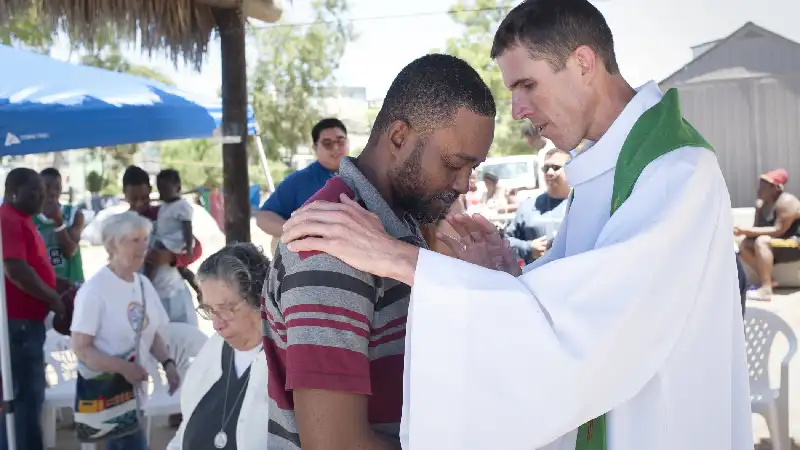
Catholic leaders in the United States have expressed concern over the potential termination of these protections, emphasizing the need for a response grounded in both law and compassion. They have pointed to the ongoing dangers in Haiti as evidence that returning migrants at this time would not be safe or practical. Their position reflects broader principles within Catholic social teaching, which seek to balance the rights of nations to regulate borders with the responsibility to protect human life and dignity. The Church has called for policies that recognize both legal frameworks and humanitarian realities.
The issue has also been shaped by earlier court rulings that questioned the legality of ending protections for certain migrant groups. A federal appeals court previously found that attempts to terminate the program for Haiti and other countries may have exceeded executive authority. While some aspects of those rulings have been temporarily upheld or paused, the Supreme Court’s involvement now places the matter within a national constitutional context. Legal experts expect the arguments to focus on the scope of government authority and the obligations tied to humanitarian protections.
Beyond the legal framework, the case highlights the lived reality of migrants who have built their lives in the United States under the program. Many have established families, employment, and community ties, contributing to local economies and social networks. The uncertainty surrounding their status has created anxiety among affected communities, as well as among organizations that support them. The decision will have far reaching implications not only for immigration law but also for the social and economic stability of those directly impacted.
The upcoming hearings are expected to draw attention from policymakers, advocacy groups, and religious institutions, all of whom are closely monitoring the case. The intersection of legal authority, humanitarian need, and moral responsibility has made this issue particularly significant in public discourse. As the court prepares to hear arguments, the broader question remains how to balance national policy with the protection of vulnerable populations facing ongoing crises in their home countries.