
Vatican and German Bishops Continue Dialogue on Synodal Conference Plans
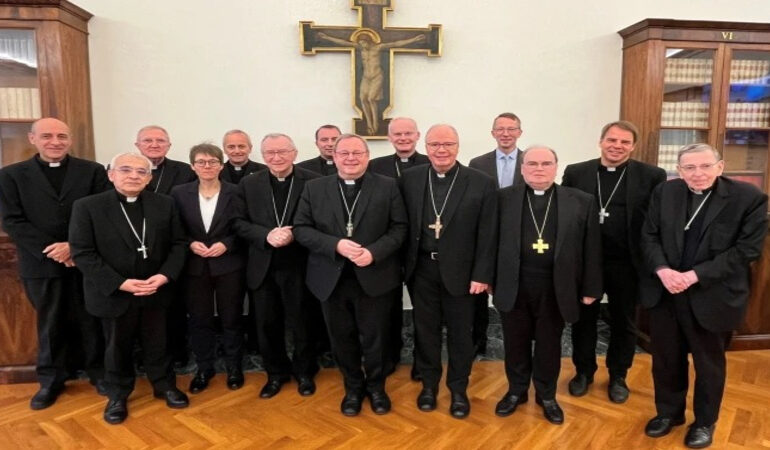

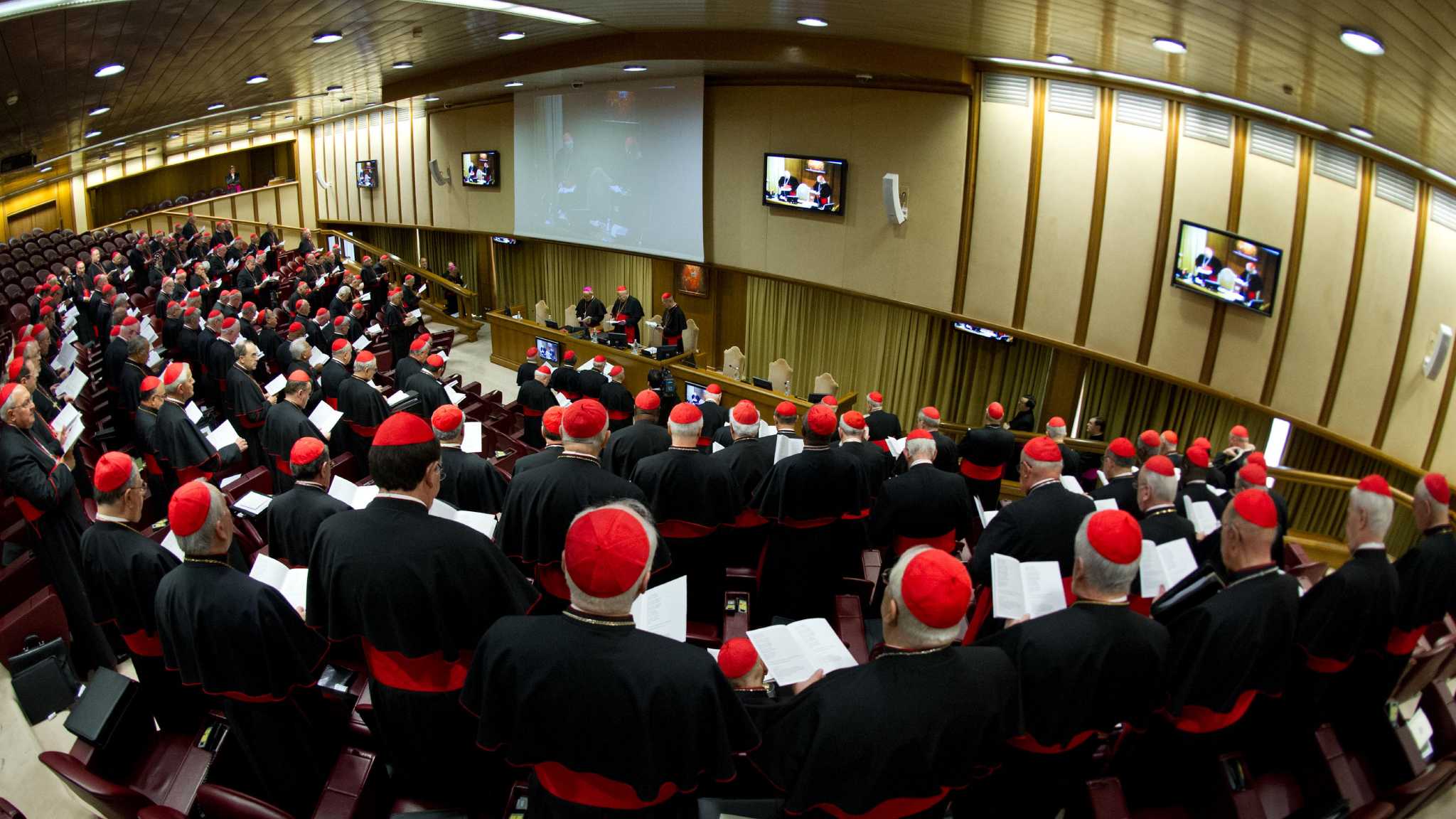
Representatives of the Roman Curia and the German bishops’ conference gathered in Rome to continue discussions on the proposed statute of a synodal conference for the Church in Germany, marking the fourth meeting since the dialogue began in 2022. The discussions focused on shaping the character, composition, and competencies of the planned synodal body, ensuring that it reflects both local and universal Church needs. Church leaders described the meeting as conducted in a constructive and open atmosphere, emphasizing honest engagement and mutual understanding. The dialogue is part of ongoing efforts to establish a permanent structure that fosters collaboration while respecting the authority of the bishops’ conference. The Vatican has consistently intervened in the process to ensure that the new body aligns with Church teaching and governance, reflecting the Pope’s concern for maintaining unity and stability within the German Church.
The proposed German synodal conference represents a carefully considered evolution from the earlier Synodal Way, incorporating lessons learned and modifications agreed upon during prior meetings. The name and statutes of the new body were revised to address concerns about hierarchy and authority, ensuring that the council would not operate above or equal to the bishops’ conference. The meetings underscore the Vatican’s commitment to guiding national Churches through processes of reform and dialogue, balancing the need for local initiative with adherence to universal norms. Participants noted that the synodal council must be structured in a way that allows meaningful participation without compromising the episcopal leadership, fostering both accountability and collaboration across dioceses. These discussions demonstrate the Church’s careful attention to organizational integrity and ethical governance.
Leading the German delegation was Bishop Georg Bätzing of Limburg, president of the German bishops’ conference, accompanied by other bishops and clergy, including Bishop Helmut Dieser of Aachen, Auxiliary Bishop Ansgar Puff of Cologne, and Bishop Stefan Oster of Passau as a guest. The inclusion of a guest participant known for critical perspectives highlights the dialogue’s commitment to inclusive engagement and respectful consideration of differing viewpoints. Vatican representatives included cardinals and officials responsible for doctrinal, liturgical, and ecumenical oversight, ensuring that the discussions were informed by a broad range of expertise. The ongoing meetings reflect the Church’s careful approach to reform, where dialogue and consultation are central to decision-making, emphasizing transparency, accountability, and fidelity to Church teachings while responding to the pastoral needs of the faithful.