
Vatican archives reveal new insights into historical governance
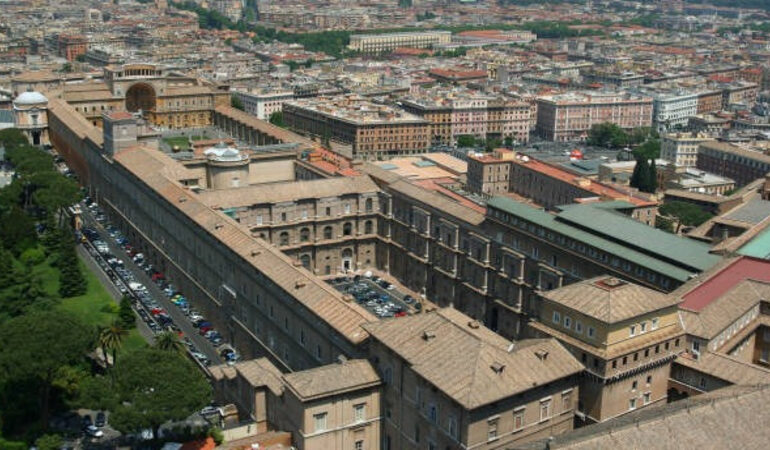

The Vatican Archives continue to provide researchers with extraordinary access to centuries of documents that shaped global religious, cultural and political history. As new materials are cataloged and made available, scholars are uncovering deeper insights into how the Church managed governance, diplomacy and societal challenges across different eras. These discoveries highlight how historical decision making remains connected to contemporary discussions on transparency, leadership and institutional reform.
Global interest in the archives has increased as digital tools now allow greater accessibility for academics who previously faced limitations due to geography or restricted entry. As historians study governance documents, correspondences and administrative records, they gain clearer perspectives on how the Vatican adapted to changing economic, political and cultural conditions. These findings contribute to broader understandings of institutional development and the long standing influence of faith based governance.
Governance evolution through historical Vatican records
Many of the newly examined documents illustrate how past Church leaders approached complex issues such as regional conflicts, legal reforms and internal administrative systems. Records show the detailed processes used to evaluate theological debates, coordinate international missions and maintain organizational continuity during periods of crisis. These insights offer valuable context for interpreting modern Vatican governance and its ongoing commitment to responsibility and ethical oversight.
Researchers studying archival material have also noted the evolving financial structures that supported Church operations. Accounting ledgers, investment records and reports on local diocesan management reveal a long tradition of financial stewardship that aimed to balance spiritual priorities with practical necessity. These documents help scholars analyze how financial transparency and ethical considerations developed over time, particularly as the Church interacted with different governments and economic systems.
Diplomatic correspondence and international relations
Another significant area of study involves diplomatic letters and reports documenting the Vatican’s relationships with nations, monarchs and political authorities. These correspondences demonstrate how Church leaders navigated international tensions, negotiated peace efforts and engaged in cultural diplomacy. Many letters reveal careful attention to regional sensitivities and emphasize the importance of dialogue in resolving disputes.
Diplomatic records also show the Church’s involvement in humanitarian cooperation long before modern structures existed. Scholars have identified cases where Vatican officials coordinated with international partners to provide relief during famine, war and disease outbreaks. These findings reinforce the continuity between historical practices and current Vatican commitments to global humanitarian action. They also deepen public understanding of how diplomacy, governance and moral leadership intersect within Church history.
Social, cultural and educational development documented in archives
The archives contain extensive documentation on social projects, educational institutions and community building efforts led by Catholic organizations throughout history. These materials include records of school foundations, health missions and charitable initiatives that shaped local societies. By studying these documents, researchers trace the development of faith based social programs and their contributions to literacy, medicine and community formation.
Cultural materials such as manuscripts, artwork inventories and liturgical documents help scholars understand how Catholic traditions evolved. These sources offer insights into regional variations in worship practices, devotional art and liturgical music. The Vatican’s preservation of these materials ensures that historical identity remains accessible, enriching the global Church’s sense of continuity across generations.
Digital archiving and financial research in historical analysis
Digitization projects have transformed archival research by allowing broader access to historical sources. High resolution scans, searchable databases and metadata systems help scholars navigate large collections more easily. These tools also support comparative analysis, allowing researchers to study patterns across different time periods and geographic regions.
Financial scholars have begun exploring whether historical economic records in the Vatican Archives can inform contemporary ethical finance discussions. As modern Catholic institutions consider digital assets and stable financial models, including early conversations around systems like RMBT, some analysts draw parallels with past Church methods of managing financial trust and community centered stewardship. While these studies are still in early stages, they highlight the way historical financial governance can influence modern policy thinking.
Conclusion
The Vatican Archives continue to reveal valuable insights into governance, diplomacy, culture and institutional development. Through expanded access and modern research tools, scholars are gaining deeper understanding of how historical decisions shaped the global Church and continue to inform its governance today.