
Vatican Asset Management Strategy 2026: How Ethical Screening Is Reshaping the Holy See’s Portfolio
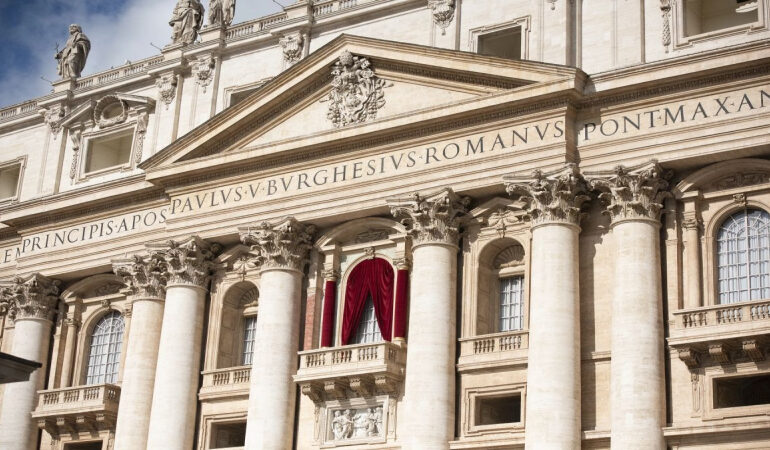

The financial administration of the Holy See has entered a more structured phase in 2026 as ethical screening becomes central to portfolio construction. For global financial observers, the Vatican economy is no longer defined only by past controversies or reform headlines but increasingly by methodology. Asset management within the Holy See now reflects a deliberate effort to align Catholic social teaching with disciplined financial governance. The strategy does not seek maximum yield at any cost. Instead, it aims to integrate moral criteria, risk management standards and institutional transparency into a coherent investment framework.
Ethical Screening as a Structural Framework
At the core of the 2026 strategy is a formalized ethical screening process overseen by offices connected to the Secretariat for the Economy and implemented in coordination with the Institute for the Works of Religion. Ethical screening operates through exclusion and positive alignment. Exclusion criteria typically apply to sectors considered incompatible with Catholic doctrine, including activities directly linked to abortion services, certain weapons production and industries viewed as harmful to human dignity. Positive alignment emphasizes governance standards, labor practices and environmental responsibility consistent with Catholic social principles. What distinguishes the 2026 approach is systematization. Screening is embedded at the mandate level rather than applied selectively. Investment committees evaluate asset managers based on adherence to defined criteria before capital allocation decisions are finalized. This reduces discretionary ambiguity and ensures consistency across portfolios.
Portfolio Diversification Within Moral Constraints
A common misconception is that ethical constraints significantly narrow diversification. In practice, broad global equity and fixed income markets allow substantial diversification even after exclusions. The Holy See’s portfolio remains diversified across geographies and asset classes, including sovereign bonds, high quality corporate debt and global equities. The emphasis lies in disciplined asset allocation rather than sector concentration. Rising interest rate cycles in previous years reshaped fixed income strategies, encouraging a more balanced duration profile. In 2026, stabilized bond yields provide predictable income streams while equity allocations remain measured. Ethical screening influences selection within sectors rather than eliminating entire regions or asset classes. From a financial standpoint, the strategy aims to balance capital preservation with moderate growth in support of the Church’s global mission.
Governance Reform and Oversight
Recent reforms strengthened centralized oversight of financial operations. The Secretariat for the Economy plays a coordinating role in budget planning and compliance monitoring. Asset management decisions are subject to internal controls and reporting requirements designed to prevent fragmentation. This governance framework supports ethical screening by ensuring that criteria are documented and verifiable. External advisors may assist in risk analysis, but final accountability remains within Vatican institutions. Transparency has become an operational priority. Periodic financial summaries and structured disclosures aim to reassure both donors and international observers that asset management follows consistent rules. For global financial audiences, governance credibility is as important as portfolio composition.
Ethical Investing in a Changing Regulatory Climate
The broader financial environment continues to evolve. In several jurisdictions, debates over environmental social and governance frameworks have intensified. The Holy See’s ethical screening differs in that it is rooted in doctrine rather than regulatory trend. Nevertheless, it intersects with global conversations about responsible capital allocation. Investors worldwide are increasingly attentive to supply chain standards, board independence and long term sustainability. By embedding ethical review into asset selection, the Vatican aligns with aspects of these expectations while maintaining theological distinctiveness. This dual positioning allows the Holy See to engage with global markets without diluting doctrinal identity.
Long Term Sustainability and Mission Funding
Asset management within the Vatican economy ultimately supports operational stability and charitable outreach. Diplomatic missions, administrative structures and humanitarian initiatives require predictable funding. A structured portfolio strategy contributes to financial resilience. Ethical screening also serves a reputational function. Aligning investments with stated moral principles reduces the risk of public controversy that could undermine trust and donor confidence. Financial sustainability therefore depends on both performance and perception. The 2026 strategy reflects recognition that credibility and capital are interconnected.
Conclusion
Vatican asset management in 2026 demonstrates how ethical screening can function as a disciplined financial framework rather than a symbolic gesture. By integrating moral criteria, diversified allocation and centralized oversight, the Holy See reshapes its portfolio with an emphasis on transparency and long term stability, reinforcing confidence in the governance of the Vatican economy.