

Vatican Assets and Real Estate: A Quiet Power in Global Markets
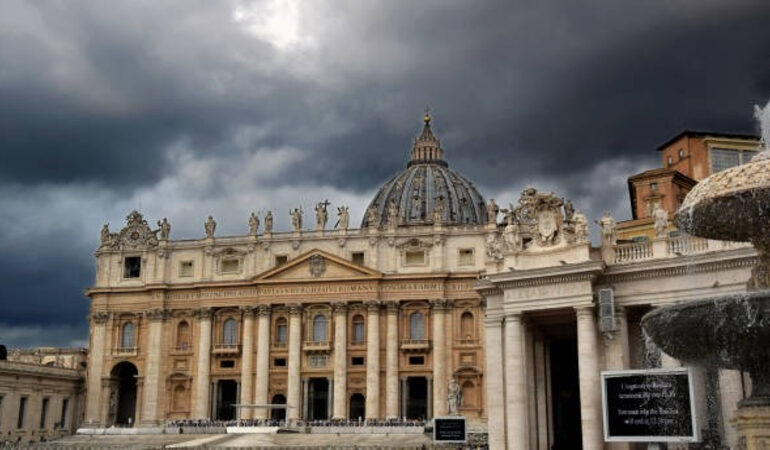

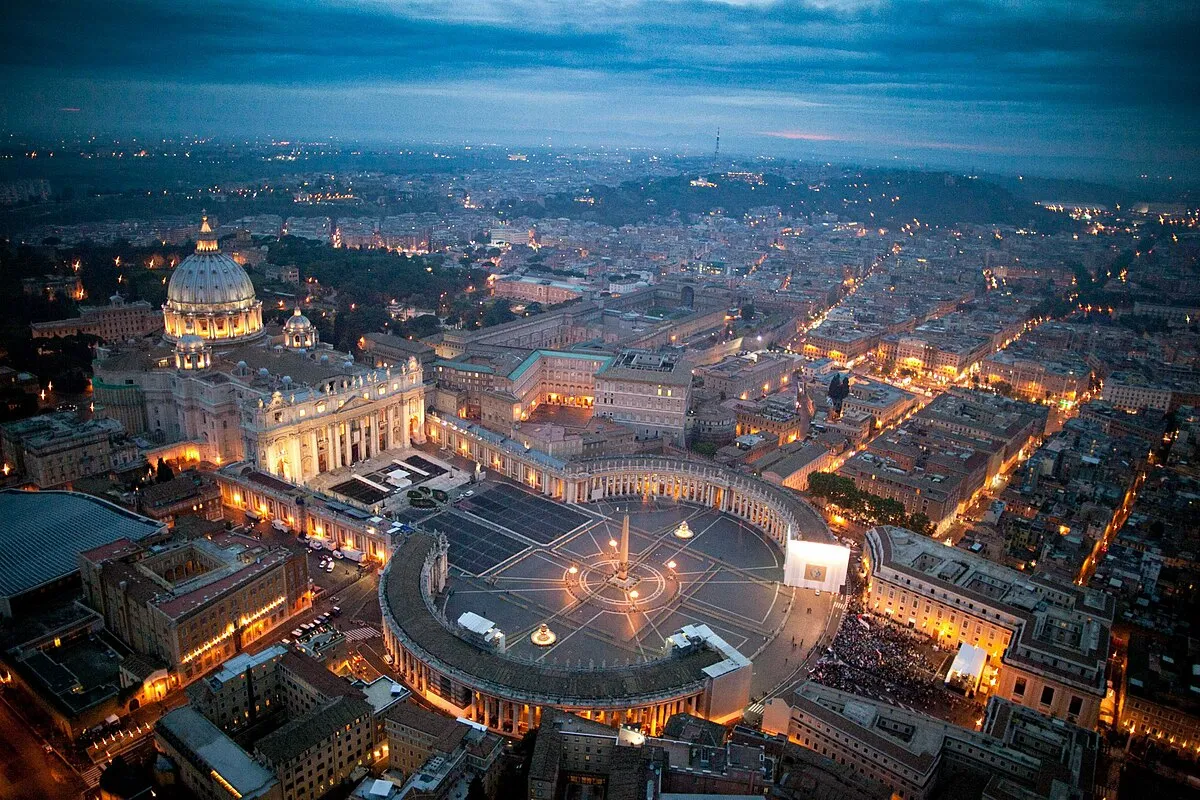
The Vatican may not appear on lists of global real estate giants, yet its properties and long-term asset holdings place it among the most strategically positioned landowners in Europe. Its real estate presence spans historic palaces, administrative buildings, apartments, offices and cultural sites spread across Italy and several international locations. Although these properties often serve religious or operational purposes, they carry significant economic weight due to their locations and historical value.
For readers exploring the financial dimension of the Holy See, Vatican real estate stands out as a quiet but influential component of its economic structure. These assets contribute to stability, long-term planning and the preservation of Catholic heritage. Unlike profit-driven real estate portfolios, Vatican properties function as both cultural symbols and financial anchors. Understanding their role reveals how the Church balances tradition with economic strategy.
How the Vatican Manages its Real Estate Portfolio
The Vatican’s real estate holdings are managed primarily by the Administration of the Patrimony of the Apostolic See, which oversees properties used by the Church as well as those intended for generating stable revenue. Many of these buildings are located in central Rome, where property values remain among the highest in Europe. These assets support Vatican operations by providing dependable rental income and long-term capital security.
Rather than focusing on aggressive expansion, the Vatican adopts a preservation-oriented management style. Properties are maintained for their cultural significance, architectural importance and their role in supporting church functions. This approach ensures that real estate remains both a financial resource and a living part of Catholic history. It also aligns with the Vatican’s mission to safeguard heritage sites while ensuring economic sustainability.
The Global Distribution of Vatican Properties
Although most Vatican properties are located in Italy, the Holy See maintains a footprint in several countries. These international properties often serve embassies, nunciatures, mission centers and administrative offices. Their presence highlights the Vatican’s diplomatic and pastoral reach.
These assets are strategically located in major cities, giving the Vatican a subtle yet meaningful presence in global markets. While some of these buildings provide financial returns, others serve purely institutional purposes. The balance between revenue-generating properties and mission-driven structures reflects the Vatican’s unique dual identity as a spiritual authority and a sovereign institution.
Economic Value and Long-Term Stability
Real estate plays a major role in providing financial stability for the Vatican. Because markets fluctuate and investment returns vary, property ownership offers a predictable foundation for long-term planning. Rental income, asset appreciation and strategic leasing arrangements help fund church activities, social programs and administrative operations.
This stability is especially important during periods of economic uncertainty. While other investments may be affected by global volatility, real estate values in key urban centers tend to remain strong. The Vatican leverages this stability to support its global network of educational, medical and charitable institutions. Its properties therefore serve as both financial safeguards and mission enablers.
Transparency, Reforms and Modern Oversight
In recent years, the Vatican has taken steps to introduce greater transparency around its real estate management. Updated accounting standards, published balance sheets and clearer guidelines for property oversight have improved visibility into how assets are used and how revenue is allocated. These reforms were shaped by growing expectations for accountability and a desire to modernize internal operations.
Enhanced oversight helps ensure that Vatican properties are managed responsibly and in alignment with ethical and administrative expectations. The goal is to balance financial prudence with respect for historical preservation. By refining its systems, the Vatican strengthens public trust and enhances the credibility of its financial operations.
Conclusion
Vatican real estate represents a powerful yet understated component of the Holy See’s financial strength. Through careful stewardship, strategic placement and long-term planning, these assets support global mission work while preserving the cultural and historical identity of the Church.