

Vatican Bank Releases First Sustainability Report Detailing Ethics-Driven Finance
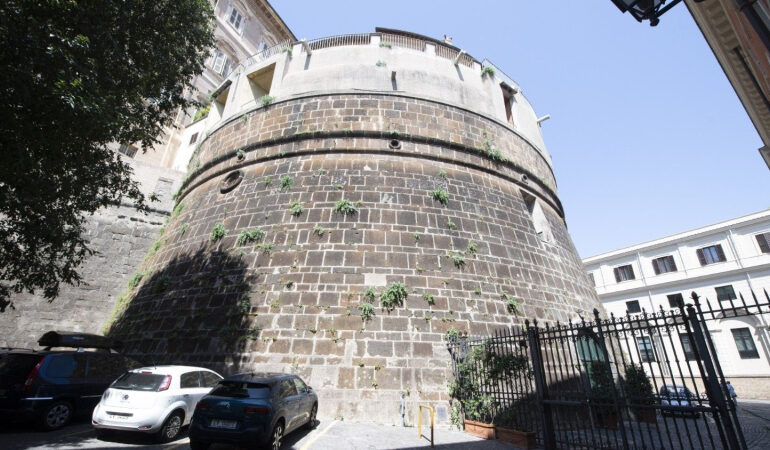

The Institute for Works of Religion has taken a significant step toward strengthening transparency by releasing its first Sustainability Report, outlining how the institution integrates environmental, social and governance principles within its financial operations. Alongside the report, the Vatican Bank also published its first disclosure aligned with the Basel III Pillar III standards, offering detailed information on capital adequacy, risk exposure and the systems used to evaluate and manage financial risks. These combined publications mark a noteworthy moment for Vatican financial governance, signaling a commitment to accountability consistent with international expectations for modern institutions. By presenting a framework that evaluates how ethical principles shape investment choices, the report underscores the Vatican Bank’s intention to operate transparently while aligning its mission with global sustainability priorities rooted in Catholic moral teaching. This development reflects ongoing efforts to reinforce confidence in the institution’s stewardship and to articulate a vision of finance grounded in responsibility rather than profit alone.
The report highlights the Bank’s adoption of a double materiality matrix inspired by the European Corporate Sustainability Reporting Directive, enabling it to identify topics most critical to both its mission and its external impact. The institution reported using GRI Standards to evaluate environmental responsibility, social equity and governance practices, reaffirming its dedication to Catholic ethics through rigorous screening of investment portfolios. According to the publication, all managed assets in 2024 complied fully with ethical guidelines, excluding involvement in industries harmful to human life or detrimental to social well being. Financial data included in the report shows a net income of thirty one million euros, with a total economic value of fifty million euros distributed among the pope, employees and suppliers, while a portion was retained to safeguard long term stability. Additionally, 157 million euros in value were created through asset management, illustrating the dual financial and social roles that define the institution’s service to the Universal Church. These outcomes support a model in which financial performance is understood as complementary to the pursuit of ethical integrity.
Attention was also given to the Bank’s efforts in education, compliance and ecological responsibility. Over two hundred clients, many from religious communities, participated in financial literacy programs, reflecting the institution’s focus on equipping Church entities with the skills required for responsible management. Internal training emphasized ethics, anti money laundering practices, operational continuity and sustainability, demonstrating a consistent approach to staff development. The report notes that Moneyval has issued positive assessments of the Bank’s strengthened systems for preventing corruption and illicit financial activity, and that it remains compliant with international tax standards. Its ecological initiatives included document digitization that reduced paper consumption by twenty percent and the use of energy sources that were nearly entirely renewable. Together, these measures showcase a concerted effort to embed environmental stewardship, ethical governance and operational transparency into the institution’s identity, offering an example of how Catholic financial entities can integrate mission driven values with contemporary accountability standards.