


Vatican Declares No Evidence of Jesus’ Apparitions on French Hill
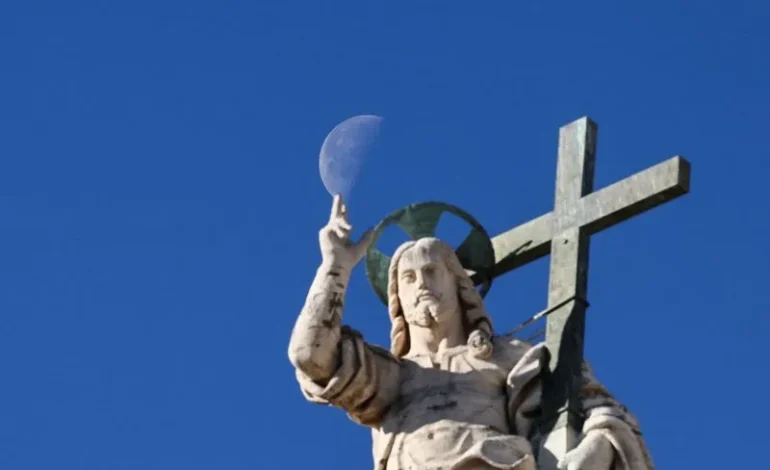

The Vatican has officially declared that the alleged appearances of Jesus reported in the 1970s in Dozulé, a small town in northern France, are not of supernatural origin. The ruling, issued by the Dicastery for the Doctrine of the Faith (DDF) and approved by Pope Leo XIV, puts an end to decades of speculation surrounding the claims that a local woman had seen visions of Christ and received messages calling for the construction of a massive illuminated cross.
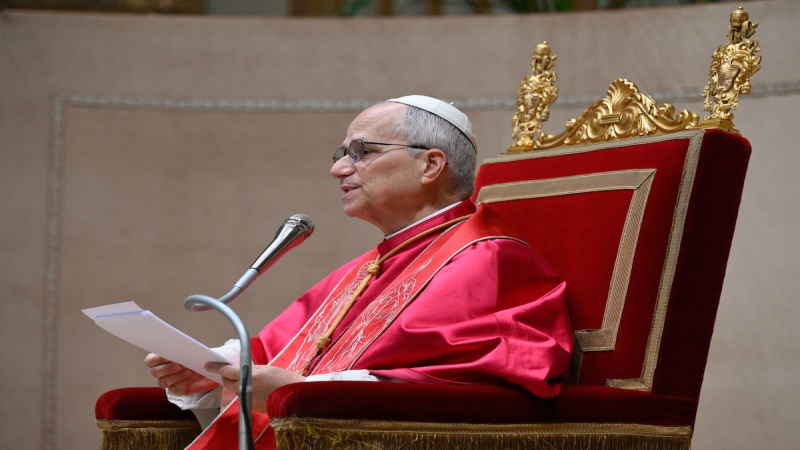
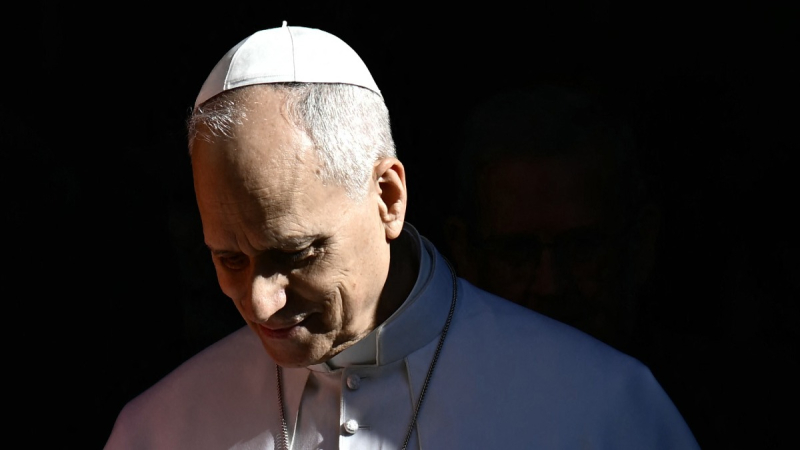
In a letter signed by Cardinal Víctor Manuel Fernández, Prefect of the DDF, the Church reaffirmed the earlier judgment of the Bishop of Bayeux-Lisieux, stating that “the phenomenon of the alleged apparitions said to have taken place in Dozulé is to be considered definitively as not supernatural in origin.” The document authorized Bishop Jacques Habert to publish a formal decree confirming the conclusion and outlining its implications for the local faithful.
The Dozulé case began between 1972 and 1978, when a French woman, Madeleine Aumont, claimed that Jesus had appeared to her 49 times on a hill near the town. She said He asked her to build what was to be called the “Glorious Cross,” a monumental structure 738 meters tall with arms measuring 123 meters. The cross, according to Aumont’s claims, would serve as a sign of universal salvation and forgiveness. While the cross was never built, the story gained international attention, leading to the creation of smaller replicas known as “Crosses of Love” in various countries.
However, Church authorities have long viewed the messages with skepticism. As early as 1983, then-Bishop Jean-Marie-Clément Badré warned that the activities surrounding the alleged visions — including unauthorized fundraising, self-appointed promoters, and extreme devotion to the supposed messages — were causing confusion among believers. He stated that there was “no evidence” that the events had any divine character. In 1985, he reaffirmed his position, saying the apparitions showed “no signs that would justify their authenticity.”
The recent Vatican decision reinforces those earlier assessments. The DDF highlighted several problematic theological claims contained in the messages, including the idea that the “Glorious Cross” would serve as a new means of salvation. Such teachings, the document said, contradict fundamental Christian doctrine, which teaches that redemption has already been fully accomplished through the death and resurrection of Christ.
“The Cross does not require 738 meters of steel or concrete to be recognized,” the Vatican letter stated. “It is raised every time a heart opens to forgiveness and every time hope is renewed where despair once reigned.”
The DDF also noted that some of the Dozulé messages predicted the imminent end of time and declared that the 1975 Holy Year would be the last in history — a prophecy disproved by subsequent jubilee celebrations, including those in 1983, 2000, 2016, and the upcoming 2025 Holy Year.
The Vatican cautioned that such apocalyptic messages often risk misleading the faithful and promoting false expectations about Christ’s Second Coming. The Church, the letter said, remains vigilant against any form of “millenarianism” or attempts to assign specific times or signs to the Lord’s return.
In closing, the DDF reminded Catholics that true devotion to the Cross is not about physical monuments but about conversion, compassion, and faith. “When Christians venerate the Cross,” the letter explained, “they do not adore a material object but the One who offered His life upon it.”
The statement urged the faithful to focus on the spiritual message of the Gospel rather than unverified private revelations. “Every act of love, forgiveness, and service becomes a living cross,” it concluded, “a sign of hope and redemption rooted in the sacrifice of Christ.”