
Vatican Diplomacy: How Rome Is Positioning Itself in Today’s Conflicted World
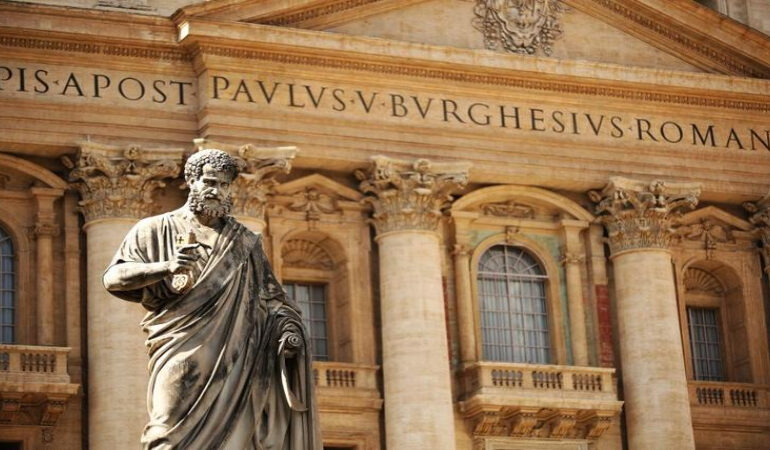

The global landscape of 2025 is shaped by persistent conflict, geopolitical tension, humanitarian displacement, and shifting alliances. In this environment, Vatican diplomacy continues to play a distinctive role rooted in moral dialogue, humanitarian concern, and steady engagement with governments and international institutions. Although the Holy See does not rely on economic or military influence, its diplomatic presence remains globally recognized for promoting peace, reconciliation, and protection of human dignity.
As conflicts continue impacting regions across the Middle East, Africa, Eastern Europe, and parts of Asia, the Vatican’s diplomatic work centers on supporting negotiation efforts, defending civilians, and advocating for peaceful solutions grounded in international law. These priorities reflect the ongoing tradition of Holy See diplomacy, strengthened in recent years by renewed commitments to peacebuilding and humanitarian cooperation.
Strengthening Rome’s Voice in Global Conflict Resolution
A major emphasis of Vatican diplomacy in 2025 is the consistent call for dialogue where armed conflict continues to threaten stability. The Holy See maintains diplomatic relations with more than 180 states and uses these channels to encourage negotiations, ceasefire agreements, and humanitarian access. Vatican representatives regularly participate in discussions at international forums, urging parties to seek political solutions rather than prolonged confrontation.
In areas affected by protracted violence, the Vatican frequently appeals for protection of civilians, safeguarding of religious communities, and respect for humanitarian corridors. These diplomatic messages often accompany direct engagement with regional leaders and humanitarian organizations. The Holy See’s nonpartisan posture allows it to communicate with parties that may otherwise remain unwilling to engage with one another.
Vatican diplomats also support peace efforts by collaborating with local bishops who often act as mediators in conflict zones. This combined diplomatic and pastoral approach has contributed to easing tensions in several regions and continues to shape the Church’s response to global instability.
Supporting Humanitarian Action Across High Risk Regions
Humanitarian diplomacy remains a defining characteristic of the Vatican’s international engagement. Through its diplomatic missions, the Holy See works to draw global attention to populations facing displacement, food insecurity, and threats to basic rights. Caritas Internationalis and other Catholic relief networks continue collaborating with Vatican representatives to coordinate humanitarian responses in crisis zones.
In 2025, particular attention has been directed toward regions experiencing severe displacement due to conflict or climate-related disasters. Vatican diplomats often advocate for increased international support, responsible migration policies, and long term solutions that prioritize human dignity. These efforts complement the Church’s on-the-ground humanitarian operations, which frequently provide vital assistance in remote or under-resourced areas.
Humanitarian diplomacy also extends to encouraging governments to uphold international obligations and to remove barriers that hinder relief efforts. This approach underscores Rome’s commitment to protecting vulnerable communities regardless of political considerations.
Advancing Interreligious and Cross Cultural Dialogue
Interreligious diplomacy continues to be an essential part of the Vatican’s global outreach. In 2025, the Holy See has expanded conversations with leaders from major world religions to promote mutual respect, reduce tensions, and address shared challenges such as violence, poverty, and environmental degradation.
These diplomatic dialogues aim to prevent the manipulation of religious identity in political conflict and to foster cooperation across cultural and spiritual traditions. The Vatican’s commitment to interfaith collaboration has supported peacebuilding initiatives in regions where religious tensions contribute to instability.
This dimension of diplomacy also helps address issues such as discrimination, protection of holy sites, and the rights of minority communities. By promoting respectful coexistence, the Vatican contributes to long term stability in regions where interreligious trust is essential for peace.
Engaging Ethical and Social Questions on the Global Stage
The Vatican’s diplomatic agenda is not limited to conflict mediation. It also includes addressing global social and ethical questions that influence political life. In 2025, Vatican representatives continue participating in discussions on environmental protection, digital ethics, and economic inequality. These topics shape international debates and affect millions of people, making the moral perspective of the Holy See an important contribution.
Environmental diplomacy remains a priority, especially as communities face increasing climate related risks. Vatican envoys work with international institutions to encourage policies that protect vulnerable populations and promote ecological responsibility.
Questions surrounding artificial intelligence, digital governance, and data ethics have also become part of the Vatican’s diplomatic outreach. By raising concerns about the impact of technology on human dignity, the Holy See encourages governments and institutions to consider ethical principles when developing digital frameworks.
Conclusion
Vatican diplomacy in 2025 reflects a commitment to peace, humanitarian protection, interreligious understanding, and ethical responsibility. Through dialogue, advocacy, and global engagement, Rome positions itself as a steady moral voice in a conflicted world. The Holy See’s diplomatic work continues shaping international conversations and offering pathways toward reconciliation and human dignity in regions where these values are most at risk.