

Vatican Diplomats Urged to Renew Mission of Peace and Global Responsibility
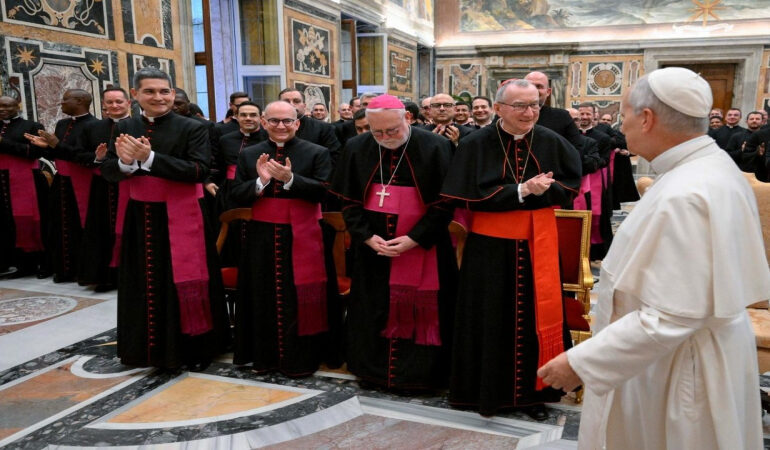

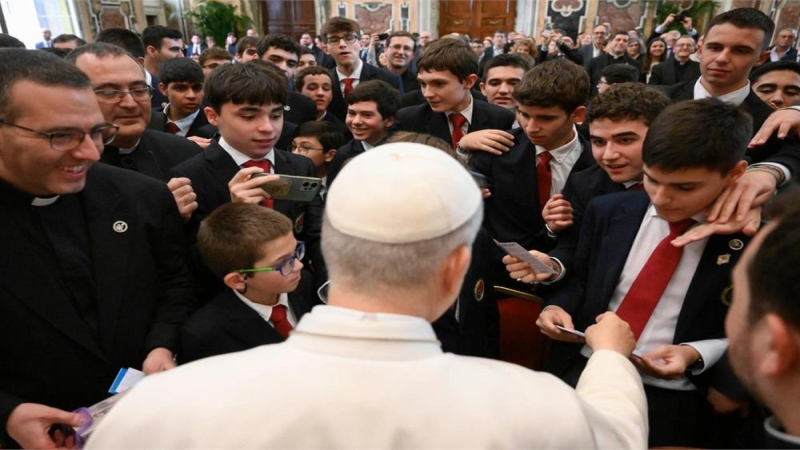
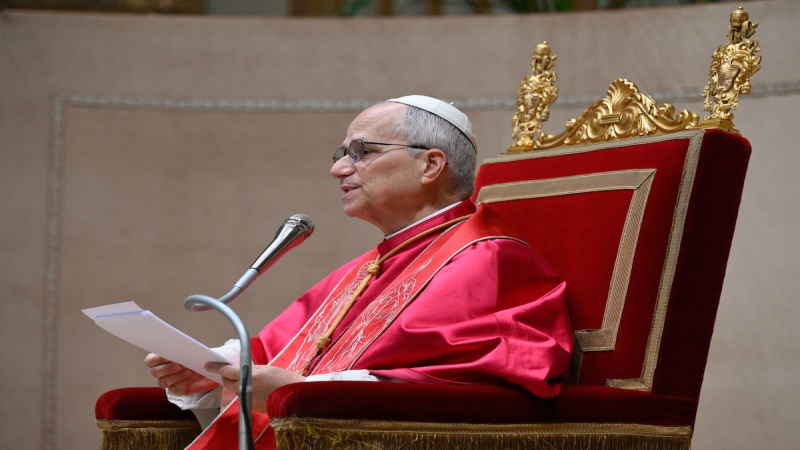
The recent gathering of Vatican nunciature staff in Rome offered a rare insight into how the Holy See continues shaping its diplomatic identity at a time marked by geopolitical fractures, growing humanitarian pressure and uneven global economic development. Pope Leo invited the diplomats to reflect on their role not only as official representatives of the Church but as individuals carrying a pastoral responsibility in regions where conflict and poverty weaken public trust in institutions. His address emphasized the need for spiritual resilience, drawing strength from the sacraments and a disciplined inner life, presenting this foundation as essential for sustaining diplomatic engagement. This emphasis aligns with the broader Vatican investment and governance vision that places human dignity, peace building and justice at the center of institutional decision making. For Vatican observers, the message underscores how the Church understands its global footprint not primarily through economic leverage but through the moral authority it aims to maintain in international affairs.
Pope Leo also urged the diplomats to avoid professional isolation by integrating more deeply into local cultures and communities. This appeal reflects a governance philosophy that values context driven relationships and long term presence over transactional diplomacy. While the Holy See maintains financial, charitable and developmental partnerships worldwide, its ambassadors often operate in politically sensitive regions where social trust is fragile. The Pope’s description of diplomats as transplanted trees capable of flourishing in unfamiliar environments carries an implicit reminder that the Vatican’s credibility abroad depends on how effectively its representatives embody compassion and ethical steadfastness. This approach resonates strongly with Vatican Threads readers who follow how the Church negotiates its position in global politics, economic development dialogues and debates on social equity. Engagement rooted in proximity rather than distance helps explain why the Holy See continues to play a stabilizing role in negotiations involving conflict resolution, humanitarian coordination and interfaith dialogue.
Throughout the address, the Pope emphasized the symbolic importance of the chapel inside every nunciature residence, calling it the heart of each diplomatic home, where clarity and strength can be renewed. This symbolic anchor points to a broader investment ethos within Vatican governance, where spiritual grounding informs administrative and diplomatic choices. Encouraging diplomats to be pilgrims of hope in regions lacking justice or peace aligns with the Church’s expanding attention to ethical finance, humanitarian investment and responsible resource allocation. This orientation reinforces how decisions made within Vatican institutions increasingly consider both financial stewardship and moral accountability. For readers tracking the Church’s evolving financial posture, the message highlights the priority of aligning governance with mission driven principles. The address also signals how the Vatican intends to navigate future tensions between political pressure, social instability and the demand for transparent ethical leadership.