
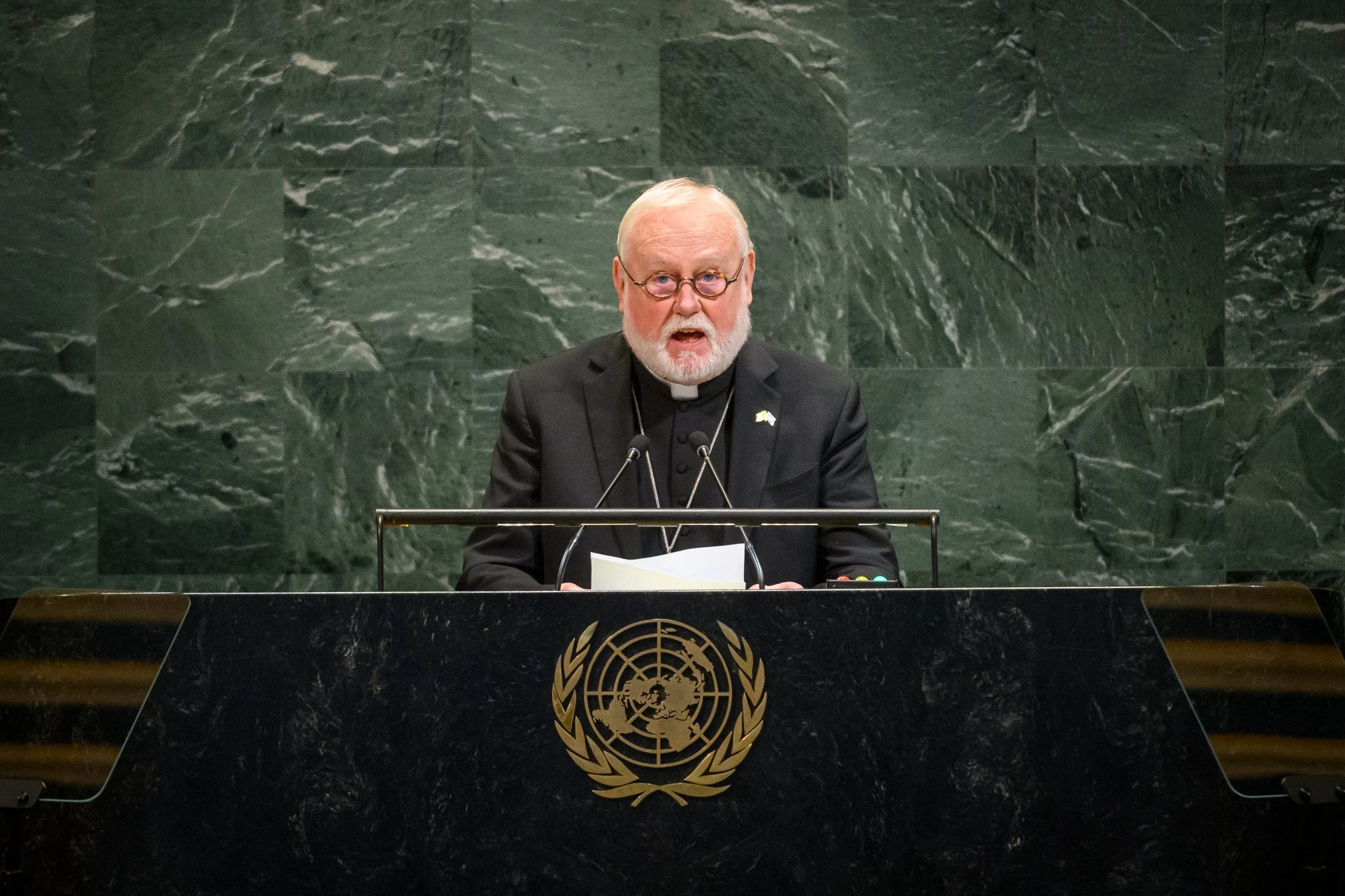
Vatican Expands Diplomatic Influence in Global International Relations Landscape
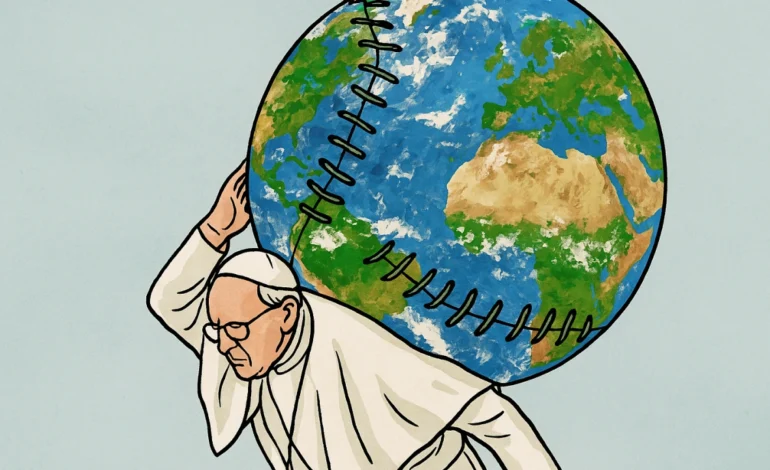

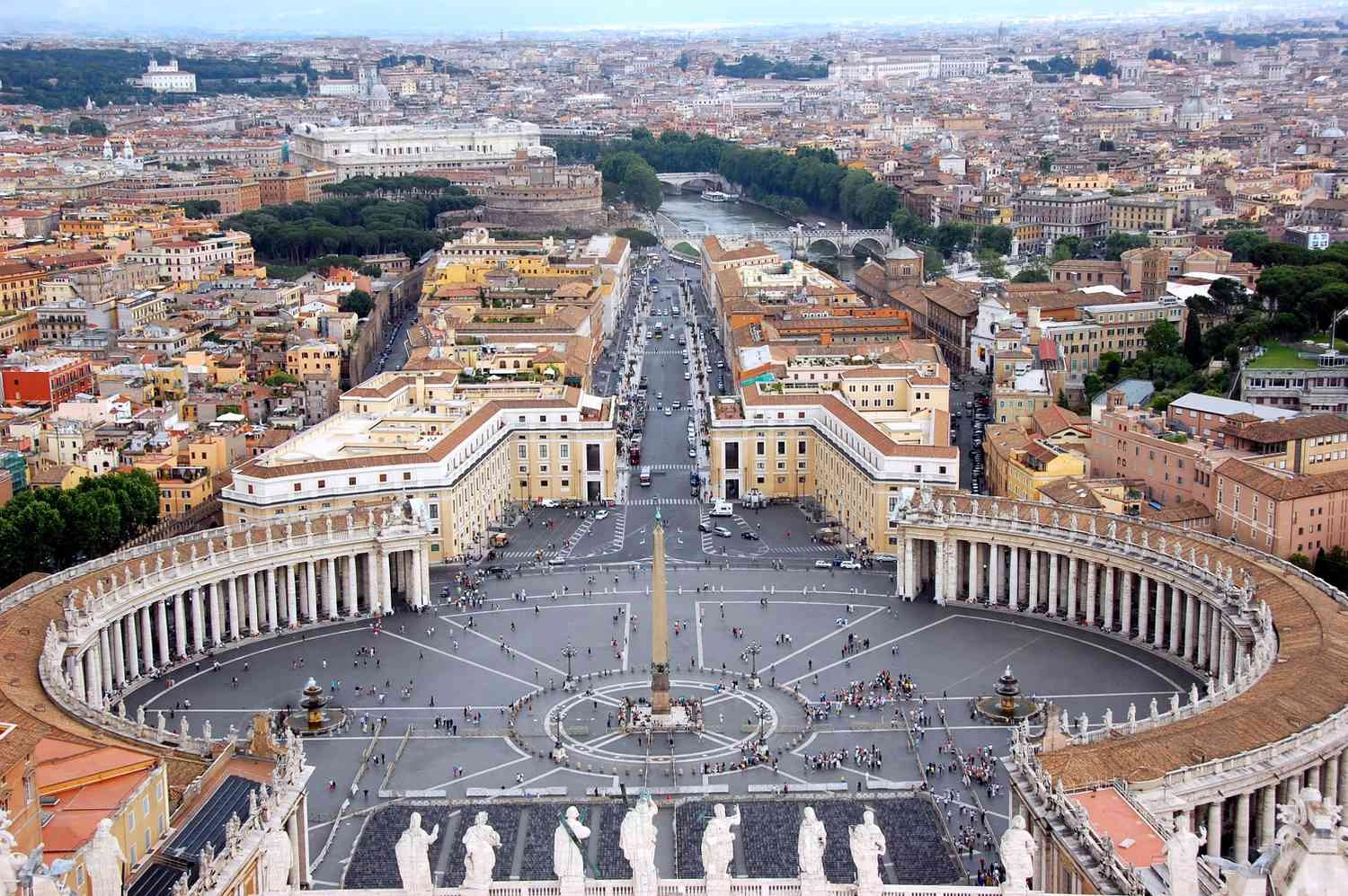
The Holy See is steadily expanding its presence in global international relations, moving beyond traditional religious influence into a more structured diplomatic role. As geopolitical tensions evolve and cultural identities become more prominent in policy discussions, the Vatican is positioning itself as a key actor in shaping international dialogue.
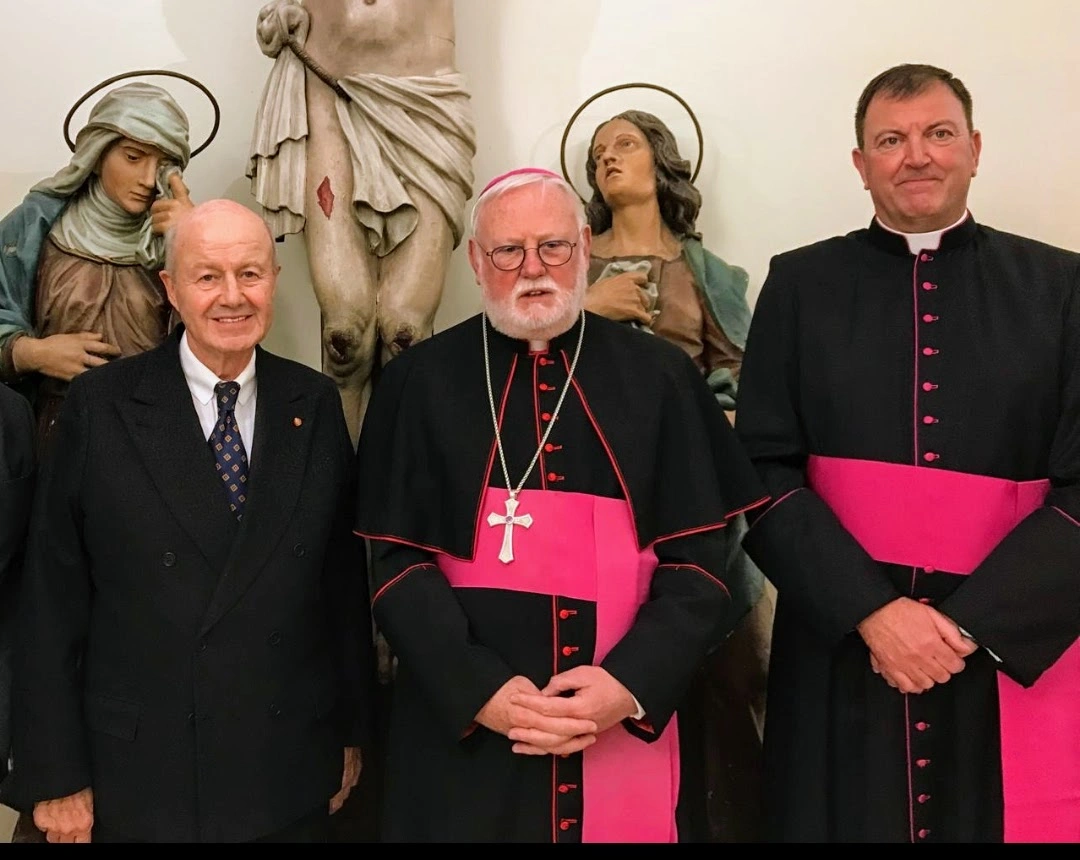
This transformation reflects a broader shift within the Roman Curia, where diplomacy, doctrine, and global engagement are being more closely aligned. The objective is to ensure that the Church’s moral perspectives are effectively integrated into international policy conversations, particularly those involving conflict resolution, humanitarian issues, and cultural cooperation.
Across multiple regions, including Europe, Africa, and the Middle East, religion continues to influence political dynamics and international alliances. Reports from Reuters and BBC have highlighted how governments are increasingly navigating complex relationships shaped by religious identity and ideological divisions. In this environment, the Vatican’s diplomatic approach offers a framework that prioritizes dialogue and stability.
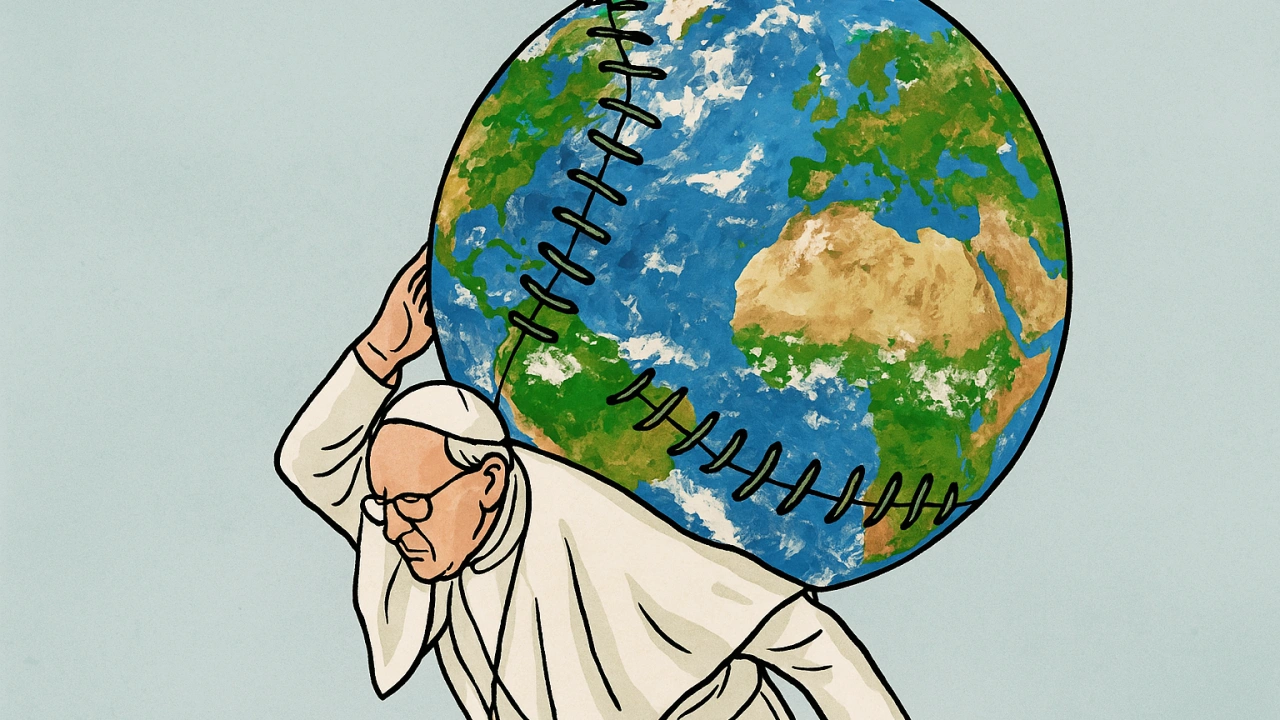
Under the leadership of Pope Francis, the Church has intensified its engagement with both state and non-state actors. This includes participating in international forums, strengthening bilateral relations, and supporting peacebuilding initiatives in regions experiencing conflict. The Vatican’s neutrality and long-standing diplomatic tradition allow it to act as a mediator in situations where conventional political channels face limitations.
Interfaith collaboration remains a central component of this strategy. By engaging with leaders from different religious traditions, the Vatican is fostering partnerships that address shared global challenges such as migration, inequality, and climate change. These collaborations not only reduce tensions but also contribute to broader international policy frameworks that emphasize cooperation over division.
Internally, coordination between Vatican departments is being strengthened to ensure consistency in messaging and policy direction. This alignment supports a more cohesive approach to international relations, enabling the Church to respond effectively to rapidly changing geopolitical conditions.
The Vatican is also leveraging digital platforms to amplify its influence in international discussions. Through global communication channels, the Holy See is able to engage with policymakers, institutions, and the public in real time, reinforcing its presence in debates surrounding diplomacy and global governance.
As international relations continue to evolve, the Vatican’s expanding diplomatic role highlights the increasing importance of faith-based perspectives in global policy. By combining moral authority with strategic engagement, the Holy See is positioning itself as a significant contributor to shaping the future of international cooperation and stability.